



A clear guide for English-speaking residents planning upgrades to a house, summer home or renovation project
Buying new doors and windows is rarely a purely decorative decision. These elements shape the appearance of a property, but they also influence heating needs, security, ventilation, daylight and daily comfort. In Denmark, they must additionally cope with changing temperatures, strong winds, frequent rain and long periods of damp weather.
For English-speaking homeowners, the process can be difficult at first. Danish product pages often contain building terminology that is unfamiliar, and measurements may be presented differently from what buyers know from their home country. The difference between the structural opening and the outer frame size is particularly important, while descriptions of door handing and opening direction can easily cause misunderstandings.
The first step is therefore not to choose a colour or compare prices. It is to understand the building and the purpose of the new element. A front door for a permanently heated home has different requirements from a utility door for an unheated shed. A large window facing west must be assessed differently from a small north-facing bedroom window. The right solution depends on where it will be installed, how frequently it will be used and what level of insulation and maintenance the owner expects.
Some homeowners need custom-made products that preserve the proportions of an older villa. Others can use stock-size PVC elements for a workshop, summer house or modern family home. Both approaches can be sensible when matched to the right project.
For buyers who prefer to research the options digitally, it is possible to buy doors and windows online in Denmark through specialist suppliers. Online purchasing can make price and product comparisons easier, but only when measurements, opening functions and product specifications are checked carefully before the order is confirmed.
Plan around the room, the façade and the Danish weather
A good window or door must work from both sides. From the outside, it should suit the building and resist the weather. From the inside, it should provide the right level of light, privacy, ventilation and access.
In a living room, a wide glazed door may create an attractive connection to the terrace. In a bedroom, the priorities may be ventilation, noise reduction and privacy. A utility room may need a robust entrance that tolerates frequent use, while a garage or workshop may benefit from a simple low-maintenance door with a small glass panel.
The direction of the façade is also important. South-facing glass receives significant sunlight and can help warm a home during colder periods. During summer, however, large panes may make the room uncomfortable unless external shading, suitable glazing or a roof overhang is used.
West-facing windows can create strong heat and glare in the afternoon and evening. This is particularly relevant in living rooms and kitchens, where the family may spend much of the day. North-facing windows receive less direct sunlight, which can make good insulation especially valuable.
The local weather exposure should not be overlooked. A sheltered entrance beneath a roof experiences less rain and sunlight than a door placed directly in an exposed façade. Coastal properties may be affected by salt, strong winds and wind-driven rain. Elements installed in such locations should have durable surfaces, suitable hardware and careful external sealing.
Architecture also matters. Traditional Danish brick houses often have carefully balanced window proportions. The width of the frames, the number of panes and the position of glazing bars all contribute to the appearance. Replacing narrow original windows with broad modern profiles can make the façade look heavier and reduce the amount of daylight.
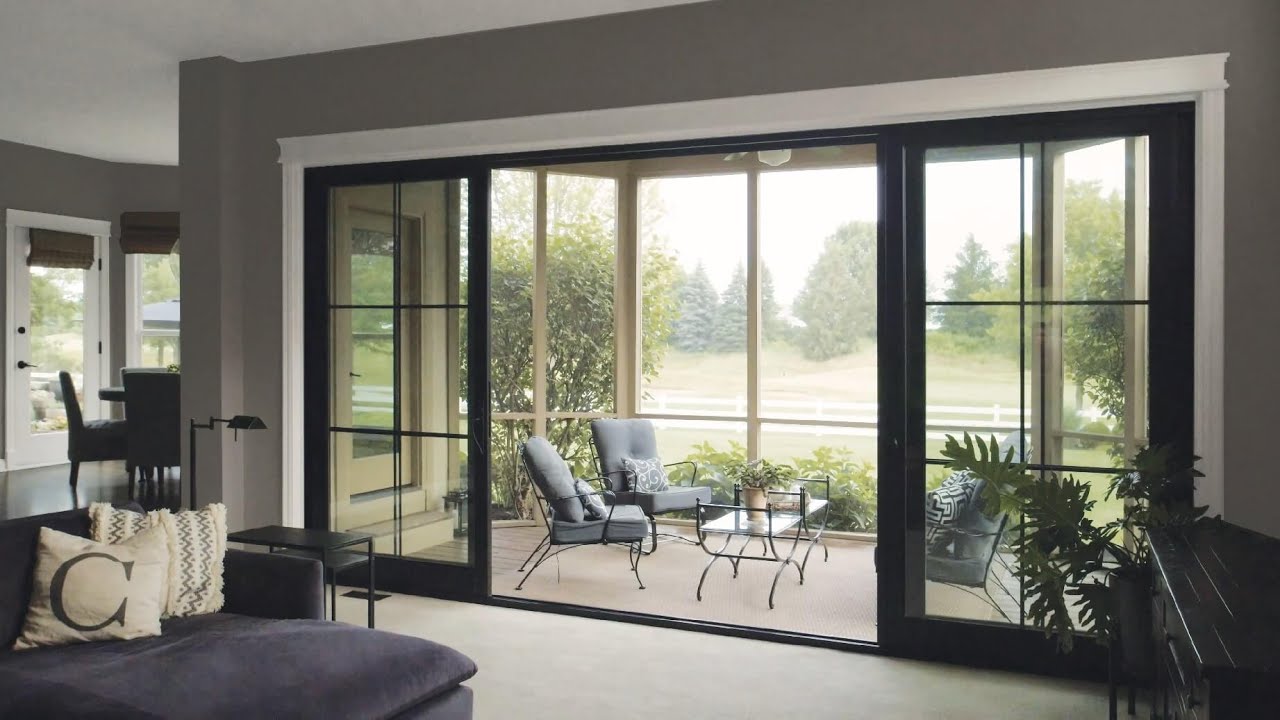
Modern homes generally allow more freedom. Large fixed windows, dark frames and broad patio openings may suit the simple lines of newer architecture. Even here, however, function should come before fashion. A full-height pane may look impressive on a drawing but create problems with privacy, furniture placement or summer heat once the home is occupied.
Before choosing a product, it is useful to consider:
- Whether the room is heated throughout the year
- How much direct sun reaches the façade
- Whether the window must provide ventilation
- How exposed the element is to rain and wind
- Whether the design should match existing frames and doors
A summer house deserves particular attention. Some holiday homes are used only during warm months, while others function almost like permanent residences. A simple double-glazed product may be appropriate in a seasonally used building, whereas year-round use may justify better insulation and more advanced sealing.
Outbuildings also vary. An unheated garden shed may need little more than daylight and basic weather protection. A workshop used throughout winter requires a more substantial solution. The correct specification should reflect actual use rather than the name of the building alone.
Selecting a frame material that suits the project
The choice of frame material affects appearance, maintenance and long-term cost. The four most common categories are timber, PVC, timber-aluminium and aluminium.
Timber remains closely connected with traditional homes. It has a natural appearance, can be repaired and allows future repainting in another colour. Good-quality wooden frames may last for decades when maintained correctly. Their main disadvantage is the need for regular inspection and surface treatment.
Painted timber is affected by rain, sunlight and temperature changes. Small cracks or worn areas should be repaired before water reaches the wood. Elements facing south and west often require more attention because they experience stronger sunlight and greater temperature variation.
Timber-aluminium offers a different balance. The inside is timber, while the external surface is protected by aluminium. This preserves the warmer interior appearance of wood while reducing exterior maintenance. The initial purchase price is often higher, but many homeowners value the reduced need for sanding and painting.
PVC, often described as uPVC in English-speaking markets, is popular because it requires little routine care. It does not absorb moisture in the same way as wood and does not need repainting. Cleaning usually involves water and a mild household detergent, combined with occasional checks of seals, hinges and drainage openings.
PVC frames commonly contain internal chambers that help with insulation and structural stability. Larger doors and windows may also include reinforcement. The material is widely used for fixed windows, tilt-and-turn windows, entrance doors, utility doors and patio doors.
One consideration is profile width. Some PVC systems have relatively broad frames, which can reduce the visible glass area. This may be unimportant in a large opening but more noticeable in a small window. Buyers should therefore compare the actual daylight opening rather than looking only at the external dimensions.
Aluminium is strong and suitable for slim profiles and large glass areas. It is commonly associated with contemporary architecture, extensions and sliding systems. Because metal conducts heat, residential aluminium products need an effective thermal break. This separates the internal and external parts of the profile and reduces unwanted heat transfer.
No material is automatically the best. The right choice depends on the property, the exposure and the owner’s priorities. Timber may be worth the maintenance in a historic-looking villa. PVC may be more practical for a holiday home or busy household. Timber-aluminium can offer a balanced solution where appearance and low exterior maintenance are equally important.
Long-term costs should be included in the decision. A lower purchase price may be attractive, but regular painting, repairs and replacement parts also cost money. At the same time, a maintenance-free claim should not be understood as meaning that no care is required. All doors and windows benefit from cleaning, adjustment and periodic inspection.
Hardware quality is another important factor. Hinges, locks and closing mechanisms experience daily wear. A window with a good frame can still become frustrating if the fittings are weak or difficult to adjust. It is useful to know whether replacement components will remain available and whether the manufacturer provides clear maintenance guidance.
Understanding glass, insulation and indoor comfort
The glass unit is one part of a larger construction. Its performance depends on the panes, coatings, gas-filled spaces and edge spacer, but the frame, seals and installation joint also affect the complete result.
U-value is used to indicate heat transfer. A lower figure generally means that less heat passes through the product. However, buyers should confirm whether the number applies to the glass alone or to the complete window or door. The glass may have a strong rating while the full element performs less effectively because of the frame and edge areas.
Modern double glazing consists of two panes separated by a sealed cavity. The space may contain an insulating gas, and one pane often has a low-emissivity coating that reflects heat back into the room. This is very different from old double glazing without modern coatings.
Triple glazing adds a third pane and another sealed cavity. It normally improves insulation and produces a warmer internal glass surface during winter. This can reduce the feeling of cold air movement close to the window and improve comfort around sofas, desks and dining areas.
Triple glazing is heavier and can reduce daylight and solar heat slightly compared with some double-glazed alternatives. It is often suitable for permanently heated homes, especially where large glass areas are used. Double glazing may still be appropriate in summer houses, outbuildings and situations where weight or narrow frame profiles are important.
Glazing can also solve specific problems. Laminated glass may improve safety and security because broken fragments remain attached to an internal layer. Toughened glass breaks into smaller pieces and is commonly used in doors and areas where accidental impact is possible.
Acoustic glazing can reduce unwanted noise, but the complete window must also be installed correctly. A special pane cannot compensate for gaps around the frame. Homes near busy roads, railway lines or commercial areas may benefit from a solution designed specifically for noise reduction.
Frosted, patterned or obscured glass provides privacy without eliminating daylight. It is often used in bathrooms, entrance doors and windows facing close neighbours. The level of visibility varies, so samples should be viewed where privacy is important.
Solar-control glass reduces the amount of heat entering through the pane. It may be valuable in rooms with large south- or west-facing windows, but it can also limit useful winter sunlight. External awnings, screens or shutters may provide more flexible control because they can be adjusted as the seasons change.
New doors and windows can make an older home much more airtight. This usually improves comfort and reduces uncontrolled heat loss, but it also changes ventilation. Moisture from showers, cooking, houseplants and drying clothes must still leave the building.
Regular airing remains important, particularly after renovation. Kitchen and bathroom extraction should function correctly, and air should be able to circulate around the windows. Large furniture placed directly against an external wall can create cold, poorly ventilated areas where condensation becomes more likely.
Condensation has different meanings depending on its location. Moisture on the inside of the glass often indicates high indoor humidity or a cold surface. Moisture between the panes usually means that the sealed glazing unit has failed. Temporary condensation on the outside can occur on well-insulated glass because very little indoor heat reaches the outer pane.
Take measurements carefully before placing an order
Measurement errors are among the most common and costly problems in window and door projects. Products may be manufactured precisely, but that does not help if the wrong dimensions were supplied.
Danish retailers often distinguish between hulmål and karmmål. Hulmål is the size of the opening in the wall. Karmmål is the external size of the frame. The frame must be smaller than the opening to allow space for positioning, fixing, insulation and sealing.
The exact allowance depends on the product and installation method. Buyers should therefore follow the supplier’s guidance rather than deducting an assumed amount. The safest approach is to measure the opening and confirm in writing which dimensions the supplier needs.
Measure the width at the top, centre and bottom. Measure the height on the left, in the middle and on the right. Older openings may be uneven, and the smallest measurement often determines the maximum possible frame size.
The wall construction also matters. Brickwork, timber framing and lightweight walls may require different fixing methods. During renovation, removing the old frame can reveal damaged mortar, moisture or uneven surfaces that need repair before the new element is installed.
Door handing must be confirmed with equal care. A door may open inward or outward, and the hinges can be placed on the left or right. Different countries and suppliers do not always describe this from the same viewpoint. A diagram with the hinge side, handle and direction of movement is far safer than relying on a verbal description.
The opening direction should fit the space. An inward-opening entrance door must not strike a cupboard, radiator or staircase. An outward-opening door needs clear external space and may be affected by wind. A utility door should support the natural movement between the home, driveway and garden.
Windows also require the correct opening function. Fixed glazing is economical and allows a large glass area, but it cannot ventilate the room. Side-hung and top-guided windows are familiar in many Danish homes, while tilt-and-turn models are particularly common in PVC systems.
Tilt-and-turn windows can tilt inward for ventilation or open fully for access and cleaning. This flexibility is useful, but the inward movement must be considered when placing curtains, lamps and furniture.
Threshold height should be assessed at doors. A low threshold improves access for children, prams, wheelchairs and people with limited mobility. It must still form part of a weather-resistant detail. A door placed in an exposed façade may benefit from a canopy, effective drainage and a correctly shaped external surface.
Large orders, unusual openings and structural changes justify professional measurement. When one company measures, supplies and installs the products, responsibility is usually clearer if something does not fit. Self-measurement may be suitable for simple standard openings, but it carries more risk.
Compare the complete offer rather than the advertised price
Door and window prices can be misleading when quotations include different components. One supplier may include glazing, handles, locks and delivery, while another shows only the basic frame.
A proper comparison should cover:
- Frame material and profile system
- Glass specification
- Opening function
- Included handles and locks
- Colour and surface finish
- Delivery cost
- Installation and sealing
- Removal of the existing element
Standard-size products are often cheaper and may be available quickly. They can be practical for workshops, garages, utility rooms and projects where the opening can be adapted. Custom-made products are usually more expensive but may be necessary to preserve the proportions of an older property.
Glass options can change the price considerably. Safety glass, acoustic glass, decorative panes and solar-control coatings may all add cost. Side panels, top lights and non-standard colours also increase the final amount.
Installation should be treated as part of the investment. A poorly fitted window may leak air or water even when the product itself is excellent. The frame must stand square, level and plumb, and it must be fixed securely without distortion.
The joint between frame and wall must be insulated and protected correctly. The exterior side needs to resist rain and wind, while the interior side should limit warm, moist indoor air from entering the joint. The solution must suit the wall construction and the exposure.
Large glazed doors can be extremely heavy. They may require specialist lifting equipment and several installers. Trying to handle them without proper support risks damage to the glass, frame and surrounding building.
DIY installation can work for smaller standard products when the person has relevant skills. The manufacturer’s instructions should be followed, and the warranty conditions should be checked. Incorrect fixing or sealing may affect both performance and warranty rights.
Online ordering has clear advantages. It allows customers to compare dimensions, models and prices at their own pace. It can also provide access to stock products with shorter delivery times. However, the convenience should not encourage rushed decisions.
A reliable supplier should provide clear dimensions, contact information and product specifications. For international buyers, the ability to ask questions in English can be particularly useful. Written confirmation of measurements, opening direction and intended application reduces the chance of misunderstanding.
A specialist company such as Online Døre og Vinduer can be relevant for customers searching for practical PVC products for homes, summer houses and outbuildings. Whatever supplier is chosen, buyers should read the sales terms and check the conditions for delivery, returns and warranty.
Custom-made building products may not have the same cancellation rights as ordinary standard goods. This makes it even more important to verify every detail before placing the order.
Customer reviews can offer additional insight into how a retailer handles delivery, support and complaints. The most useful information comes from repeated patterns across many reviews rather than one unusually positive or negative experience. Independent certification and clear company details can also contribute to confidence when making a larger online purchase.
A successful project begins before the products arrive
The quality of the final result depends heavily on preparation. Before delivery, the access route should be checked, especially for large patio doors and glazed panels. There must be enough space to unload and store the elements safely.
Doors and windows should normally be kept upright and protected from impact. They should not remain unprotected outdoors for longer than necessary. Installation materials, tools and lifting equipment should be ready before the old elements are removed.
The timing of the work matters. Removing several windows at once during wet or cold weather can leave the building exposed. A staged approach may be more practical, particularly in an occupied home.
After installation, every opening element should be tested. Doors and windows must move smoothly, seals should make even contact, and locks should engage without excessive force. The frame should not twist when the product is opened.
The surrounding joints and finishes should also be inspected. External seals must form a continuous barrier against the weather, and internal surfaces should be completed so that moisture cannot enter hidden gaps.
Small adjustments may be necessary after a period of use. Hinges and locking points can settle, especially on heavy doors. Adjustable hardware makes this easier and can extend the service life of the product.
Ongoing maintenance should follow the material. PVC surfaces need cleaning, drainage openings should remain clear, and moving fittings may require lubrication. Timber needs regular inspection and timely repair of worn paint. Aluminium surfaces should be cleaned, particularly in coastal areas where salt can accumulate.
A new product should not be judged only by how it looks immediately after installation. It should continue to open, close and seal correctly through seasonal temperature changes. Good preparation, installation and maintenance are what allow the original performance to last.
Creating a better fit for the home and everyday life
New doors and windows can make a property warmer, quieter and easier to maintain. They can also transform the way rooms feel by changing the amount of light, the view and the connection to outdoor areas.
The strongest projects begin with practical questions. What is the room used for? How much maintenance is acceptable? Does the façade receive strong sun or driving rain? Should the element provide ventilation, privacy or easy access?
Once these needs are clear, it becomes easier to compare materials and glass specifications. Timber, PVC, aluminium and timber-aluminium all have appropriate applications. Double and triple glazing should likewise be chosen according to the building rather than on the assumption that more glass is always better.
English-speaking customers in Denmark should pay particular attention to measurement terminology and opening direction. A small misunderstanding can turn a straightforward order into an expensive problem. Drawings and written confirmation are valuable whenever there is uncertainty.
The full budget should include far more than the advertised product. Delivery, locks, handles, installation, sealing and finishing can all affect the final cost. Comparing complete solutions provides a much more accurate picture than comparing basic product prices.
With careful planning, doors and windows can become a lasting improvement rather than simply a replacement. The best products are those that suit the building, support daily routines and continue to perform reliably through many years of Danish weather.
