



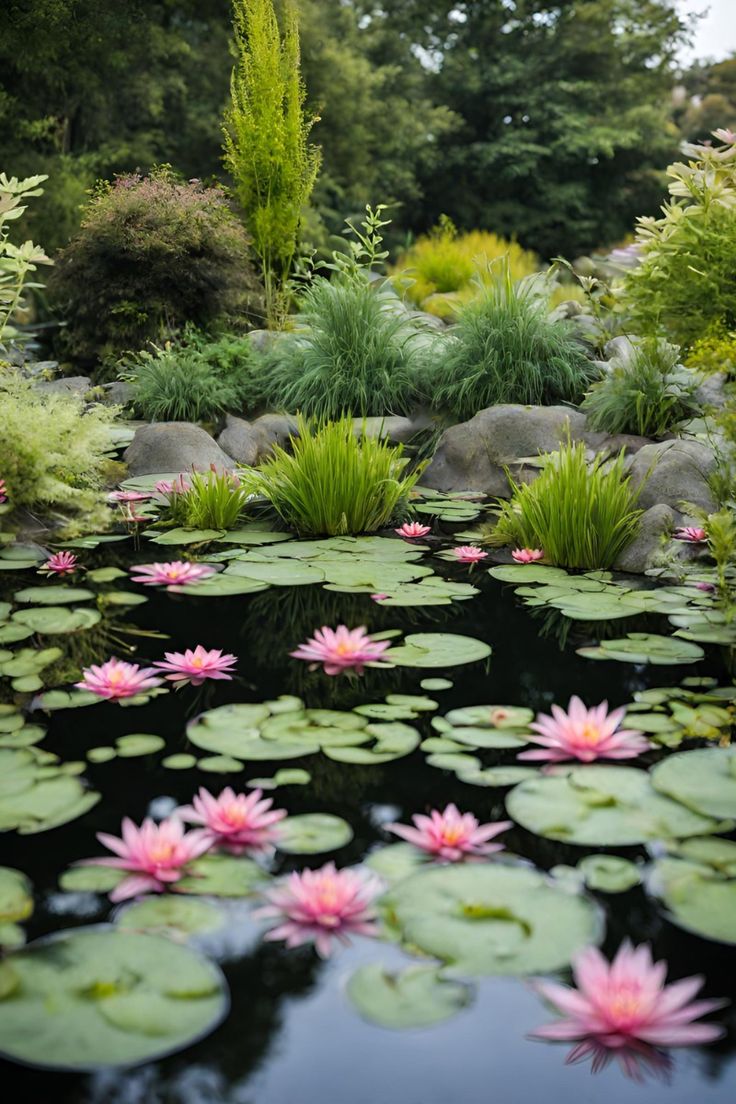
A well-designed pond can transform any garden into a peaceful natural retreat. The right selection of plants not only enhances the beauty of your water feature but also supports a balanced ecosystem by improving water quality, providing shelter for wildlife, and reducing algae growth. Choosing native and suitable species is essential for creating a thriving pond environment.
In this guide, we will explore 10 Must-Have British Pond Plants to Create a Healthy and Beautiful Water Garden that can help you build a stunning and sustainable aquatic space.
Why Choose British Pond Plants?
British pond plants are well adapted to the local climate and growing conditions. They can withstand seasonal changes, support native insects and wildlife, and contribute to a healthier pond ecosystem. From floating plants that provide shade to oxygenating plants that keep water clear, each variety plays an important role.
A carefully planned combination of plants will make your pond more attractive while maintaining a natural balance.
1. Water Lily (Nymphaea)
Water lilies are among the most popular pond plants in Britain. Their large, attractive flowers create a beautiful focal point, while their floating leaves provide shade for fish and help prevent excessive algae growth.
They thrive in sunny locations and are available in various colours, including white, pink, yellow, and red. A healthy water lily can quickly become the centrepiece of any garden pond.
2. Hornwort (Ceratophyllum demersum)
Hornwort is an excellent oxygenating plant that grows beneath the water’s surface. It helps maintain clear water by releasing oxygen and absorbing excess nutrients that encourage algae growth.
This low-maintenance plant is ideal for supporting fish and other pond wildlife.
3. Marsh Marigold (Caltha palustris)
Marsh marigold is a beautiful marginal plant that grows around the edges of ponds. Its bright yellow flowers appear in spring and attract pollinators such as bees.
It prefers damp soil and shallow water, making it perfect for creating a natural-looking pond border.
4. Water Forget-Me-Not (Myosotis scorpioides)
This charming native plant produces delicate blue flowers and provides excellent cover for small pond creatures. It grows well in shallow water and along wet margins.
Water forget-me-not is a wonderful choice for adding colour and supporting biodiversity.
5. Common Reed (Phragmites australis)
Common reed is a tall marginal plant that provides structure and shelter around ponds. It helps filter water naturally by absorbing nutrients and creating habitats for insects and birds.
However, it should be planted carefully because it can spread quickly in some conditions.
6. Frogbit (Hydrocharis morsus-ranae)
Frogbit is a floating plant with small white flowers and attractive round leaves. It creates shade on the water surface and offers protection for aquatic life.
This plant works especially well in wildlife ponds where a natural appearance is desired.
7. Yellow Flag Iris (Iris pseudacorus)
Yellow flag iris adds height, colour, and texture to pond edges. Its striking yellow flowers appear in late spring and early summer.
Besides being visually appealing, it helps improve pond conditions by absorbing excess nutrients from the water.
8. Water Mint (Mentha aquatica)
Water mint is a fragrant marginal plant that produces clusters of purple flowers. It attracts butterflies, bees, and other beneficial insects.
Its spreading habit makes it useful for filling pond edges and creating a more natural garden atmosphere.
9. Lesser Spearwort (Ranunculus flammula)
Lesser spearwort is a hardy British native plant that grows well in shallow water and wet areas. Its yellow flowers bring seasonal interest while providing additional habitat for wildlife.
It is a great choice for gardeners looking to create a pond that feels connected to the surrounding landscape.
10. Brooklime (Veronica beccabunga)
Brooklime is a fast-growing marginal plant with small blue flowers and rounded leaves. It thrives in streams, pond edges, and damp areas.
This attractive plant helps create a natural environment and provides shelter for insects and amphibians.
How to Arrange Pond Plants for the Best Results
Creating a balanced pond involves placing plants in different zones. Floating plants should cover part of the water surface, oxygenating plants should grow underwater, and marginal plants should be positioned around shallow edges.
Avoid overcrowding your pond, as too many plants can reduce water circulation and create maintenance problems. A mixture of different plant types will provide the best results.
Benefits of a Well-Planted Pond
A pond filled with suitable plants offers many advantages:
- Improves water clarity and quality
- Provides habitats for frogs, insects, and birds
- Creates natural shade for aquatic life
- Reduces algae growth
- Adds beauty and seasonal interest to your garden
By selecting the right combination of species, you can enjoy a healthier and more attractive outdoor space.
Final Thoughts
Planting the right species is the foundation of a successful pond. Whether you are creating a small backyard feature or a larger wildlife pond, choosing native varieties can make a significant difference.
The 10 Must-Have British Pond Plants to Create a Healthy and Beautiful Water Garden listed above provide a perfect balance of beauty, practicality, and ecological benefits. With thoughtful planning and regular care, your pond can become a vibrant home for plants and wildlife throughout the year.
