



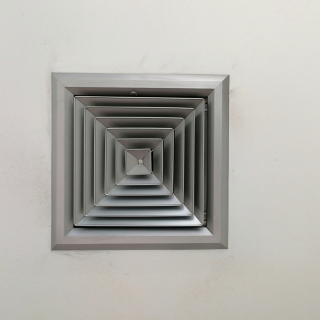
Maintaining optimal indoor air quality across a modern home requires thorough attention to every component of your ventilation network. Over time, central heating and cooling systems accumulate dust, pollen, pet dander, and microscopic debris throughout hidden pathways behind walls and ceilings. When homeowners invest in professional vent cleaning, they receive a comprehensive sanitation process that addresses supply vents, return lines, air handlers, and exhaust points across the entire residence. Understanding what a full service entails helps property owners protect household health, maximize energy efficiency, and prolong the lifespan of vital HVAC equipment.
Understanding Whole-Home Ventilation Systems
A complete home ventilation system consists of several interconnected components that move air in a continuous loop. Air is pulled from living areas through return vents, filtered and conditioned at the central unit, and then distributed back through supply duct channels into individual rooms.
Key Components Addressed During Cleaning
- Supply and Return Vents: Ceiling, wall, and floor grilles that deliver conditioned air or pull stale air back into ductwork.
- Main Trunk Lines: Large rectangular or round ducts connected directly to the furnace or air handler unit.
- Branch Vents: Smaller cylindrical pipes that route air from main trunk lines to individual room registers.
- Blower Assembly and Coils: Internal HVAC components responsible for moving air and regulating indoor temperature.
- Exhaust Ducts: Specialized lines like dryer vents and bathroom exhaust fans that vent moisture and air outdoors.
If any single section remains dirty during a service appointment, circulating air will quickly redistribute leftover dust back across freshly cleaned areas.
Why Professional Vent Cleaning Matters for Your Household
Neglecting hidden ventilation pathways leads to dirty air registers, rising monthly energy bills, and unnecessary mechanical stress on central climate control units.
Health and Comfort Benefits
Over time, heavy layers of particulate matter collect inside system lines, providing a breeding ground for mold spores, dust mites, and bacteria. Every time your system turns on, these fine particles recirculate into bedrooms and living spaces.
Key Takeaway: Comprehensive ventilation care cleans every air channel in your home simultaneously. This complete approach eliminates indoor allergen reservoirs and ensures clean air circulates throughout every room.
Comprehensive Coverage Included in Whole-Home Care
A complete service package targets all ventilation pathways across your property rather than focusing solely on visible floor or ceiling grilles.
| System Component | Service Procedure | Primary Household Benefit |
| Supply Vents and Registers | Dislodges caked-on dust using high-powered rotary brushes and air whips. | Eliminates visible dust plumes and improves room air circulation. |
| Return Duct Lines | Removes heavy dander, fur, and settled particulate matter using negative air pressure. | Restores system airflow velocity and cuts blower motor strain. |
| Air Handler & Blower Motor | Cleans fan blades and internal housing components to remove grime buildup. | Prevents mechanical overheating and extends equipment operational life. |
| Evaporator & Condenser Coils | Gently removes dust layers from heat transfer fins and drain pans. | Boosts thermal transfer efficiency, lowering monthly energy costs. |
| Dryer Exhaust Lines | Extracts compacted lint deposits from laundry room exhaust ducting. | Eliminates dangerous lint fire hazards and reduces clothing drying times. |
The Step-by-Step Professional Cleaning Workflow
Certified technicians follow a structured, multi-stage protocol to ensure every duct line and internal component is completely sanitized without contaminating living spaces.
- Complete Diagnostic Inspection: Technicians examine duct layouts using digital inspection cameras to identify heavy buildup, air leaks, or structural disconnects.
- Containment and Floor Protection: Workers cover flooring with drop cloths and seal off individual room registers to maximize vacuum suction power.
- Negative Pressure Vacuum Hookup: Industrial-grade negative air machines attach directly to main supply and return trunks, pulling air inward toward HEPA filtration tanks.
- Mechanical Agitation and Brushing: High-speed rotary brushes and pneumatic whip tools dislodge stubborn dust clinging to interior duct walls.
- Sanitization and Final System Check: An eco-friendly antimicrobial spray is applied when needed to neutralize odors, followed by a final airflow verification check.
Common Signs Your Whole-Home Vents Need Service
Recognizing early warning signs allows property owners to schedule maintenance before indoor air quality degrades significantly or system efficiency drops.
Top Symptoms of Contaminated Ductwork
- Rapid Dust Accumulation: A noticeable layer of fine dust settling on tables and countertops shortly after cleaning.
- Musty or Burning Odors: Earthy or stale smells circulating through rooms whenever heating or cooling units turn on.
- Uneven Room Temperatures: Certain rooms feeling noticeably warmer or cooler due to airflow obstructions inside branch lines.
- Unexplained Health Symptoms: Frequent sneezing, coughing, or nasal congestion that worsens while spending time indoors.
Addressing these warning signs promptly restores balanced airflow and prevents delicate HVAC components from suffering premature mechanical failure.
Simple Habits to Preserve Clean Vents Year-Round
While professional servicing provides deep cleansing every three to five years, simple daily maintenance habits help preserve fresh indoor air quality between appointments.
- Replace Air Filters Consistently: Swap out furnace filters every 30 to 90 days depending on pet ownership and household size.
- Keep Air Registers Unobstructed: Ensure heavy drapes, large rugs, and furniture do not block supply or return grilles.
- Control Indoor Moisture Levels: Use dehumidifiers during hot summer months to keep moisture from collecting inside dark duct channels.
- Maintain Clean Living Spaces: Vacuum carpets and sweep hard surfaces twice weekly with HEPA-rated vacuums to reduce airborne dust load.
Invest in Healthier Indoor Air for Your Home
Your living space should serve as a safe sanctuary where clean, fresh air is always guaranteed. Investing in thorough, professional ventilation care protects your family from hidden airborne irritants while optimizing system efficiency and lowering energy consumption.
Rely on experienced local specialists who bring advanced equipment, technical expertise, and dedicated customer care to every project. Schedule your whole-home system evaluation today to enjoy fresh, clean air throughout your entire residence.
