



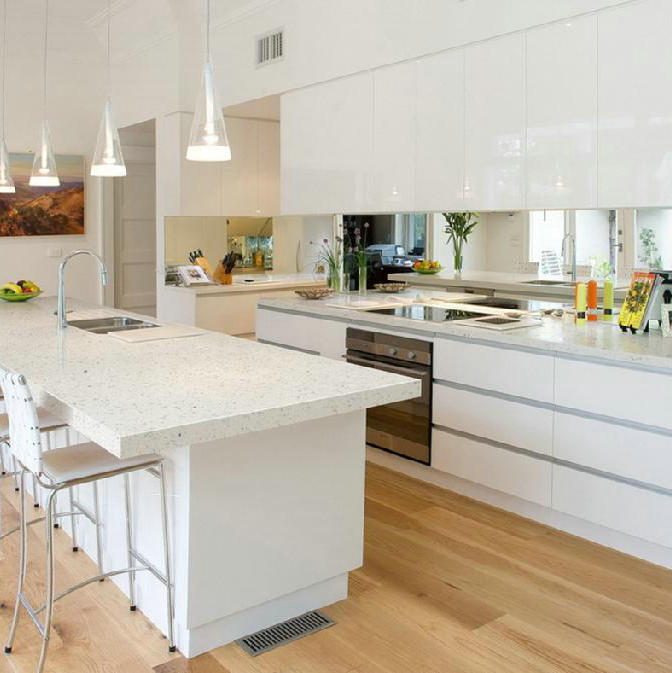
Designing a countertop involves more than choosing a color or finish. Material dimensions can influence fabrication, installation, visual continuity, and how efficiently a surface works within a space. Wide sheet solid surface countertops offer an option worth considering for projects where larger surface coverage, flexible fabrication, and a streamlined appearance are important.
Unlike conventional countertop materials that may require extensive seams or depend on fixed slab dimensions, wide sheet solid surface materials can provide greater flexibility during the planning stage. Hyundai L&C offers solid surface solutions that can help homeowners, designers, contractors, and commercial developers evaluate sheet dimensions and material options for specific project requirements. Understanding how sheet width affects a project can lead to more informed decisions about layout, fabrication, and installation.
Exploring Flexible Options for Larger Surfaces
Wide sheet solid surface countertops are manufactured sheets of acrylic solid surface designed with increased width for specific applications. The additional width can provide greater coverage across countertops, wall surfaces, islands, vanities, and other installations.
Hanex Solid Surface, for example, offers wide sheet capabilities in select colors, including options available in 60-inch widths. According to Hyundai L&C, these wider sheets can support more efficient installation and potentially reduce material waste compared with standard-width sheets.
The practical advantage becomes particularly noticeable when a project includes large islands, expansive counters, or applications where minimizing visible seams is a priority.
Why Sheet Width Matters in Countertop Design
Sheet dimensions can influence countertop planning, fabrication, and installation, particularly for larger or custom surfaces.
- Greater design flexibility
- Fewer fabrication constraints
- Potentially less material waste
- Cleaner visual continuity
- Broader application potential
Wide Sheet Acrylic Solid Surface for Large Applications
Acrylic solid surface offers fabrication flexibility for residential and commercial projects, making it suitable for applications beyond standard countertops.
Kitchen Islands and Large Countertops
Wide sheets can simplify planning for oversized islands while supporting a cohesive look. Custom edges, curves, and integrated features also allow greater design flexibility.
Bathroom Vanities and Wall Applications
Wide sheets can accommodate larger vanities and wall applications. Their nonporous surface also supports practical use in moisture-prone spaces.
Commercial Counters and Reception Areas
Solid surface can be customized for reception desks, hospitality counters, healthcare spaces, retail fixtures, and other high-use environments where appearance and functionality matter.
Seamless Solid Surface Countertop Design
One reason solid surface remains relevant to contemporary design is its ability to create a visually continuous installation. Proper fabrication can produce inconspicuous seams, helping larger surfaces maintain a cleaner appearance.
For large countertops, seam planning should happen before fabrication begins. The location of appliances, sinks, corners, support structures, and other design elements can all influence how seams are positioned.
A professional fabricator can evaluate:
- Overall countertop dimensions
- Sheet availability and width
- Seam locations
- Sink and appliance cutouts
- Edge profiles
- Support requirements
- Installation access
This planning process is particularly important for wide countertop surfaces because larger dimensions can introduce additional fabrication and handling considerations.
Choosing the Right Wide Sheet Solid Surface Material
Not every wide sheet application has identical requirements. Material selection should account for how the countertop will be used, where it will be installed, and what design characteristics matter most.
Consider these factors before ordering:
- Project dimensions
Measure the intended surface carefully and account for overhangs, cutouts, backsplashes, and other fabrication details.
- Color availability
Wide sheet options may not be available across an entire product collection. Confirm which colors and patterns are offered in the required sheet width before finalizing a design.
- Application requirements
A residential kitchen may have different performance considerations from a healthcare counter, restaurant workstation, retail fixture, or reception desk.
- Fabrication capabilities
Discuss the design with a qualified fabricator before committing to a complex configuration. Fabrication techniques can influence what is practical for the available material.
- Maintenance expectations
Solid surface is designed for relatively straightforward routine care. Hanex care guidance recommends regular cleaning with water and mild cleaning products while advising against direct cutting and placing hot cookware directly on the surface.
Wide Countertop Sheets and Material Efficiency
Material efficiency is another consideration when evaluating wider sheets. A countertop layout can generate offcuts when standard dimensions do not align efficiently with the required design.
Wider sheets may help fabricators plan certain projects with greater coverage from each sheet. Hyundai L&C specifically notes that its wide sheet capabilities can support more efficient installation and less waste than standard-width sheets in applicable projects.
However, waste reduction should never be evaluated from sheet width alone. The final result depends on project dimensions, fabrication patterns, cutouts, seams, and the specific color and sheet size selected.
Design Flexibility Beyond the Countertop
The value of solid surface extends beyond the horizontal countertop. Acrylic solid surface can be fabricated for backsplashes, wall applications, vanities, sinks, furniture elements, partitions, and other customized features.
This creates opportunities to coordinate several surfaces within the same project. A consistent material palette can help connect countertops with surrounding architectural details without requiring multiple unrelated materials.
Solid surface can also be thermoformed into customized shapes, expanding possibilities for curved or unconventional designs.
Key Steps for Planning a Wide Sheet Countertop
A successful installation starts well before fabrication. Early planning can help identify material limitations and prevent costly design changes later.
Start With the Layout
Determine the exact dimensions and intended use of each surface. Large islands, commercial counters, and irregular layouts should receive particular attention.
Confirm Sheet Availability
Check whether the preferred color is available in the required width. Some wide sheet options require custom orders and minimum quantities, making early confirmation important.
Review Fabrication Details
Discuss seams, cutouts, edges, backsplashes, sinks, and other details with the fabricator. A detailed fabrication plan can reveal opportunities to improve both appearance and material efficiency.
Evaluate Samples
Color and texture can appear different depending on lighting, surrounding materials, and the scale of the installation. Reviewing a physical sample can provide a more reliable basis for final selection.
A Practical Approach to Surface Selection
The best countertop decision starts with the requirements of the project rather than with appearance alone. Sheet dimensions, fabrication flexibility, maintenance, durability, application, color availability, and installation conditions all deserve consideration.
For projects requiring broader surface coverage, wide sheet solid surface countertops can offer a useful combination of design flexibility and fabrication efficiency. The wider format may be especially relevant for large islands, expansive commercial counters, vanities, and other applications where sheet dimensions influence the final design.
For product information, colors, wide sheet capabilities, and project resources, explore Hyundai L&C and its Hanex Solid Surface collection.
