



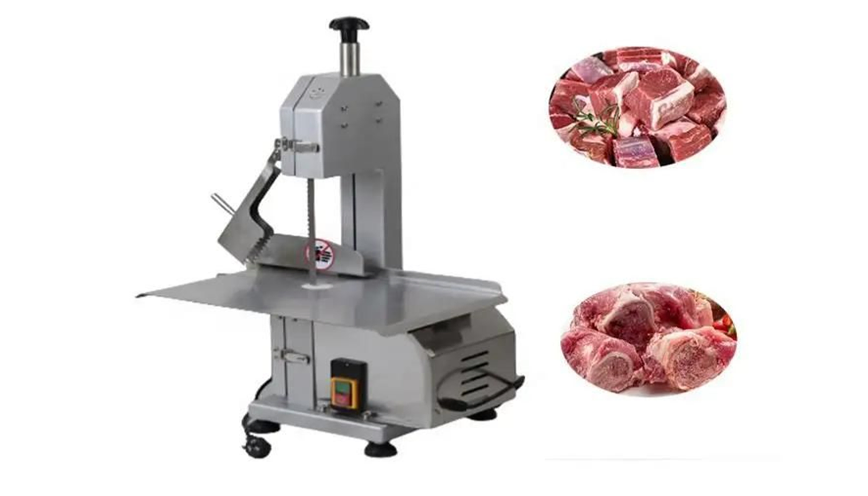
With more home cooks and small F&B businesses upgrading their kitchens, demand for efficient appliances is on the rise. Yet, many still wonder, if you buy a food processor, do you really need a meat cutter too? This guide breaks down the functions, benefits, and limitations of both tools to help you make a smart and practical choice.
What a Food Processor Can Do
A food processor is a versatile appliance designed to handle a wide range of tasks from chopping and slicing to shredding, pureeing, and grinding. Some models even include attachments that can perform light meat mincing. It’s ideal for multitasking, saving time, and reducing manual labour, all while keeping your kitchen compact and efficient. However, while food processors are great for general prep, they aren’t built for thick cuts, precision slicing, or handling frozen meats effectively.
What a Meat Cutter Is Designed For
A meat cutter (also known as a meat slicer) is built specifically for the precise slicing of raw or cooked meats. It can handle frozen or semi-frozen meat and is perfect for high-volume slicing in restaurants or delis. Whether it’s hotpot slices, deli meats, or uniform steaks, a meat cutter ensures consistent thickness and presentation. However, it’s generally larger, requires more maintenance, and serves a single purpose compared to a multifunctional food processor.
Direct Comparison: Meat Cutter vs Food Processor
| Feature | Food Processor | Meat Cutter |
| Best For | General food preparation | Precision meat slicing |
| Output | Mixed or minced textures | Uniform, even slices |
| Frequency of Use | Daily meal prep | Bulk or specialised slicing |
| Storage & Cleaning | Compact and easy to clean | Larger and requires more maintenance |
Both appliances have distinct strengths. A food processor excels in everyday versatility, while a meat cutter delivers precision and consistency for meat-heavy or commercial cooking.
When You Only Need a Food Processor
A food processor is often enough if you cook for a small household or only slice meat occasionally. It’s suitable for preparing Western and Asian dishes that don’t require ultra-thin or uniform meat cuts. Compact, affordable, and easy to maintain, it’s the go-to choice for those with limited kitchen space or budget who still want to save time in meal prep.
When a Meat Cutter Is Worth Buying
Investing in a meat cutter makes sense if you frequently cook in bulk or run an F&B business. It’s perfect for cafés, catering services, and restaurants where consistency matters, such as slicing meat for hotpot, sukiyaki, BBQ, jerky, or deli-style meals. For anyone focused on presentation and precision, a meat cutter quickly pays off in quality and speed.
Cost, Space & Maintenance Considerations
When it comes to practicality, food processors are generally more affordable, easier to store, and simpler to clean. A meat cutter, however, requires more counter space, careful handling, and regular blade maintenance. Your purchase should reflect how often you cook, the type of dishes you prepare, and how much room your kitchen allows.
Choosing What Truly Fits Your Kitchen
Owning both isn’t necessary unless your cooking habits demand it. A food processor is the all-rounder for daily meal prep, while a meat cutter is best for precision slicing and bulk preparation.
Assessing your cooking style and needs before investing in the right tool can save time, enhance efficiency, and elevate your food quality.
