


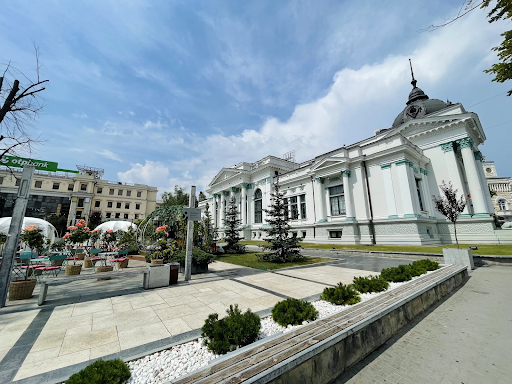
Nestled between Romania and Ukraine, Moldova remains one of Europe’s least explored destinations, offering intrepid travelers an authentic experience unmarred by mass tourism. While its neighbors attract millions of visitors annually, this small landlocked nation quietly preserves centuries-old traditions, world-class wine culture, and breathtaking landscapes waiting to be discovered. Tourism in Moldova is experiencing a renaissance as discerning travelers seek genuine cultural encounters beyond the conventional European circuit.
The Current State of Tourism in Moldova
Tourism in Moldova has undergone significant transformation over the past decade. Once overlooked entirely by international travel itineraries, the country now welcomes an increasing number of visitors drawn by its unique offerings. The Moldovan government has invested considerably in tourism infrastructure, improving road networks, establishing visitor centers, and training hospitality professionals to meet international standards.
Despite these improvements, Moldova maintains its authentic character precisely because it hasn’t been overwhelmed by tourist crowds. This creates an exceptional opportunity for travelers to experience a European destination as it truly exists, not as a staged performance for visitors. Hotels in Chisinau, the capital city, now meet Western expectations while rural guesthouses provide immersive cultural experiences. English proficiency is improving among tourism professionals, though the country retains its distinctly Eastern European atmosphere where Romanian and Russian languages dominate daily life.
The diversity of visitors has expanded beyond regional tourists from neighboring countries to include wine enthusiasts from Western Europe, adventure seekers from Asia, and cultural explorers from North America. This international interest has encouraged local communities to develop tourism offerings that showcase Moldova’s distinctive heritage while maintaining sustainable practices that protect the very authenticity visitors seek.
Wine Tourism: Moldova’s International Draw
Wine tourism represents Moldova’s most developed and internationally recognized sector. The country ranks among the world’s top wine producers per capita, with viticulture woven into the national identity for over 5,000 years. This deep-rooted wine culture manifests in extraordinary underground wine cities that stand unparalleled globally.
Cricova, located just outside Chisinau, houses an underground wine complex spanning 120 kilometers through limestone mines converted into the world’s second-largest wine cellar. Visitors descend into this subterranean realm where streets bear names like Cabernet Boulevard and Sauvignon Street, with traffic signs guiding electric vehicles through tunnels lined with millions of bottles. The experience combines industrial marvel with oenological excellence, as tastings reveal Moldova’s capacity to produce wines competing favorably with established European regions at a fraction of the price.
Milestii Mici holds the Guinness World Record for the largest wine collection, with nearly two million bottles aging in 200 kilometers of underground galleries. Beyond these famous cellars, Moldova’s wine routes connect visitors with family-owned wineries across regions like Codru, Stefan Voda, and Valul lui Traian. These boutique producers increasingly embrace wine tourism, offering tastings paired with traditional Moldovan cuisine, vineyard tours, and harvest experiences that provide intimate insights into winemaking traditions passed through generations.
The annual National Wine Day celebration transforms Chisinau into a massive outdoor festival where dozens of wineries showcase their products, folk musicians perform traditional melodies, and traditional foods complement wine tastings. This October event exemplifies how tourism in Moldova intertwines authentic cultural celebration with visitor experiences, creating memorable encounters that transcend typical tourist activities.
Cultural and Historical Attractions
Moldova’s cultural landscape reveals layers of history from ancient civilizations through medieval kingdoms to Soviet occupation. Orheiul Vechi, arguably Moldova’s most spectacular site, combines archaeological significance with active spiritual life. This clifftop monastery complex overlooks dramatic bends in the Raut River, where monks continue centuries-old traditions in caves carved into limestone formations. Archaeological evidence reveals continuous habitation spanning 2,000 years, from Dacian settlements through Mongol invasions to present-day Orthodox monasticism.
Chisinau itself tells Moldova’s complex history through architecture ranging from Soviet-era apartment blocks to elegant 19th-century buildings surviving World War II bombardment. The city center features expansive parks, Orthodox cathedrals with gleaming golden domes, and museums documenting national heritage. The National Museum of History provides comprehensive context for understanding Moldova’s position at the crossroads of empires, while the National Museum of Ethnography and Natural History showcases traditional village life and natural biodiversity.
Soroca Fortress, a well-preserved medieval stronghold on the Dniester River, exemplifies military architecture from the age when Moldovan princes defended against Ottoman expansion. The circular fortress with its five towers offers panoramic views while educating visitors about medieval defensive strategies and life during constant military threats.
Transnistria presents perhaps tourism in Moldova’s most unusual attraction. This unrecognized breakaway region maintains Soviet-era aesthetics, governance, and ideology despite the Soviet Union’s collapse over three decades ago. Visiting requires special permits but rewards travelers with surreal experiences in cities where Lenin statues dominate central squares, Soviet symbols adorn official buildings, and the local currency features military imagery. This living museum of Soviet culture provides extraordinary insights into recent history while raising complex political questions about self-determination and territorial integrity.
Natural Beauty and Rural Tourism
Moldova’s gentle rolling hills, river valleys, and forests create bucolic landscapes that contrast sharply with dramatic mountain scenery found elsewhere in Europe. This understated beauty appeals to travelers seeking tranquility over spectacle. The Codru forests represent some of Eastern Europe’s oldest woodland, home to diverse wildlife including wild boar, deer, and numerous bird species. Hiking trails wind through these forests, offering peaceful retreats from urban environments.
The Dniester River valley provides opportunities for kayaking, fishing, and riverside camping. Several nature reserves protect unique ecosystems, including Lower Dniester National Park where wetlands support migratory birds and rare plant species. Ecotourism remains underdeveloped but offers tremendous potential as international travelers increasingly seek sustainable, nature-based experiences.
Rural tourism initiatives allow visitors to experience traditional village life firsthand. Families throughout Moldova open their homes to guests, providing authentic accommodations where travelers participate in daily activities from bread baking to animal husbandry. These agritourism experiences preserve rural culture while providing supplemental income to agricultural communities facing economic challenges from modernization and emigration.
Culinary Tourism
Moldovan cuisine represents another compelling dimension of tourism, blending Romanian, Ukrainian, Russian, and Turkish influences into distinctive dishes. Mămăligă, a cornmeal porridge similar to polenta, serves as the foundation for meals accompanied by local cheeses, sausages, and stews. Plăcinte, savory or sweet pastries filled with cheese, cabbage, or fruit, appear everywhere from street vendors to fine restaurants.
Traditional restaurants in Chisinau and rural areas serve authentic dishes prepared from locally sourced ingredients. The farm-to-table movement flourishes naturally in Moldova, where many establishments maintain relationships with nearby farms and gardens. Food tours increasingly incorporate cooking classes where visitors learn to prepare traditional dishes while understanding their cultural significance.
Monasteries throughout Moldova welcome visitors to share simple meals with religious communities, offering insights into spiritual life while serving wholesome food grown in monastery gardens. These experiences combine culinary exploration with cultural immersion in settings of profound tranquility.
Challenges and Future Prospects
Tourism in Moldova faces ongoing challenges despite recent growth. The country’s international reputation suffers from limited awareness and occasional confusion with the Maldives in travel searches. Infrastructure continues improving but remains inconsistent, particularly in rural areas where accommodation options and transportation can be limited. Political instability related to Transnistria and economic challenges create uncertainty that some travelers prefer to avoid.
However, these challenges also preserve the authentic character that distinguishes Moldova from over-touristed destinations. As sustainable tourism gains prominence globally, Moldova’s position as an undiscovered destination becomes increasingly valuable. The government’s National Tourism Development Strategy emphasizes quality over quantity, aiming to attract travelers seeking meaningful cultural exchanges rather than superficial attractions.
Digital connectivity improvements allow tourism businesses to reach international markets more effectively. Social media showcases Moldova’s attractions to global audiences, while online booking platforms make travel planning more accessible. Young Moldovans returning from abroad bring international hospitality standards and entrepreneurial energy to tourism development.
Conclusion
Tourism in Moldova offers something increasingly rare in modern travel: the opportunity to discover a destination before it transforms into a carefully curated tourist product. From underground wine cities to medieval monasteries, from Soviet-era relics to vibrant folk traditions, Moldova presents layers of authentic experiences waiting for curious travelers willing to venture beyond familiar paths.
The country’s emergence as a tourism destination occurs at an ideal moment when travelers increasingly value authenticity over convenience, cultural depth over superficial attractions, and meaningful encounters over Instagram-perfect backdrops. Moldova delivers these experiences naturally, not through deliberate tourism marketing but through genuine preservation of traditions and ways of life that have endured through centuries of political upheaval.
For adventurous travelers seeking Europe’s last undiscovered corners, tourism in Moldova provides rich rewards. The warm hospitality of Moldovan people, the excellence of wines rivaling famous European regions, the serenity of unspoiled landscapes, and the fascinating layers of history create a destination that lingers in memory long after departure. As word spreads about this hidden gem, the question for potential visitors becomes not whether to visit Moldova, but how soon they can experience it before the secret is fully revealed.
