



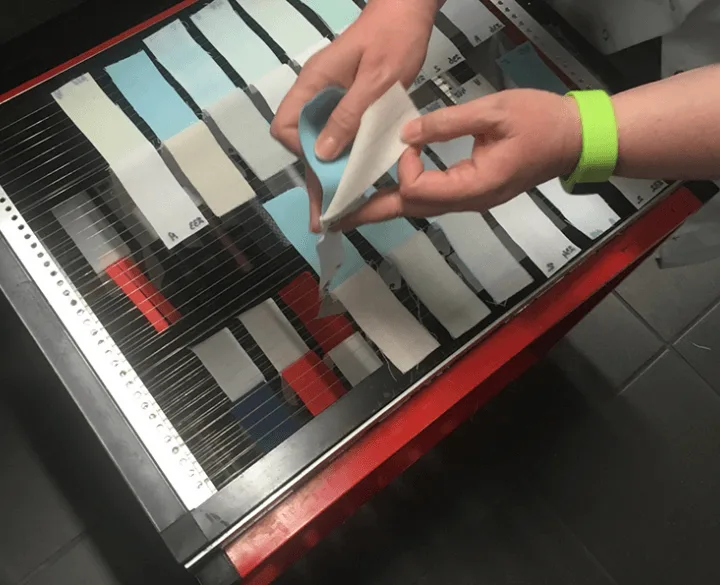
In the textile industry, maintaining fabric appearance and performance after repeated laundering is essential. Consumers expect garments, home textiles, and industrial fabrics to retain their original color even after numerous washing cycles. To ensure products meet these expectations, manufacturers conduct various durability tests among which Color Fastness to Washing is one of the most important.
Color retention directly affects customer satisfaction, brand reputation, and product quality. As a result, textile manufacturers rely on specialized testing equipment and standardized procedures to evaluate how fabrics react when exposed to washing conditions.
Understanding Color Fastness
Color fastness refers to a fabric’s ability to retain its original color without fading, bleeding, or transferring dye when subjected to different environmental conditions. These conditions may include sunlight, rubbing, perspiration, water exposure, and laundering.
Among the many fastness properties evaluated in textile laboratories Color Fastness to Laundering is particularly significant because washing is a routine part of a product’s life cycle. Fabrics that perform poorly during laundering may lose their visual appeal, resulting in customer complaints and product returns.
In addition to washing evaluations, manufacturers often assess color fastness to water to determine how fabrics respond to moisture exposure in everyday use.
The Importance of Color Fastness to Washing Testing
A comprehensive Color Fastness to Washing Test helps manufacturers determine whether a fabric can maintain its appearance after repeated cleaning. The test simulates washing conditions using controlled temperatures, detergents, and mechanical action.
The results provide valuable insights into dye stability and fabric performance. This information helps manufacturers select appropriate dyes, improve production processes, and ensure compliance with international quality requirements.
Testing also plays a critical role in product development by allowing researchers to compare different dyeing methods and textile treatments before mass production begins.
What Is a Color Fastness Tester?
A Color Fastness Tester is a laboratory instrument designed to evaluate the resistance of dyed or printed textiles to color changes during washing. These systems reproduce standardized laundering conditions, allowing technicians to assess the durability of fabric coloration accurately.
Many laboratories use a dedicated Wash fastness tester to conduct repeatable and reliable evaluations. Modern testing systems feature precise temperature control, programmable settings, and automated operation, helping laboratories achieve consistent results.
A high-quality Washing Fastness Tester is essential for textile manufacturers, testing institutions, research centers, and quality control departments seeking dependable performance data.
Understanding the Washing Fastness Test Method
The Washing Fastness Test Method follows established procedures that expose fabric specimens to specified washing conditions. During testing, samples are washed together with adjacent fabrics under controlled circumstances.
After laundering, technicians examine the samples for color changes and dye transfer. The results are then compared against standardized assessment scales to determine performance levels.
Following a recognized Color Fastness to Washing Test Method ensures consistency between laboratories and enables manufacturers to compare results across different production batches and facilities.
Importance of Testing Standards
Reliable testing depends on adherence to a recognized Color Fastness to Washing Test Standard. International standards define factors such as washing temperature, detergent composition, testing duration, and evaluation procedures.
Standardization ensures that test results are accurate, repeatable, and accepted by customers, regulatory organizations, and global brands. It also helps manufacturers demonstrate compliance with quality requirements in international markets.
Without standardized testing procedures, comparing product performance across suppliers and regions would be extremely difficult.
Evaluating Color Fastness to Washing Rating
One of the most important outcomes of testing is the Color Fastness to Washing Rating. This rating indicates the degree of color change or staining observed after laundering.
Higher ratings reflect better resistance to fading and dye migration, while lower ratings may signal potential quality concerns. Manufacturers use these ratings to evaluate product suitability for different applications and customer expectations.
A strong rating is often considered a key indicator of overall textile quality and long-term product performance.
Benefits of Using a Color Fastness Tester
A modern Colour Fastness Tester offers several advantages for textile laboratories and manufacturers:
Improved Product Quality
Regular testing helps identify weaknesses in dyeing processes and supports the development of more durable products.
Enhanced Customer Satisfaction
Fabrics that maintain their color after repeated washing contribute to a positive user experience and increased brand trust.
Consistent Manufacturing Standards
Routine testing ensures that production batches meet established quality requirements and remain consistent over time.
Reduced Product Returns
By verifying performance before products enter the market, manufacturers can minimize customer complaints related to fading and color transfer.
Choosing the Right Testing Equipment
Selecting an appropriate Wash fastness test system requires consideration of testing capacity, automation features, standard compliance, and ease of operation. Laboratories should invest in equipment capable of producing reliable and repeatable results while supporting current and future testing requirements.
For organizations seeking professional solutions, the Colour Fastness Tester available at https://chiuvention.com/product/color-fastness-to-washing-tester offers an efficient approach to evaluating textile washing performance and maintaining quality control standards.
Conclusion
As consumer expectations continue to rise, accurate assessment of Color Fastness to Washing has become a fundamental part of textile quality assurance. Through standardized testing procedures, manufacturers can evaluate Color Fastness to Wash performance, verify compliance with industry requirements, and improve product durability.
By utilizing a reliable Color Fastness Tester or Washing Fastness Tester laboratories can conduct precise evaluations, obtain dependable Color Fastness to Washing Rating results, and ensure fabrics maintain their appearance throughout their service life. Effective testing ultimately supports better products, stronger brands, and greater customer satisfaction.
