



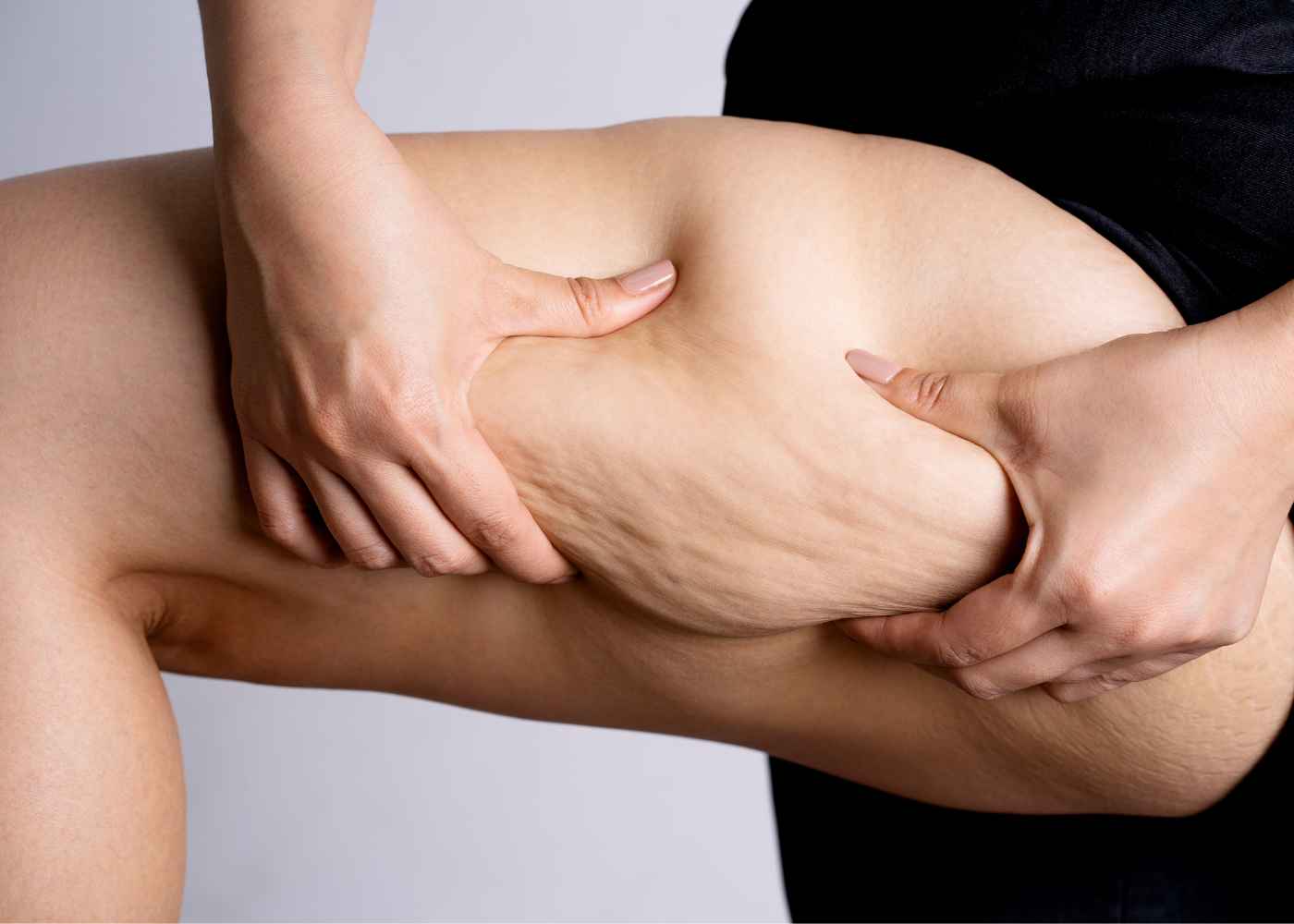
Cellulite affects people regardless of body type, fitness level, age or weight. The dimpled appearance that develops on thighs, buttocks, abdomen and arms frustrates those who maintain healthy lifestyles yet cannot eliminate the textural irregularities through diet and exercise alone. For decades, creams, massages and temporary fixes promised results they could not deliver. Modern aesthetic medicine has changed this reality through technologies that address the structural causes of cellulite rather than merely masking symptoms.
Understanding how these advanced treatments work helps those seeking smoother skin explore options that can deliver lasting improvement.
Recognizing What Causes the Problem
Cellulite forms when fat cells push against the connective tissue beneath the skin, creating the characteristic dimpling that no amount of cardiovascular exercise seems to resolve. The fibrous bands connecting skin to underlying muscle pull downward while fat pushes upward, producing the uneven texture that bothers so many people.
Genetics play a significant role in determining who develops cellulite and how prominently it appears. Hormonal changes, circulation patterns and skin thickness all contribute to the condition’s visibility.
This structural nature explains why surface treatments like lotions and dry brushing produce minimal lasting effects. Effective treatment must address what happens beneath the skin rather than what appears on top of it.
Exploring Radiofrequency Microneedling
Radiofrequency microneedling has emerged as a leading approach to cellulite reduction. These treatments combine tiny needles that penetrate the skin with radiofrequency energy that heats deeper tissue layers. The combination stimulates collagen production while remodeling the fat and fibrous structures responsible for dimpling.
The technology reaches depths that topical treatments cannot approach. By delivering energy directly to problem areas, these devices tighten skin while smoothing the contours that create visible irregularities.
Results develop gradually as the body produces new collagen and the treated tissues remodel themselves. Most patients require multiple sessions spaced weeks apart to achieve optimal outcomes. The improvements continue to develop for months following the final treatment.
Understanding Body Contouring Options
Body contouring procedures offer another pathway to smoother skin. These treatments range from minimally invasive to surgical, addressing both fat deposits and skin laxity that contribute to cellulite appearance.
Choosing trusted centers like Denver Plastic Surgery and Aesthetics ensures access to board-certified surgeons and comprehensive aesthetic teams who can evaluate individual concerns and recommend appropriate treatments. Their personalized approach addresses the whole person rather than applying one-size-fits-all solutions to complex aesthetic concerns.
Liposuction with skin tightening technology combines fat removal with radiofrequency or ultrasound energy that firms overlying skin. This approach works well for patients with moderate fat deposits alongside textural irregularities.
Considering Injectable Treatments
Injectable treatments represent newer additions to the cellulite treatment landscape. Some products contain enzymes that break down the fibrous bands pulling skin downward and creating dimples. Others add volume beneath depressed areas to create smoother surface contours.
These procedures typically require less downtime than surgical options while still producing meaningful improvements. The treatments work best for specific patterns of cellulite rather than widespread textural concerns.
Combination approaches often yield the most dramatic results. Practitioners may recommend injectable treatments alongside energy-based devices to address multiple contributing factors simultaneously.
Evaluating Candidacy Honestly
Not every treatment suits every patient. Realistic expectations begin with an honest evaluation of what each approach can accomplish, given individual anatomy and cellulite severity.
Mild cellulite often responds well to noninvasive energy treatments alone. Moderate to severe cases may require more aggressive intervention or combination protocols. Patients with significant skin laxity may need surgical tightening to achieve the desired smoothness.
Consultations with qualified practitioners reveal which options make sense for specific situations. These conversations should cover expected results, required sessions, recovery periods and long-term maintenance needs.
Maintaining Results Long Term
Achieving smoother skin represents only part of the journey. Maintaining results requires ongoing attention to the factors that influence cellulite development.
Healthy weight maintenance prevents new fat accumulation that could recreate dimpling. Regular exercise supports circulation and muscle tone that help skin appear firmer. Adequate hydration and nutrition contribute to skin health that supports lasting improvements.
Some patients benefit from periodic maintenance treatments that preserve collagen levels and prevent the gradual return of textural irregularities. Treatment plans should include discussions about long-term strategies rather than focusing exclusively on immediate results.
Taking the First Step
Cellulite treatment has advanced dramatically beyond the ineffective options that previously dominated the market. Modern technologies offer genuine solutions for those willing to pursue them through qualified practitioners.
The process begins with consultation appointments where practitioners evaluate individual concerns, explain available options and develop customized treatment plans. Armed with accurate information about what various approaches can realistically accomplish, patients make informed decisions about pursuing the smoother skin they have long desired.
