



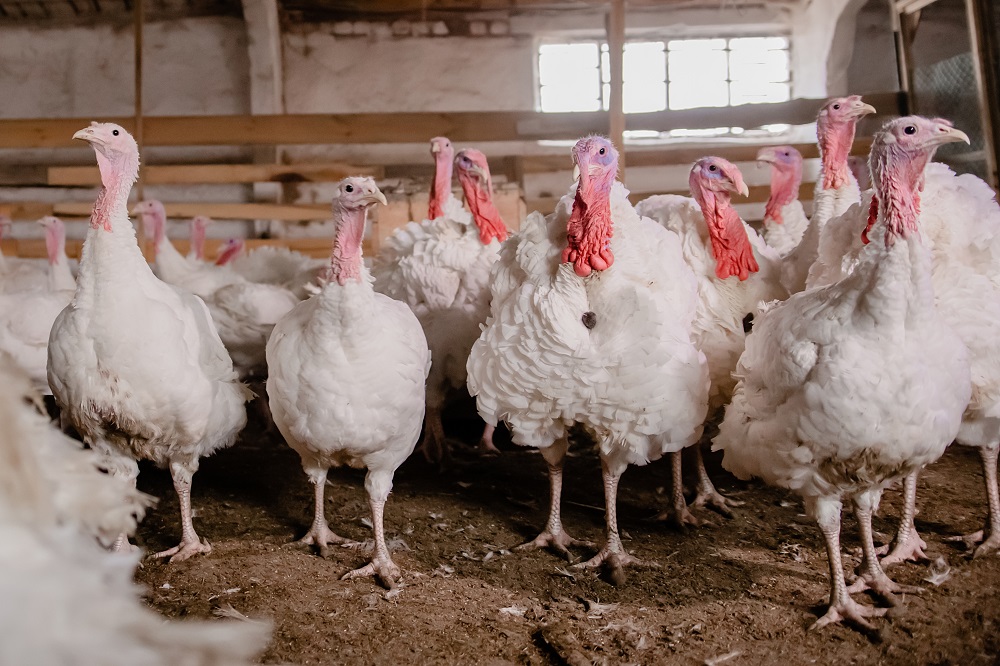
Keeping a turkey flock healthy requires a combination of proper nutrition and responsible disease control. When bacterial infections occur, administering antibiotics through drinking water can be an effective way to deliver treatment to an entire flock quickly and efficiently. To achieve the best results, however, antibiotics should only be used under veterinary guidance to support flock health and responsible antimicrobial stewardship.
Proper dosing and careful monitoring throughout the treatment period all play important roles in successful recovery. Understanding the best practices for using antibiotics in turkeys’ drinking water helps reduce treatment errors and improve overall effectiveness. The following practices can help ensure antibiotics are administered safely and effectively while supporting the health and recovery of your turkey flock.
Work With a Veterinarian Before Starting Treatment
Every disease requires an accurate diagnosis before any antibiotic is administered. Since bacterial infections respond differently to various medications, professional veterinary guidance is an essential first step. A veterinarian can identify the most appropriate treatment by evaluating clinical signs and other relevant factors. They can also recommend the correct dosage and withdrawal period when needed.
Using antibiotics without a confirmed diagnosis may reduce their effectiveness and contribute to antimicrobial resistance. Overall, careful treatment planning helps address the underlying cause of illness instead of simply masking symptoms. This approach supports healthier birds while encouraging responsible antibiotic use across the entire flock.
Keep Drinking Water Clean and Consistent
Clean drinking water is essential for effective antibiotic administration in turkey flocks. Contaminants such as dirt, organic matter, or other mineral buildup in water lines can interfere with medication distribution and may reduce the effectiveness of treatment.
Before beginning an antibiotic program, water systems should be thoroughly flushed and cleaned according to recommended maintenance practices to help maintain water quality. Providing birds with continuous access to fresh water also supports consistent medication intake and helps prevent interruptions during the treatment period. Monitoring water consumption throughout treatment is also an important part of successful antibiotic administration. This is because changes in drinking patterns can affect the amount of medication birds receive, making regular observation necessary for identifying potential issues.
Moreover, environmental factors such as high temperatures can influence water consumption, while stress or illness may cause birds to drink less than normal. Keeping the water supply clean and properly managed supports effective treatment and allows the antibiotic to reach the flock as intended.
Mix the Antibiotic Accurately
Preparing medication correctly is an essential step in achieving successful treatment outcomes. Always follow the product instructions and your veterinarian’s recommendations when determining the correct concentration and dosage for your flock.
Using accurate measuring equipment helps prevent underdosing or overdosing, which can impact treatment effectiveness and overall flock health. Fresh medicated water should be prepared according to the recommended guidelines to maintain the antibiotic’s stability and effectiveness. The medication should also be mixed thoroughly to ensure it is evenly distributed throughout the water supply.
Any remaining medicated water should be disposed of or handled according to the product instructions instead of being stored for long periods. Following proper preparation practices helps support effective treatment, promotes recovery, and minimizes potential complications during the healing process.
Monitor the Flock Throughout the Treatment Period
Observation should continue after medication has been added to the drinking water, as monitoring the flock plays an important role in evaluating treatment progress. Farmers should check birds daily for changes in appetite, water consumption, behavior, and overall health. While improvements may be seen over several days, any signs of worsening symptoms should be reported to a veterinarian promptly. Keeping detailed records of treatment dates and flock observations can also help guide future health management decisions.
Along with monitoring the birds, farmers should evaluate environmental conditions that may affect recovery. Factors such as litter quality and stocking density can influence recovery, making proper flock management an important part of supporting medication effectiveness and maintaining bird health.
Practice Responsible Antibiotic Stewardship
Antibiotics play an important role in managing bacterial infections, but they should always be used carefully and only when needed. Using the correct treatment plan and completing the recommended course can help improve recovery while reducing the risk of bacteria developing resistance. Producers should also pay close attention to withdrawal periods to ensure birds are safe for the food supply.
Beyond following the recommended treatment plan, choosing medications from trusted veterinary suppliers can also help ensure that products meet quality standards and are used appropriately as part of a complete flock health management approach. Companies such as US Vet provide veterinary products like antibiotics, which can be included in flock care programs under professional guidance.
Using medications from trusted sources alongside proper treatment practices helps producers provide effective care while protecting the long-term value of antibiotics. When combined with preventive measures and careful flock monitoring, responsible treatment decisions can lead to healthier birds and a more sustainable approach to poultry production.
Conclusion
Using antibiotics for turkeys’ drinking water effectively involves more than simply adding medication to the water supply. Accurate diagnosis, proper mixing procedures, clean water systems, and careful monitoring all play an important role in achieving successful treatment outcomes. Following veterinary guidance helps ensure antibiotics are administered safely and used only when necessary. Combining responsible medication practices with proper flock management can support recovery and help reduce the risk of future disease outbreaks.
