


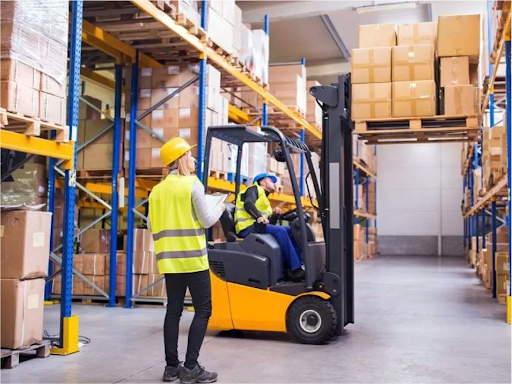
Operating a forklift may seem straightforward, but it involves more than just moving pallets around a warehouse. Without proper knowledge and training, forklift operators can put themselves and others at risk of serious accidents. Forklift training is essential for anyone who wants to operate this equipment safely, efficiently, and legally. This article explores how forklift training helps individuals become certified and ensures safer operations in the workplace.
Understanding Forklift Training
Forklift training is a structured program designed to teach individuals the skills, knowledge, and safety practices needed to operate a forklift. The training covers a variety of topics, including how to maneuver the vehicle, load and unload materials safely, inspect the forklift before use, and follow workplace safety regulations. Whether you are new to operating forklifts or looking to improve your skills, forklift training provides a foundation for responsible and confident operation.
Benefits of Becoming a Certified Forklift Operator
One of the primary outcomes of forklift training is certification. A certified forklift operator has completed a training program that meets legal and industry standards. Certification not only proves that you have the necessary skills but also enhances your employability. Many employers require forklift certification before allowing someone to operate equipment in their warehouse or production facility. Being certified demonstrates that you understand safety procedures and can handle the machinery responsibly, which is highly valued in workplaces.
Learning Safe Operating Practices
Forklift training emphasizes safety, which is crucial because operating a forklift comes with potential hazards. Training teaches operators how to prevent accidents, avoid collisions, and handle materials without causing damage or injury. For example, operators learn to drive at appropriate speeds, maintain clear visibility, and balance loads properly. They also practice emergency procedures in case of tipping or mechanical failure. By following these safety practices, certified operators can significantly reduce the risk of workplace injuries.
Improving Efficiency and Productivity
Forklift training does more than just enhance safety; it also improves efficiency. Trained operators learn how to maneuver forklifts in tight spaces, optimize routes for moving materials, and use the equipment effectively to complete tasks quickly. This knowledge helps minimize delays and reduces the likelihood of damage to goods or the forklift itself. In a busy warehouse or industrial environment, efficient forklift operation is essential for maintaining smooth workflow and productivity.
Understanding Regulations and Compliance
Workplace safety regulations require that forklift operators be properly trained and certified. Forklift training programs include instruction on legal requirements and compliance standards, helping operators understand their responsibilities. Following these regulations is important not only for safety but also to avoid fines, penalties, or legal issues for both the operator and the employer. Certification through training ensures that operators are up to date with current laws and safety standards.
Gaining Confidence on the Job
Confidence is an often-overlooked benefit of forklift training. Operators who have undergone formal training feel more assured in their ability to handle the equipment and respond to unexpected situations. This confidence reduces hesitation and errors while operating the forklift, which contributes to a safer and more productive work environment. Being trained also encourages operators to maintain focus and adopt a proactive attitude toward workplace safety.
Conclusion
Forklift training is an essential step for anyone who wants to operate a forklift safely and professionally. By completing a training program, operators gain certification, learn important safety practices, improve efficiency, understand regulations, and develop confidence on the job. Investing in forklift training not only protects the operator but also contributes to a safer and more productive workplace. Whether you are starting a career as a forklift operator or looking to enhance your skills, proper training is the key to becoming a certified and safer operator.
