


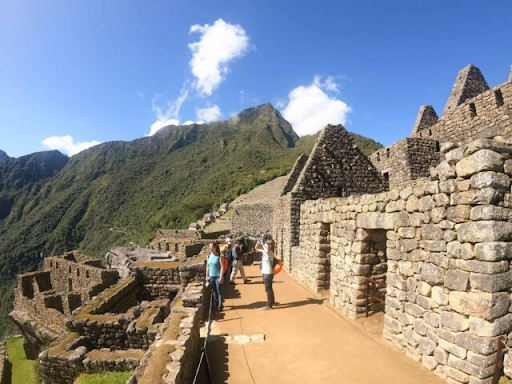
A Machu Picchu guided tour by train combines the convenience of organized travel with the invaluable insights of expert local guides, creating an enriched experience that transforms ancient ruins into vivid stories of Incan civilization. This comprehensive approach ensures travelers not only see the magnificent structures but truly understand their significance, purpose, and the remarkable culture that created them. For visitors seeking to maximize their appreciation and understanding of this UNESCO World Heritage Site, choosing a guided tour delivers immeasurable value.
The Value of Expert Guidance
The difference between visiting Machu Picchu independently and experiencing it through a Machu Picchu guided tour by train becomes immediately apparent when standing before the first terraced walls. Without context, the site appears as impressive stonework arranged on a mountain ridge. With an expert guide, these same stones reveal sophisticated agricultural systems, astronomical observatories, religious temples, and residential quarters that housed Incan nobility.
Certified guides bring years of study and deep cultural knowledge to their interpretations. Many guides are native Quechua speakers with ancestral connections to the region, offering perspectives grounded in living traditions rather than purely academic understanding. They explain not just what visitors see but why the Incas built specific structures in particular locations, how different sectors served distinct purposes, and what daily life might have looked like in this mountain sanctuary.
These experts identify architectural features that untrained eyes overlook, such as trapezoidal doorways designed for earthquake resistance, precisely carved stones that fit together without mortar, and subtle alignments with celestial events that governed Incan agricultural and religious calendars. They point out evidence of sophisticated water management systems that still function today, explain the significance of different stone-cutting techniques, and decode the symbolic meanings embedded in the site’s layout.
Comprehensive Tour Structure
A typical Machu Picchu guided tour by train begins with hotel pickup in Cusco during early morning hours, ensuring travelers start their journey refreshed and ready for the adventure ahead. Professional transportation to the train station eliminates confusion about directions and timing, allowing participants to simply enjoy the experience while logistics are handled seamlessly.
The train journey itself often includes commentary from tour guides who begin sharing information about the Sacred Valley, Incan history, and what to expect at Machu Picchu. Some tours provide breakfast on board or vouchers for meals in Aguas Calientes, ensuring travelers remain energized throughout the day. This attention to practical needs allows visitors to focus entirely on the experience rather than worrying about where to find food or how to navigate unfamiliar territory.
Upon arriving in Aguas Calientes, guides coordinate bus transportation to Machu Picchu’s entrance, managing tickets and timing to optimize the group’s experience. They navigate entry procedures efficiently, having completed these steps countless times, which saves valuable exploration time. Once inside the site, the guided portion typically lasts two and a half to three hours, covering all major sectors and significant structures systematically.
Key Areas Covered in Guided Tours
During a Machu Picchu guided tour by train, expert guides lead visitors through carefully planned routes that showcase the site’s most important features while explaining the overall layout and purpose of different zones. The agricultural sector, with its extensive terracing system, demonstrates how the Incas transformed steep mountainsides into productive farmland while preventing erosion. Guides explain the sophisticated irrigation systems that channeled water from natural springs throughout the complex.
The urban sector receives detailed attention as guides explain the functions of various structures. The Temple of the Sun, one of Machu Picchu’s most refined buildings, features precisely cut granite blocks and windows aligned with solstice sunrises. Guides discuss the temple’s ceremonial significance and the astronomical knowledge required for its construction. Nearby, the Royal Tomb carved beneath the temple showcases masterful stonework and religious importance.
The Intihuatana stone, often called the “hitching post of the sun,” represents one of Machu Picchu’s most enigmatic features. Guides explain theories about its astronomical and ceremonial purposes, describing how its angles and positioning relate to surrounding mountain peaks and celestial events. The Main Temple and Three Windows Temple receive similar detailed explanations, with guides pointing out architectural refinements and discussing their probable functions within Incan society.
The residential areas where common workers and possibly servants lived contrast sharply with the fine stonework of religious and noble quarters. Guides help visitors understand social hierarchies within Incan civilization by comparing construction quality and explaining how different classes occupied distinct zones. These insights add human dimension to the archaeological remains, making ancient inhabitants feel less remote.
Benefits of Small Group Tours
Many Machu Picchu guided tour by train operators limit group sizes to enhance the experience quality. Smaller groups, typically ranging from eight to fifteen participants, allow guides to provide more personalized attention and answer individual questions thoroughly. Participants can hear guides clearly without large crowds pressing around, and photographers can capture images without dozens of people blocking their shots.
Small groups also move more efficiently through the site, avoiding bottlenecks that plague larger tour groups at popular viewpoints and narrow passages. This efficiency means spending more time absorbing information and less time waiting for groups to reorganize. Additionally, guides can adapt their routes and timing based on crowd patterns, taking advantage of quiet moments at usually busy locations.
The intimate atmosphere of small groups fosters interaction among participants, often leading to friendships that extend beyond the tour. Travelers share the profound experience of discovering Machu Picchu together, creating bonds through common wonder and excitement. Many participants appreciate the opportunity to discuss what they’re seeing with fellow travelers who share their enthusiasm.
Language Options and Specializations
Quality Machu Picchu guided tour by train services offer multiple language options to ensure visitors receive information in their preferred language. English and Spanish guides are standard, with many operators also providing French, German, Portuguese, and other languages depending on demand. Understanding complex historical and architectural information in your native language significantly enhances comprehension and enjoyment.
Some specialized tours focus on particular aspects of Machu Picchu such as astronomy, architecture, archaeology, or spirituality. These themed tours appeal to visitors with specific interests who want deeper exploration of focused topics. Photography-oriented tours time visits for optimal lighting and teach participants how to capture the site’s beauty effectively. Spiritual tours emphasize the sacred aspects of Machu Picchu, incorporating meditation and ceremonies that honor Andean traditions.
Free Time and Flexibility
Most Machu Picchu guided tour by train packages include free time after the guided portion concludes, allowing participants to explore independently, revisit favorite areas, or simply sit quietly absorbing the atmosphere. This balance between structured learning and personal discovery satisfies different traveling styles within a single tour format.
During free time, visitors can hike to the Sun Gate for panoramic views of the entire site and surrounding mountains, though this requires moderate fitness and takes about an hour round trip. Others prefer finding secluded spots for meditation or photography, or returning to particularly interesting structures for closer examination without time pressure. Some travelers use free time to visit the nearby Mandor Gardens or explore Aguas Calientes before their return train.
Guides typically remain available during free time to answer additional questions or provide directions, ensuring participants feel supported while maintaining independence. This accessibility proves valuable when visitors develop new questions based on what they’ve learned or notice details they want explained.
Logistical Advantages
Choosing a Machu Picchu guided tour by train eliminates numerous logistical challenges that independent travelers must navigate. Tour operators handle all ticket purchases including trains, buses, and entrance fees, ensuring everything coordinates properly and nothing gets overlooked. This comprehensive management proves especially valuable given the complex reservation requirements and limited availability during peak season.
Guides also provide practical information about facilities, weather changes, and safety considerations throughout the day. They know where restrooms are located, when crowds typically surge at different areas, and how to adjust routes if weather affects certain zones. This local knowledge helps participants avoid common mistakes and maximize their limited time at the site.
Additionally, traveling with a guided group provides security and peace of mind, particularly for solo travelers or those unfamiliar with Peru. Having a knowledgeable local leader means immediate assistance if problems arise, whether losing personal items, experiencing altitude symptoms, or simply needing recommendations for meals or shopping in Aguas Calientes.
Choosing the Right Tour Operator
Selecting a quality operator for your Machu Picchu guided tour by train requires research into company reputations, guide qualifications, and what specific packages include. Reading recent reviews from multiple sources reveals patterns in service quality, guide knowledge, and how operators handle inevitable complications like weather delays or crowded conditions.
Verify that tour guides hold official certification from Peru’s Ministry of Culture, which requires extensive training and testing. Certified guides must demonstrate comprehensive knowledge of Incan history, Machu Picchu’s archaeology, and proper site interpretation. They also follow ethical guidelines that protect the ruins and provide accurate information rather than sensationalized myths.
Compare what different packages include regarding meals, train service class, group size limits, and additional features. Some tours bundle hotel accommodations in Aguas Calientes for multi-day experiences, while others focus on efficient single-day visits. Understanding exactly what you’re paying for prevents disappointment and ensures the tour matches your expectations and needs.
Conclusion
A Machu Picchu guided tour by train represents the optimal way to experience one of the world’s most remarkable archaeological sites. The combination of expert interpretation, seamless logistics, and comprehensive service allows visitors to focus entirely on learning and absorbing the profound significance of this ancient citadel. Guides transform scattered ruins into coherent narratives about sophisticated civilization, bringing centuries-old stones to life through stories, explanations, and cultural context that independent exploration cannot provide.
The convenience of organized transportation, coordinated schedules, and included amenities removes stress from the experience, while small group sizes ensure personalized attention and meaningful interactions. Whether you’re fascinated by architecture, astronomy, history, or spirituality, having an expert guide enhances your understanding and appreciation immeasurably. For travelers seeking not just to see Machu Picchu but to truly comprehend its magnificence, choosing a guided tour by train delivers an enriched experience that creates lasting memories and deep connections to Peru’s extraordinary heritage.
