


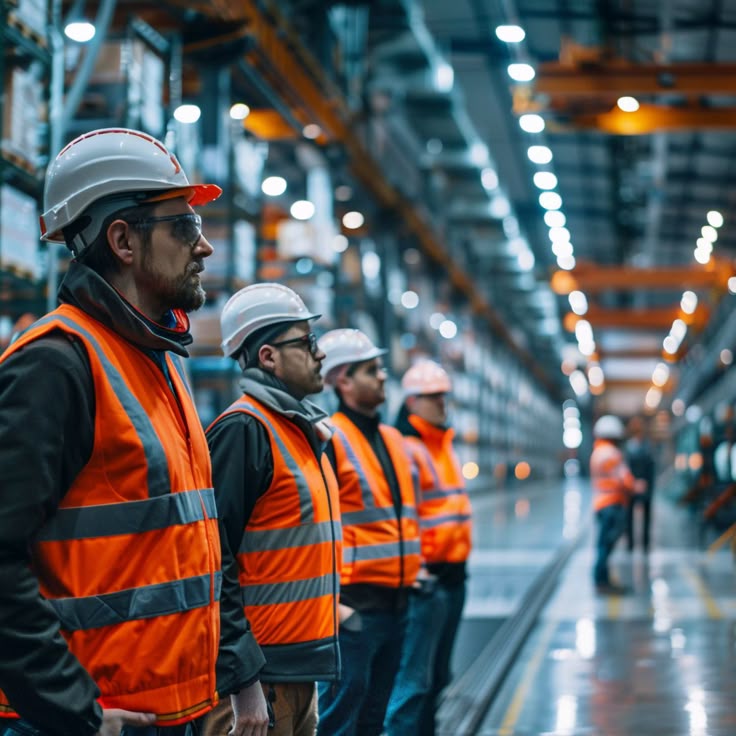
When it comes to workplace safety, the smallest details often make the biggest difference. Among the many protective gears used across industries, the high-visibility mesh safety vest stands out as a crucial element in accident prevention.
From construction zones to warehouses, highways to outdoor events, these lightweight vests play a significant role in keeping workers visible and reducing risks.
In this article, we’ll explore why high-visibility mesh safety vests are so important, the science behind their design, their role in accident prevention, and what employers and workers should consider when choosing the right vest.
Understanding High-Visibility Mesh Safety Vests
High-visibility safety vests, often made with fluorescent materials and reflective strips, are designed to make the wearer stand out against any environment. The mesh variety specifically combines visibility with breathability, making them ideal for hot or physically demanding workplaces.
Key Features of Mesh Safety Vests:
- Lightweight and Breathable: The mesh design allows airflow, reducing heat stress.
- Bright Colors: Fluorescent orange, yellow, and lime are commonly used for daytime visibility.
- Reflective Strips: Retroreflective tape shines brightly under headlights or spotlights, enhancing nighttime visibility.
- ANSI/ISEA Compliance: Many vests meet or exceed the standards set by the American National Standards Institute (ANSI) for safety apparel.
This combination ensures that workers are both comfortable and visible, even in the most challenging environments.
Why Visibility Matters in Accident Prevention
The leading cause of workplace accidents in industries like construction, roadwork, and logistics often comes down to low visibility. According to the Occupational Safety and Health Administration (OSHA), thousands of workers are injured or killed each year due to being struck by vehicles, machinery, or falling objects.
High-visibility mesh safety vests address this issue directly:
- Increased Detection Time: Drivers or machine operators can spot workers from farther away, giving them more reaction time.
- Contrast Against Environment: Bright, reflective materials ensure workers stand out against backgrounds of dirt, concrete, or asphalt.
- All-Day Safety: Fluorescent colors improve daytime visibility, while reflective strips provide safety at night or in low-light conditions.
Simply put, when workers are seen more clearly, the likelihood of accidents decreases significantly.
Industries That Rely on Mesh Safety Vests
While mesh safety vests are versatile, some industries depend on them more heavily than others due to constant exposure to hazardous environments:
1. Construction
Construction sites often involve heavy machinery, moving vehicles, and busy crews. Mesh safety vests make workers visible to operators and prevent collisions in areas with poor sightlines.
2. Roadwork and Traffic Control
Highway workers, flaggers, and emergency responders need to be visible to fast-moving drivers. Reflective mesh vests increase safety during both day and night operations.
3. Warehousing and Logistics
Forklifts, pallet trucks, and delivery vehicles pose constant risks in warehouses. Safety vests ensure that workers remain visible to operators, reducing accidents.
4. Event Management
Volunteers, staff, and security personnel at large outdoor gatherings wear mesh vests for easy identification and safety among large crowds.
5. Utility and Maintenance Work
Workers repairing power lines, sewage systems, or pipelines benefit from vests that keep them visible in complex environments.
The Science Behind High-Visibility Materials
The effectiveness of high-visibility mesh safety vests is rooted in color theory and optics.
- Fluorescent Colors: Lime-yellow, orange-red, and bright yellow absorb and emit light differently, making them more noticeable in daylight.
- Retroreflective Tape: Designed with tiny prisms or glass beads, this tape reflects light directly back to the source (like car headlights), ensuring visibility in darkness.
- Contrast Placement: Strategic placement of reflective strips on shoulders, chest, and back creates a recognizable human outline even from a distance.
This combination ensures that workers are noticed quickly, regardless of the time of day.
Mesh Safety Vests and Heat Stress Reduction
One often-overlooked advantage of mesh safety vests is comfort in hot environments. Heat stress is a serious occupational hazard, especially in outdoor industries. Traditional solid vests trap heat, increasing fatigue and lowering focus two factors that raise accident risks.
Mesh vests, however, promote airflow and reduce sweating, ensuring workers remain alert and effective throughout the day. In this way, they don’t just make workers more visible; they also contribute indirectly to accident prevention by maintaining focus and reducing exhaustion.
Compliance with Safety Standards
Employers must ensure that the vests they provide meet specific industry standards. The most widely recognized in the U.S. are the ANSI/ISEA 107 standards, which classify high-visibility apparel into three categories:
- Class 1: Suitable for low-risk environments (e.g., parking lot attendants).
- Class 2: For higher-risk jobs with heavier traffic or complex environments (e.g., roadwork).
- Class 3: For the highest-risk situations, requiring full-body visibility (e.g., highway construction, emergency responders).
Selecting the right class of mesh safety vest ensures legal compliance and maximum protection.
Choosing the Right Mesh Safety Vest
Not all vests are created equal. Here are key considerations when selecting a high-visibility mesh safety vest:
- ANSI/ISEA Certification: Always confirm compliance with standards.
- Fit and Comfort: Vests should fit properly without restricting movement.
- Durability: Reinforced stitching and quality materials extend lifespan.
- Pockets and Features: For industries needing extra storage, look for utility vests with pockets or tool slots.
- Color and Reflectivity: Match vest features to working conditions (e.g., orange for construction, lime for roadside).
How Employers Benefit from Mesh Safety Vests
For employers, providing mesh safety vests is not just about compliance it’s about responsibility and long-term benefits:
- Reduced Accidents: Fewer incidents mean fewer injury-related costs and downtime.
- Improved Productivity: Comfortable, visible workers can perform with confidence.
- Positive Safety Culture: Visible investment in safety boosts morale and employee trust.
- Regulatory Compliance: Avoid fines and legal consequences by meeting safety apparel requirements.
Conclusion
Accidents are often the result of preventable factors, and poor visibility is one of the most significant. By equipping workers with safety vests, employers take a proactive step toward creating safer workplaces. These vests not only ensure workers are seen but also improve comfort, compliance, and overall efficiency.
In industries where one mistake can mean life or death, mesh safety vests prove that something as simple as being visible can make all the difference. Investing in them isn’t just about meeting standards, it’s about protecting lives.
