



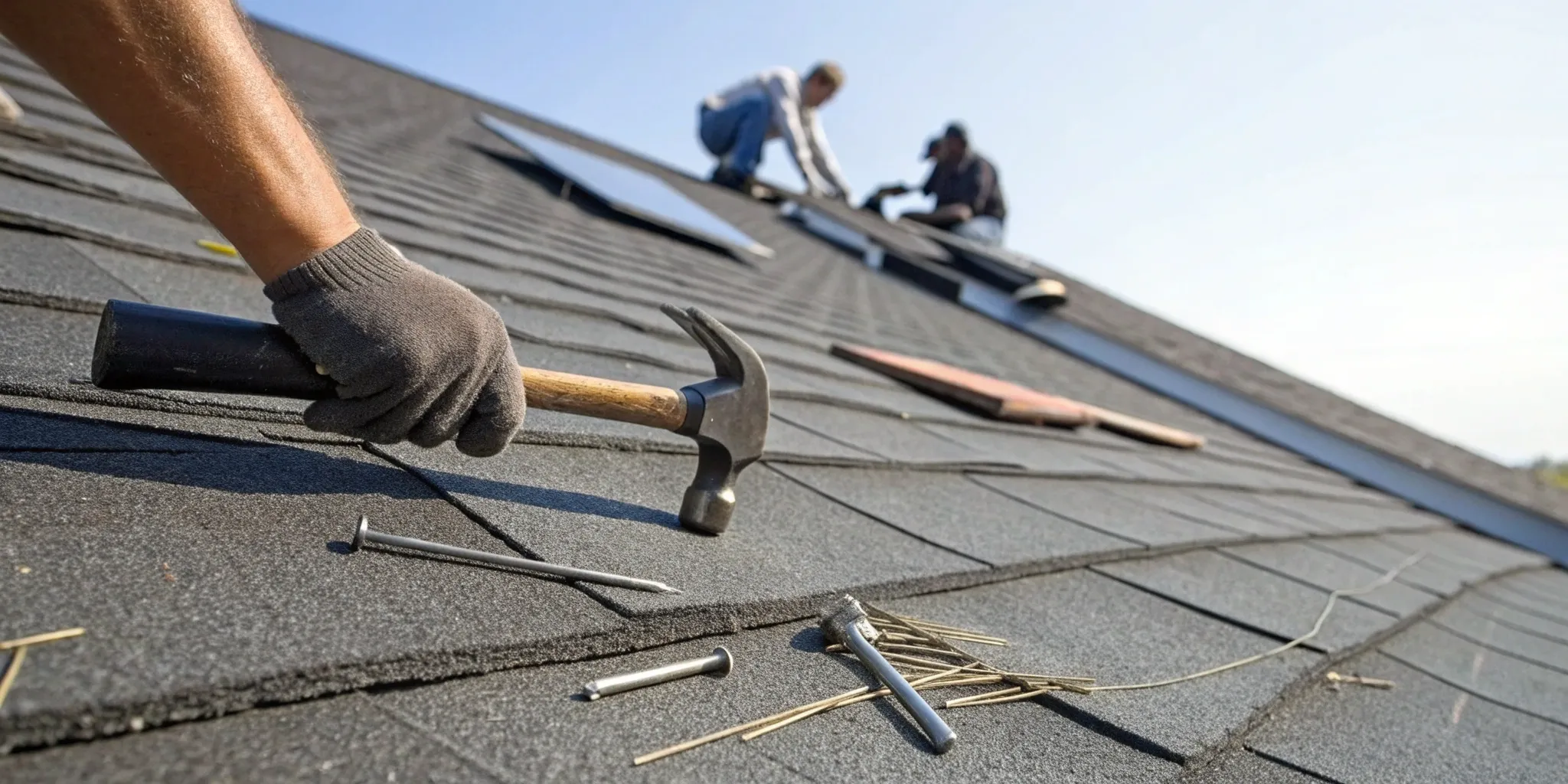
Roof leaks are common in older homes and buildings due to natural wear and tear, weather exposure, and weakened waterproofing layers. When left unaddressed, even small leaks can lead to major structural issues and mould growth. This article highlights the most important warning signs and explains how professional roof contractors diagnose and carry out effective roof leak repair to keep your home protected.
Why Roof Leaks Shouldn’t Be Ignored
Delaying roof repairs increases the risk of electrical hazards, toxic mould growth, and weakened roof structures. Over time, moisture can spread through ceilings, walls, and insulation, resulting in costly long-term damage. Fixing issues early prevents major deterioration—especially during heavy rainy seasons, when minor leaks can escalate rapidly. Prompt action helps protect both your home and your budget.
Top Signs You Need Roof Leak Repair
Stains or Damp Spots on Ceilings and Walls
Brown patches or damp marks are early signs of water infiltration. These usually indicate that moisture has entered through damaged tiles, flashings, or waterproofing membranes.
Dripping Water or Moisture During Rain
If water droplets appear during rainfall, this shows an active leak that requires urgent attention before more severe structural damage occurs.
Missing, Broken, or Loose Shingles/Tiles
Damaged roofing materials expose the underlying structure to rain, causing leaks to form quickly. Wind, heat, and ageing often cause such deterioration.
Mould or Musty Smell Indoors
A persistent musty smell usually means water is trapped behind walls or insulation. This can pose health risks and compromise indoor air quality.
Bubbling Paint or Warp Marks on Interior Surfaces
Paint that bubbles, peels, or warps indicates moisture build-up behind the surface, often linked to hidden roof leaks.
Rusted Gutters, Flashings, or Roof Screws
Rust suggests water pooling or poor drainage. When gutters, screws, or flashings deteriorate, they can allow water to seep into roofing layers.
How Roof Contractors Diagnose the Issue
Professional roof contractors begin by inspecting both the interior and exterior areas of your home. They may use drones or moisture meters to access hard-to-reach or concealed spots. The assessment covers roofing materials, drainage pathways, sealants, flashings, and the overall structural condition. This helps determine whether the leak is caused by surface-level wear, poor drainage, damaged membranes, or deeper structural failures. Accurate diagnosis ensures long-lasting repair rather than temporary fixes.
How Roof Contractors Fix Roof Leaks
Repair or Replacement of Damaged Tiles/Shingles/Sheets
Contractors replace broken or missing roofing materials to restore waterproofing and protect underlying layers.
Sealing and Waterproof Coating
For flat roofs or minor cracks, waterproof sealants and protective coatings create a durable layer to stop water penetration.
Flashing Repairs Around Vents, Skylights, and Chimneys
These areas are common leak points. Contractors reseal or replace faulty flashings to prevent water from entering vulnerable gaps.
Gutter and Downpipe Maintenance
Blocked or damaged gutters can cause water overflow and leaks. Clearing debris and repairing drainage ensures proper water flow.
Full Roof Restoration (if severe)
For major deterioration, contractors may recommend re-roofing, rebattening, or resurfacing the entire roof to ensure long-term protection.
Protect Your Home by Acting on Roof Leaks Early
Addressing roof leaks promptly prevents costly structural damage and ensures a safer living environment. If you notice any signs of water infiltration, don’t wait for the problem to worsen. Contact MVM Roofing for a professional inspection and reliable roof leak repair today.
