



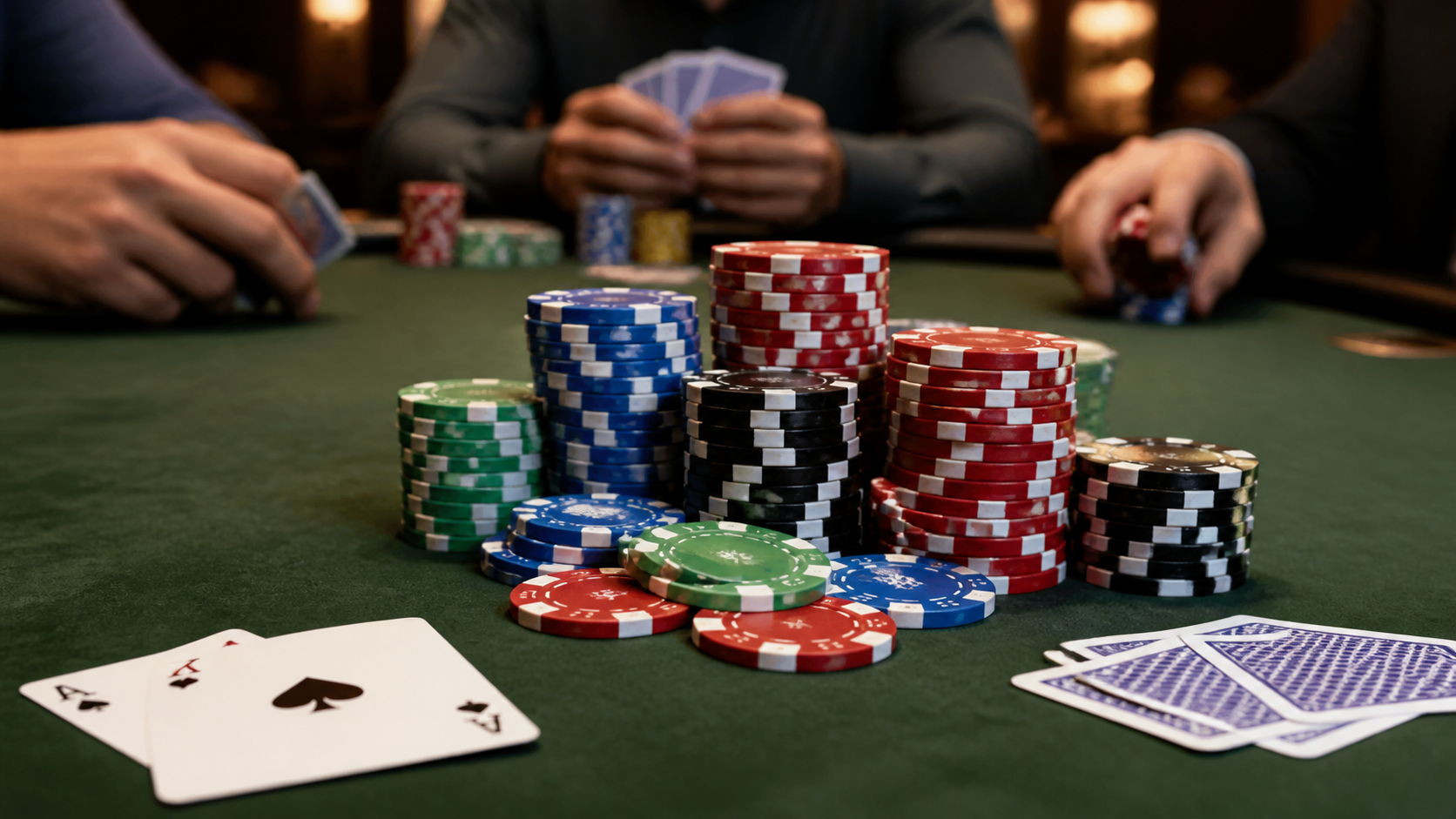
Real-money poker attracts players for a simple reason: every decision matters. When chips and cash are connected, the game becomes more than entertainment. It becomes a test of patience, discipline, observation, and timing. That added pressure is part of the appeal, but it also means players need a clearer approach than they might use in casual home games.
For anyone exploring โป๊กเกอร์ เงิน จริง , the biggest challenge is not learning the basic rules. The real task is understanding how to manage risk, choose games carefully, and avoid the common habits that quietly drain a bankroll. A solid approach does not remove uncertainty, but it can make play more thoughtful and far easier to enjoy.
This guide looks at the practical side of real-money poker from a player’s perspective. It covers the factors that matter before sitting down at a table, how to think about strategy in a realistic way, and why consistency often matters more than dramatic moves. Whether someone is new to the format or already familiar with the flow of online and live games, the same basic principle applies: better decisions usually lead to a better experience.
Understanding Real-Money Poker as a Skill-Based Game
Real-money poker is often described as a game of skill mixed with uncertainty, and that is a useful way to think about it. The cards are never fully under a player’s control, but the decisions made after the deal have a major impact on long-term results. Choosing when to fold, call, raise, or slow down is where much of the real work happens.
Because money is involved, players tend to feel every hand more strongly. That emotional weight can be useful if it keeps a person focused, but it can also lead to rushed decisions. A player who starts treating each hand like a personal challenge may make calls that are not supported by the situation. Staying calm is often one of the most valuable habits at the table.
Why the money element changes the experience
When play is tied to real value, the game becomes less forgiving. Recreational mistakes that feel harmless in a free game can become expensive over time. That does not mean players need to be overly cautious, but it does mean that every session benefits from a clearer plan. Even a simple decision such as deciding in advance how much to spend can reduce emotional pressure later.
What separates casual play from more disciplined play
Disciplined players usually pay attention to position, betting patterns, table pace, and their own emotional state. Casual players may focus mainly on the cards themselves. The difference matters because poker rewards people who can see the table as a whole, not just the current hand. Better awareness often leads to better timing, and timing is one of the game’s most useful advantages.
Choosing the Right Place to Play
Not every poker environment feels the same. Some tables are loose and fast, while others are slower and more methodical. Some players prefer the convenience of online play, while others enjoy the physical cues and atmosphere of a live table. The right choice depends on what a player wants from the experience and how much structure they prefer.
Before joining any game, it helps to think about the pace, the stake level, and the general level of competition. A table that feels comfortable is not necessarily an easy table, but it can make decision-making more stable. When the setting matches a player’s habits, it is easier to stay focused and avoid chasing losses or playing too many hands.
Factors to compare before joining a table
- How quickly hands are dealt and how much time you have to act
- The size of the stakes relative to your comfort level
- Whether the table feels passive, aggressive, or mixed
- How easy it is to track your own spending and session length
- Whether the format suits your attention span and preferred style
Online and live play: different strengths
Online poker is often appealing because it is convenient, fast, and easy to access. It may also allow players to see more hands in less time, which can help with learning patterns. Live poker, by contrast, gives players more time to observe behavior and table dynamics. Neither format is automatically better. The better choice is the one that fits the player’s goals and habits without creating unnecessary pressure.
Building a Bankroll and Managing Risk
Bankroll management is one of the least glamorous parts of poker, but it is also one of the most important. A player does not need a complicated system to benefit from it. The core idea is simple: set aside a separate amount for play and avoid treating it like everyday spending money. That separation makes it easier to keep sessions in perspective.
One of the most common mistakes is moving up in stakes too quickly after a few good sessions. Short-term results can be misleading, especially in a game with natural swings. Another mistake is trying to recover losses with bigger bets. That approach often makes the situation harder rather than better. A steadier plan is usually more sustainable.
Practical bankroll habits that help
- Decide in advance how much of your play money is available for one session
- Use stakes that leave room for normal variance
- Stop when focus drops, even if the session is still going
- Track results honestly instead of relying on memory
- Avoid mixing poker funds with essential personal expenses
People looking for structured advice around โป๊กเกอร์ เงิน จริง often benefit most from simple boundaries rather than complex formulas. A clear limit, a realistic stake, and a calm mindset can do more for long-term enjoyment than an aggressive approach built around short-term wins.
Strategy Basics That Actually Matter
Strategy in real-money poker does not have to be advanced to be effective. In fact, simple discipline usually matters more than flashy moves. Players who understand position, pot control, and hand selection often make fewer costly errors than players who rely on instinct alone. The goal is not to play every hand well; it is to avoid the situations that put you at a disadvantage too often.
A useful strategy starts before the flop and continues through the rest of the hand. If the starting position is weak, a player may need to be more selective. If the table is particularly aggressive, patience can matter more than ambition. Good strategy often looks boring from the outside because it is built around reducing mistakes rather than chasing highlight moments.
Hand selection and position
Not every hand deserves action. Stronger starting hands are easier to manage, but context still matters. Position affects how much information a player has before acting, which makes later positions generally easier to play. Understanding that relationship helps players make better calls without feeling pressured to join every pot.
Reading the table instead of forcing action
Some players try to win by being busy. They enter too many pots, bluff too often, or overreact when they miss a board. A better habit is to watch how others behave and adapt. If the table is cautious, value betting may matter more. If the table is loose, patience and tighter selection can be more effective. The most useful strategy is the one that responds to what is actually happening, not what a player hoped would happen.
Playing Responsibly and Keeping the Experience Enjoyable
Real-money poker should remain a controlled form of entertainment. That means knowing when to step back, avoiding emotional decisions, and being honest about why you are playing. If the main goal becomes recovering losses or proving something to yourself, the game can stop feeling enjoyable very quickly. A thoughtful player knows when the table is helping and when it is becoming a source of stress.
It also helps to treat poker as one part of a broader entertainment budget, not a way to create income pressure. This mindset encourages better boundaries. Players can still care about outcomes and improve their skills, but they are less likely to make impulsive choices when they see each session as limited in scope.
- Pause after a difficult session before deciding whether to play again
- Use time limits as well as spending limits
- Pay attention to signs of frustration or fatigue
- Leave when the experience stops feeling clear and enjoyable
- Focus on making good decisions, not forcing results
Enjoyment in poker usually comes from staying engaged without getting carried away. That balance is easier to maintain when expectations are realistic and the stakes are chosen with care.
Conclusion: A Smarter Approach to Real-Money Poker
Real-money poker rewards patience, judgment, and a willingness to think beyond the current hand. Players who choose the right environment, manage their bankroll carefully, and avoid emotional decisions tend to have a more stable experience. None of that removes the natural swings of the game, but it does make the process more manageable.
For anyone approaching the game seriously, the best mindset is measured rather than dramatic. Learn the basics, respect the money at the table, and focus on consistency. That approach gives real-money poker its best chance to stay what it should be: a challenging, engaging game that remains enjoyable when played with care.
