



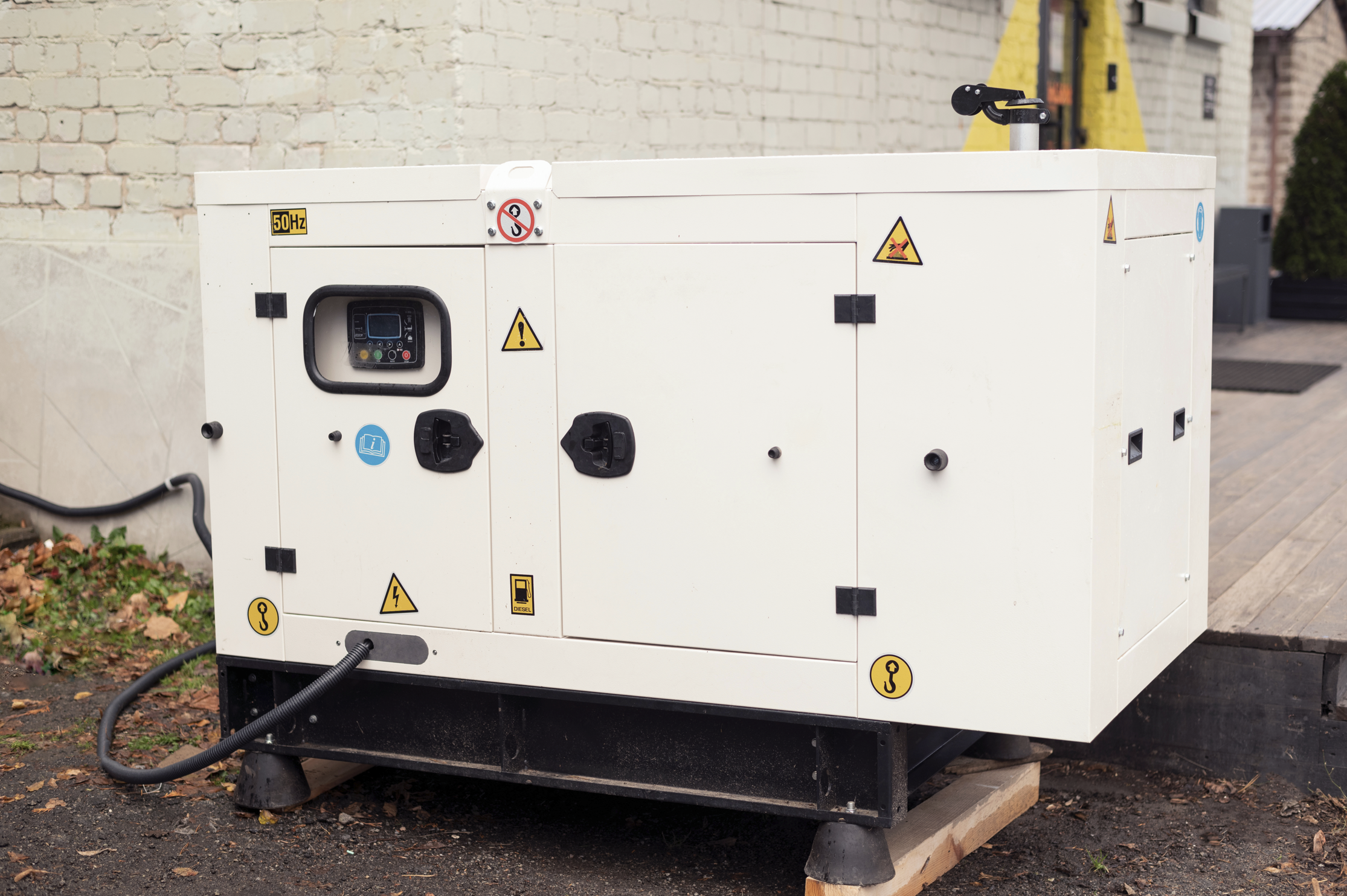
Generators are the backbone of reliable backup power. It steps in when the grid falters and ensures that homes, businesses, public spaces, and essential systems remain functional. But like any hardworking machine, they can develop issues and stop performing. If your property depends on generators for backup power, it’s important to recognize early warning signs to avoid breakdowns and ensure your generator is fully ready when you need it most.
Here are five clear indicators that your generator requires a quick repair check.
Strange Noises During Operation
If your generator suddenly makes rattling, grinding, piercing, or knocking sounds, it’s usually a sign of machine trouble. More often than not, these noises signal loose components or internal damage. While minor vibrations are normal, these unusual sounds should not be ignored, as they can escalate into serious mechanical problems if left unchecked.
Having professional technicians check can quickly pinpoint the issue. As they inspect your machine, they can investigate if the problem lies in the engine, fuel filter, alternator, or another critical system, helping you avoid expensive repairs down the line. Addressing these strange noises promptly ensures your generator continues to deliver reliable performance.
Difficulty Starting or Frequent Stalling
Generators are designed to start promptly and provide consistent power. If yours hesitates, stalls, fails to start, or shuts down altogether, it’s a clear sign that something deeper is wrong. Problems with the fuel system or ignition can all contribute to such starts. These disrupt your backup power and place unnecessary strain on the generator’s internal systems.
With that in mind, it’s essential to call in an expert to fix a clogged fuel line or a failing starter motor – the usual culprits behind this issue. If your generator is left unrepaired, it could leave you powerless during an outage.
Visible Leaks or Unusual Smells
Spotting oil or fuel leaks around your generator should never be dismissed as minor, as these can lead to overheating or even fire hazards. Similarly, unusual smells often indicate electrical problems or compromised seals.
These signs are more serious than the others, so it’s important to seek professional help immediately. For more info, schedule a quick repair check for peace of mind, reduce risks to your property, safeguard those around you, and ensure your generator continues to deliver reliable performance when you need it most.
Inconsistent Power Output
Generators are built to deliver steady electricity, but when lights flicker or voltage fluctuates, it’s a warning sign that should not be overlooked. Inconsistent power output can stem from failing alternators or damaged wiring.
These issues compromise the generator’s ability to provide stable energy. It can harm your sensitive electronics and cause disruptions to your appliances, making a repair or check essential to catch the problem early and prevent costly damage. Consistent power is the very reason you own a generator, so addressing this issue promptly is vital.
Overheating and Excessive Exhaust
A generator that overheats or produces thick, dark exhaust is under stress. Overheating often results from clogged filters or blocked ventilation, while excessive exhaust can signal fuel system problems or engine wear. These symptoms reduce efficiency and pose environmental and safety concerns.
A quick repair check ensures that airflow, fuel delivery, electrical connections, and cooling systems are functioning correctly. You’ll also maintain your generator’s ability to perform during emergencies.
Conclusion
Generators are investments in security and comfort. However, they demand proper care to remain dependable and ready during emergencies. Strange noises, starting troubles, leaks, inconsistent power, and overheating are all signs that a quick repair check is needed. Timely attention also prevents costly breakdowns and protects your property in the long run.
By recognizing these warning signals and acting quickly, you ensure that your generator will be ready to serve when the lights go out.
