



Building a custom automotive system requires careful planning, reliable materials, and components that fit your project. Whether you are working on an exhaust system, turbocharger setup, or custom intake, selecting the right fabrication supplies can make the installation process more manageable.
Ace race parts offers a variety of fabrication components designed for automotive applications, including stainless steel tubing, mandrel bends, clamps, flanges, and specialized fittings. These products help you create custom assemblies based on your vehicle’s requirements.
Through Treal Performance, you can find a selection of these components for different fabrication projects. Understanding their materials, applications, and specifications can help you make informed purchasing decisions.
Why Quality Fabrication Components Matter
Every custom automotive project depends on the quality and compatibility of its components. Properly selected materials help create secure connections, support durability, and maintain the intended design of your system.
For example, an exhaust assembly requires tubing that can tolerate high temperatures, while a turbocharged intake system needs connections suitable for pressurized airflow.
Choosing appropriate components offers several practical advantages:
- Reliable construction: Suitable materials help withstand expected operating conditions.
- Better compatibility: Correct dimensions make it easier to connect individual components.
- Consistent fabrication: Uniform materials and accurate measurements support welding and assembly.
- Long-term durability: Corrosion-resistant materials can help maintain component condition.
- Flexible customization: Different fittings and tubing configurations accommodate unique vehicle layouts.
Understanding these factors allows you to approach your project with greater confidence.
Stainless Steel Components for Exhaust Fabrication
Stainless steel is commonly used in automotive exhaust fabrication because of its resistance to corrosion and ability to withstand demanding operating conditions.
Two frequently used grades are 304 and 321 stainless steel. Both have applications in exhaust construction, although their characteristics and suitability differ.
304 Stainless Steel
Grade 304 stainless steel is commonly selected for exhaust pipes, headers, downpipes, and other fabricated components. Its corrosion resistance and weldability make it a practical choice for many custom automotive projects.
When selecting tubing, consider its outside diameter, wall thickness, and surface finish. These details influence how the material fits with adjoining components.
321 Stainless Steel
Grade 321 stainless steel contains titanium as a stabilizing element, helping resist certain forms of corrosion associated with elevated-temperature exposure. It is often considered for demanding exhaust applications involving repeated heating and cooling.
Your choice should depend on operating temperatures, fabrication requirements, and the conditions your finished system will experience.
How Mandrel Bends Support Custom Pipe Routing
Routing tubing around an engine bay or underneath a vehicle can be challenging when space is limited. Mandrel bends provide curved tubing sections that help you create the required routing without relying entirely on individually cut and welded straight sections.
Unlike some conventional bending methods, mandrel bending helps maintain a more consistent internal diameter through the curve.
Common applications include:
- Custom exhaust systems
- Turbocharger downpipes
- Intercooler piping
- Intake assemblies
- Exhaust headers
Bends are available in different angles, diameters, and centerline radii. Before purchasing, measure the available installation space and determine the routing your project requires.
Aluminum Tubing for Intake and Intercooler Systems
Aluminum tubing is another popular material for automotive fabrication, particularly in applications where reducing component weight is important.
Grade 6061 aluminum offers a useful combination of strength, corrosion resistance, and weldability. It is frequently used for intake piping, intercooler connections, and other custom assemblies.
One advantage of aluminum is its relatively low weight compared with stainless steel. However, the materials are not interchangeable in every application.
For example, aluminum tubing may be suitable for intake airflow, while stainless steel is generally more appropriate for components exposed directly to high exhaust temperatures.
When choosing aluminum components, review the tubing diameter, wall thickness, and compatibility with your intended welding process. Matching tubing with suitable bends, clamps, and silicone couplings can help create a complete assembly.
Understanding V-Band Clamps and Flanges
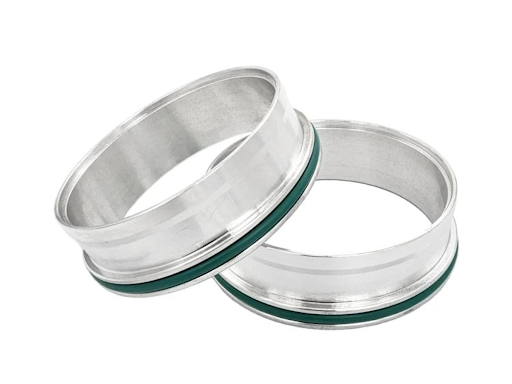
Connections are important in any fabricated automotive system. V-band assemblies provide a method of joining compatible pipe sections using matching flanges and a circular clamp. These connections are frequently used in custom exhaust systems and turbocharger installations.
A properly selected V-band assembly can offer several benefits:
- Convenient access when components require removal
- Compact connections in restricted spaces
- Secure joining of compatible fabricated sections
- Practical servicing of selected exhaust components
Correct sizing is essential because not every flange or clamp uses identical dimensions. Before installation, confirm the flange design, tubing measurements, and clamp compatibility.
Titanium Components for Specialized Fabrication
Titanium is often selected for specialized automotive projects where low weight and suitable high-temperature performance are priorities. Compared with many conventional fabrication materials, titanium offers a favorable strength-to-weight ratio.
It is used in applications such as custom exhaust tubing, downpipes, and other lightweight fabricated assemblies. However, titanium requires careful welding procedures, appropriate shielding gas coverage, and suitable filler materials.
Contamination during welding can affect the quality of the finished joint. If you are considering titanium components, evaluate your fabrication experience, available equipment, and project budget. For demanding applications, professional fabrication assistance may be beneficial.
Choosing the Right Components for Your Vehicle
Before ordering fabrication supplies, identify the specific requirements of your project. Start by determining whether you are building an exhaust system, intake assembly, turbocharger connection, or another custom component.
Next, consider the following factors:
- Material compatibility: Select materials suitable for the operating environment and intended application.
- Accurate measurements: Confirm tubing diameters, wall thicknesses, bend angles, and connection sizes.
- Installation requirements: Determine whether the project requires welding, clamps, specialized tools, or professional assistance.
- Available space: Review nearby vehicle components to avoid clearance problems.
- Maintenance access: Consider whether connections will need to be removed for future servicing.
Taking these steps can help you avoid purchasing incompatible components and reduce unnecessary installation delays.
Common Fabrication Mistakes to Avoid
Even experienced automotive enthusiasts can encounter problems when planning custom assemblies. One common mistake is purchasing components before confirming measurements. Small dimensional differences can prevent parts from fitting together correctly.
Another issue involves selecting materials without considering operating temperatures. You should also avoid combining incompatible flange designs or assuming that all clamps fit similarly sized tubing. Poor welding preparation can create additional difficulties, particularly when working with aluminum, stainless steel, or titanium.
Finally, remember that modifications involving emissions equipment must comply with applicable laws and regulations. Careful planning, accurate measurements, and appropriate installation practices help support a successful project.
Find Quality Components for Your Next Automotive Project
A successful fabrication project begins with suitable materials and a clear understanding of how individual components work together. Whether you are assembling custom exhaust tubing, creating intake piping, or selecting specialized fittings, choosing compatible products can make your project easier to complete.
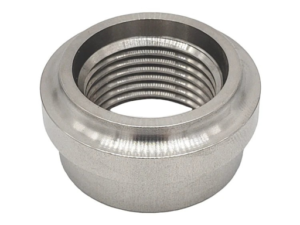
Treal Performance offers a selection of ace race parts for automotive fabrication needs, including tubing, bends, clamps, flanges, and other components.
Business Information:
Business Name: Treal Performance
Address: 2625 NE 65th Ave B101
Vancouver, WA 98661
United States
Phone: (360) 314-2580
Email: [email protected]
Business Hours: Monday–Friday: 9:00 AM – 5:00 PM PST
Website: https://trealperformance.com/
