



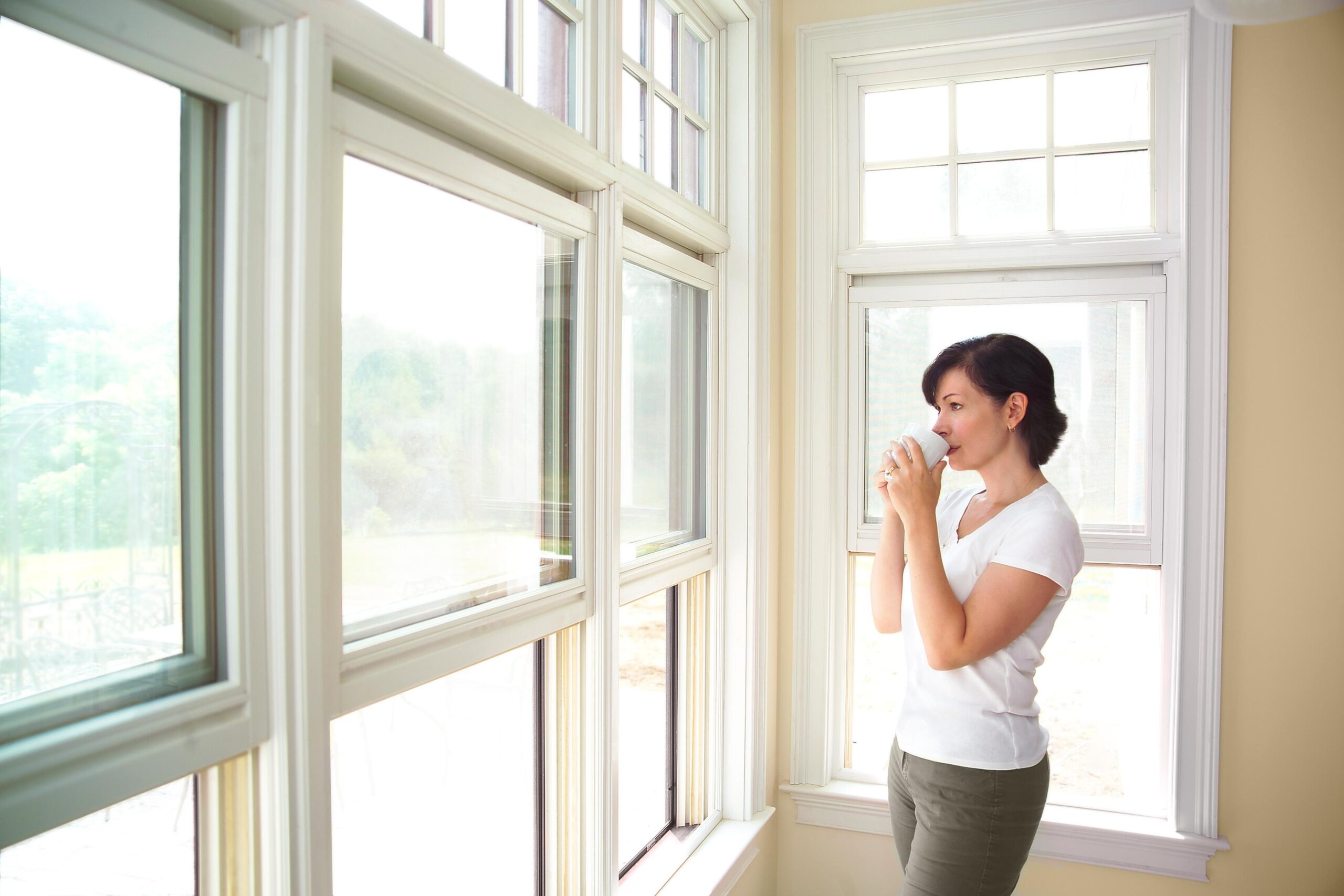
Replacing windows is a significant home improvement decision. New windows can change the appearance of a property, improve comfort, reduce unwanted draughts and contribute to better energy performance. However, choosing the right windows involves more than selecting a frame colour or glass style.
Homeowners should consider the condition of the existing windows, thermal performance, ventilation, security, safety, installation quality, maintenance and overall budget before committing to a replacement project. In the UK, replacement windows can also be subject to Building Regulations, making it important to understand the requirements before work begins.
Start by Assessing Your Existing Windows
Before replacing your windows, examine what is currently installed. Look for condensation between panes, damaged frames, difficult-to-open sashes, draughts, cracked glass, water penetration and deteriorating seals.
Not every problem automatically means that the entire window needs replacing. For example, failed sealed units may sometimes be replaced without replacing the complete frame. If existing windows are still performing reasonably well, other improvements may also be worth considering.
A careful assessment can therefore help you determine whether you need complete replacement, replacement glazing or another form of window improvement.
Think About Energy Efficiency
Energy efficiency should be one of the central considerations when selecting new windows. Windows can influence how much heat escapes from a home, particularly when replacing older single glazing or poorly performing double glazing.
One important specification is the U-value, which measures heat transfer through a building element. Generally, a lower U-value indicates better thermal insulation. However, the performance of a complete window depends on both the glazing and the frame, rather than the glass alone.
When comparing quotations, ask suppliers for the actual performance specifications of the complete window rather than relying only on descriptions such as “energy efficient.”
Choose the Right Glazing
Double glazing is a common choice for modern homes, while triple glazing may be appropriate where additional thermal or acoustic performance is desired.
The right option depends on the property’s construction, orientation, existing insulation, location and individual requirements. Homeowners should avoid assuming that adding more panes automatically makes a window the best choice. The complete system, including the frame, glass, seals and installation, should be considered together.
For older or traditionally styled properties, secondary glazing may also be an alternative worth investigating where replacing the original windows could affect the character of the building.
Do Not Overlook Ventilation
One of the most important considerations during window replacement is ventilation. Modern replacement windows can make a property considerably more airtight. While reducing unwanted draughts can improve comfort, inadequate ventilation can contribute to condensation, dampness and mould.
UK government guidance explains that ventilation should not be made worse when energy-efficiency improvements such as window replacement are carried out. Depending on the property and existing ventilation arrangements, background ventilators such as trickle vents may be required.
This is particularly important in kitchens, bathrooms and other areas where moisture levels can become high.
Consider Safety and Security
Windows should provide more than insulation and visual appeal. Safety and security should be part of the selection process.
Consider features such as robust locking systems, secure handles, suitable opening restrictors and appropriate safety glazing. Certain locations within a home may require safety glass. For example, guidance for replacement glazing identifies critical areas such as glazing close to doors and glazing at low levels above the floor.
Ask the installer how the proposed window design addresses safety requirements for each individual room.
Think About the Style of Your Property
Replacement windows should complement the architecture of the home. A contemporary frame design may suit a modern property, while traditional proportions and finishes may be more appropriate for an older house.
Frame materials can also influence the appearance. uPVC, aluminium and timber each offer different combinations of aesthetics, maintenance requirements, durability and performance.
Rather than choosing purely from a catalogue, consider how the new windows will look from both inside and outside the property.
Pay Attention to Installation Quality
Even high-performance windows can disappoint if they are poorly installed. Correct measurements, preparation of the opening, appropriate sealing, drainage and finishing all contribute to the final result.
A quotation should therefore cover installation as well as the products themselves. Ask what preparation work is included, how existing windows will be removed, how openings will be sealed and what happens if problems are discovered during installation.
Choosing an appropriately qualified installer is also important. GOV.UK advises homeowners to use installers registered with a Competent Person Scheme where appropriate, as this can simplify Building Regulations compliance and provide certification for the completed work.
Understand Building Regulations
Replacement windows in England can fall under Building Regulations, particularly requirements concerning energy efficiency, ventilation and safety glazing.
The current government guidance includes Approved Document L for conservation of fuel and power and Approved Document F for ventilation. The applicable requirements can depend on the property and the nature of the work.
A professional installer should be able to explain which requirements apply and what certification will be provided after completion.
Compare Complete Quotations
Price is naturally important, but comparing only the headline figure can make it difficult to identify the best value.
When reviewing quotations, consider:
- Window material and frame specification
- Type and thickness of glazing
- Thermal performance
- Hardware and locking systems
- Ventilation provisions
- Installation and finishing
- Removal and disposal of old windows
- Guarantees and warranties
- Building Regulations certification
- Aftercare and maintenance
A cheaper quotation may not include the same specification or level of installation service as another quotation, so make comparisons on a like-for-like basis.
Consider Long-Term Maintenance
Different window materials require different levels of maintenance. Think about how much time you want to spend cleaning, inspecting and maintaining your windows over their expected service life.
Also consider hardware and seals. Even a high-quality window benefits from sensible maintenance, including keeping drainage channels clear, cleaning components appropriately and addressing minor problems before they become larger ones.
Consider Noise and Comfort
If your property is close to a busy road, commercial area or other source of outdoor noise, acoustic performance may be an important factor.
Glazing configuration, pane thickness, frame construction and installation can all influence sound reduction. Discuss noise concerns with the installer rather than simply assuming that any double-glazed window will provide the same acoustic performance.
Set a Realistic Budget
Window replacement costs vary considerably depending on the number and size of windows, frame material, glazing specification, property characteristics and installation requirements.
Instead of setting a budget based only on the cheapest quotation, decide which features are priorities. For example, you might place greater emphasis on thermal performance, low maintenance, appearance, security or acoustic insulation.
Obtaining several detailed quotations can help reveal differences in specification and installation rather than simply differences in price.
Choosing a Window Specialist
A reputable window company should be willing to explain its products and installation process clearly. Look for transparent quotations, appropriate certifications, clear guarantees and evidence that the installer understands the requirements of your property.
For homeowners researching replacement solutions, https://safehomeswindowsltd.com/ can be included as a resource when exploring window options and planning a replacement project.
The key is to make the decision based on the complete package: product quality, performance, installation, compliance and long-term support.
Final Thoughts
Replacing windows can be an effective way to improve a property’s comfort, appearance, security and energy performance, but successful results depend on careful planning. Homeowners should assess existing windows, compare glazing and frame options, understand ventilation requirements, consider safety and security, and choose an installer capable of completing the work correctly.
Most importantly, do not judge new windows by appearance or price alone. Looking at their whole-life performance and installation quality can help ensure that your investment delivers practical benefits for many years.
