



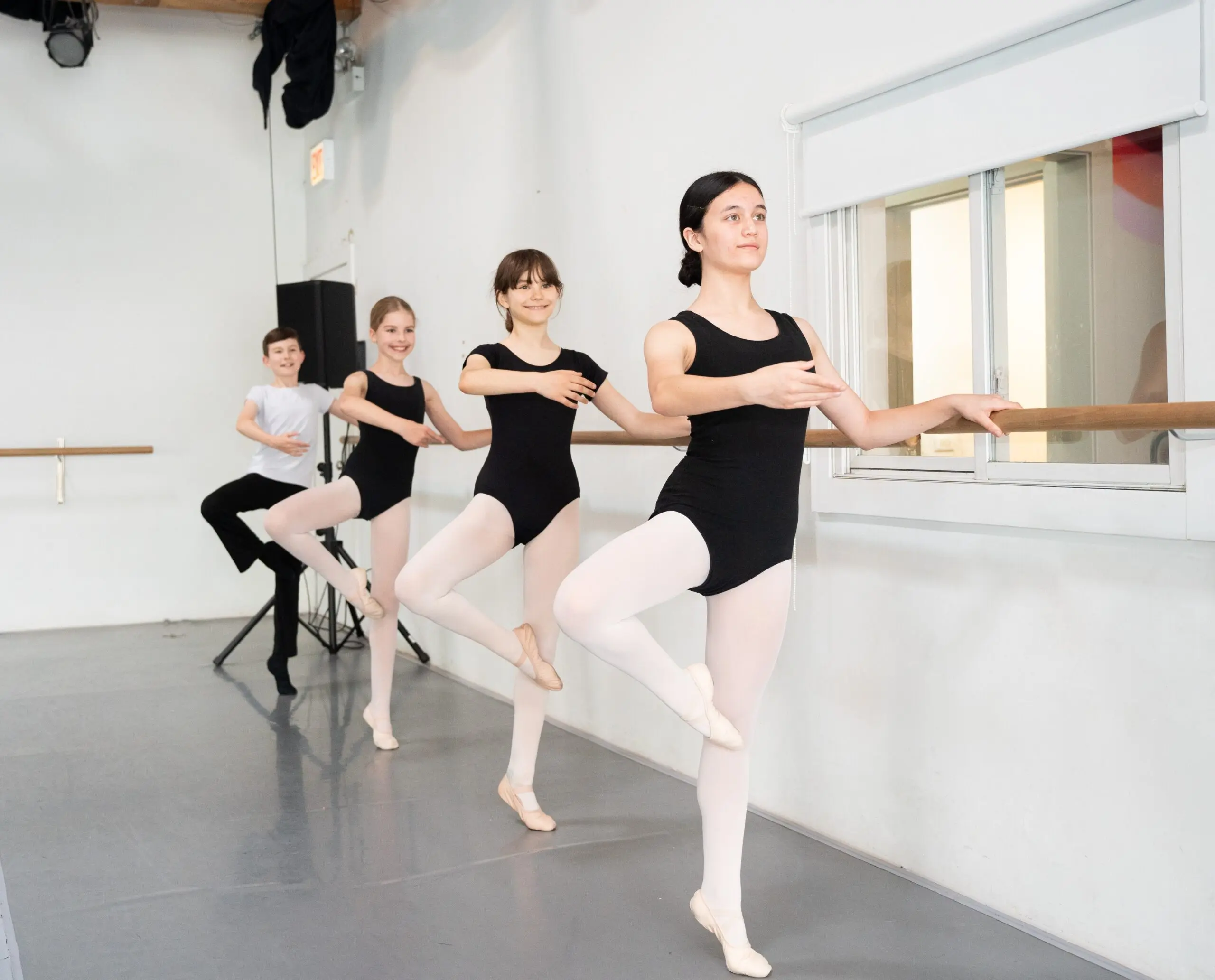
Walk into virtually any dance studio in the world and you will find black. It is the baseline of the studio wardrobe — the color that teachers default to, that students reach for first, and that competition coaches specify when they want a clean, unified look on the floor. The dominance of black dance attire across styles, disciplines, and levels of training is not accidental or arbitrary. It reflects genuine functional, aesthetic, and cultural reasons that have sustained black as the defining color of studio life for as long as formal dance training has existed. Understanding those reasons gives any dancer a more intentional foundation for building their wardrobe.
The Cultural History of Black in the Studio
Black clothing has long been associated with serious artistic practice across multiple disciplines — theater, music, and visual art among them. In dance, the connection runs particularly deep. The black leotard became the functional uniform of ballet training across the twentieth century, adopted for its neutral appearance, its ability to reveal body line without visual interference, and its resilience across the repeated use and washing that serious training demands. From that foundational starting point, black expanded into virtually every other dance form as each discipline developed its own studio culture and professional norms.
Contemporary dance, jazz, hip-hop, and dance fitness have all incorporated black as a wardrobe foundation — each for reasons that overlap with but extend beyond the classical tradition. The result is a near-universal studio aesthetic that communicates a shared set of values across style boundaries: focus, readiness, and professional intention.
Functional Advantages That Have Kept Black Dominant
Beyond tradition, black dance attire offers practical advantages that have kept it central to studio wardrobes across generations of dancers and training environments.
Black is unmatched in its ability to conceal the inevitable marks of an active training environment — sweat, floor contact, and the general wear of a full day in the studio. This durability of appearance makes black pieces more versatile and longer-lasting in a practical sense than lighter colors, which show wear more readily and require more careful management across a heavy training schedule. For dancers who train multiple times per week, this is not a peripheral consideration.
Black also functions as a visual neutral in a way no other color reliably does. It recedes behind movement, directing attention toward line, form, and technical execution rather than toward the clothing itself. For teachers observing technique and for dancers who want their movement — rather than their outfit — to command attention, black performs a genuine functional role that lighter or more saturated colors cannot replicate.
How Black Works Across Dance Disciplines
One of the defining strengths of black as a studio staple is its versatility across dance forms that differ significantly in aesthetic identity, energy, and training convention.
In ballet and classical training, black is traditional and expected — the standard training color that signals participation in a practice with defined norms and a long institutional history. In contemporary and lyrical styles, black provides a neutral base that supports expressive movement without imposing a color context that might conflict with choreographic intention or emotional tone. Jazz and commercial dance use black as a canvas for bolder styling choices — metallic details, cutouts, and textural variation all register more sharply against black than against any other background color. Hip-hop and street styles have made black a foundational part of a broader aesthetic identity that blends training functionality with cultural expression.
Building a Black Dancewear Wardrobe Strategically
For dancers approaching their wardrobe as a genuine investment, black pieces provide the most versatile and lowest-maintenance foundation available. A coordinated set of black training pieces — a leotard or crop top, shorts or leggings, and a complementary layer — functions as a complete, studio-ready look in virtually any training context without requiring deliberate outfit planning or advance coordination.
Quality matters considerably when building around black. Lower-grade dancewear fabrics fade or develop a grey cast after repeated washing, particularly with the frequency that serious training demands. Well-constructed black dancewear maintains its depth of color across full seasons of use when cared for correctly. Cold machine washing, line drying, and keeping performance fabrics away from heat are the primary practices that preserve both color richness and the structural integrity of performance-grade materials over time.
Fewer, better-quality black pieces consistently outperform a larger collection of lower-grade alternatives in both appearance and longevity.
When to Bring Color Into the Picture
Black is the foundation, but it need not be the entirety of a serious dancer’s wardrobe. Color serves a genuine function in performance contexts — competition attire, showcase looks, and stage costumes all benefit from pieces that carry visual energy and read with intention under performance lighting. Strong colors, bold prints, and unexpected combinations deliver impact in those contexts in ways that black alone does not.
The most practical approach is to treat black training pieces as a stable, evergreen base and introduce color deliberately for performance and special occasions. This keeps the day-to-day training wardrobe functional and consistent while leaving room for creative expression when the performance context demands it. A single bold piece worn against a predominantly black training look also draws the eye effectively in a studio environment where personal style is part of the culture.
Tiger Friday’s black collection is designed for exactly this kind of deliberate wardrobe building — quality construction, consistent color depth, and the versatility to anchor a serious dancer’s training wardrobe across an entire season and beyond.
