



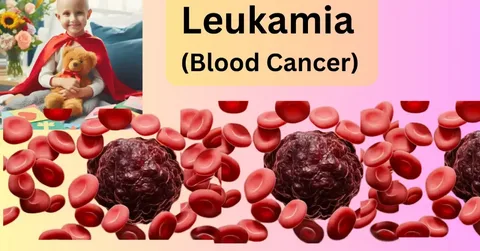
Introduction
Cancer Leukemia is a type of blood cancer that begins in the bone marrow, where blood cells are produced. It affects the body’s ability to create healthy blood cells, leading to an abnormal increase in white blood cells. Early diagnosis and advancements in medical care have significantly improved treatment outcomes, giving many patients a better chance at recovery and long-term management.
What Is Cancer Leukemia?
Cancer Leukemia develops when the bone marrow produces abnormal white blood cells that do not function properly. These unhealthy cells multiply rapidly, crowding out normal blood cells and weakening the body’s immune system. Leukemia can affect both children and adults and is classified into different types based on how quickly it progresses and the type of blood cells involved.
The four main types of leukemia include:
- Acute Lymphoblastic Leukemia (ALL)
- Acute Myeloid Leukemia (AML)
- Chronic Lymphocytic Leukemia (CLL)
- Chronic Myeloid Leukemia (CML)
Each type requires a personalized treatment approach depending on the patient’s age, overall health, and disease stage.
Common Symptoms of Cancer Leukemia
Recognizing the symptoms early can make a significant difference in treatment success. Some of the most common signs include:
- Persistent fatigue and weakness
- Frequent infections
- Easy bruising or bleeding
- Fever and night sweats
- Swollen lymph nodes
- Bone or joint pain
- Unexplained weight loss
If these symptoms persist, consulting a healthcare professional is essential for proper diagnosis and timely treatment.
Diagnosis and Treatment Options
Diagnosing Cancer Leukemia typically involves blood tests, bone marrow biopsy, imaging studies, and genetic testing. These diagnostic methods help determine the specific type of leukemia and guide treatment decisions.
Treatment options may include:
- Chemotherapy
- Targeted therapy
- Immunotherapy
- Radiation therapy
- Stem cell or bone marrow transplantation
The choice of treatment depends on the leukemia subtype and the patient’s individual medical condition.
Advanced Cancer Care at Liv Hospital
Liv Hospital is recognized for providing comprehensive cancer care through advanced diagnostic technologies and multidisciplinary treatment approaches. The hospital’s experienced hematologists, oncologists, and supportive care specialists work together to create personalized treatment plans for leukemia patients. Modern facilities, innovative therapies, and patient-centered care help improve treatment outcomes while supporting patients throughout their recovery journey.
Prevention and Living with Leukemia
Although not all cases of leukemia can be prevented, maintaining a healthy lifestyle, avoiding exposure to harmful chemicals, and attending regular medical checkups may help reduce certain risk factors. Patients diagnosed with leukemia can benefit from emotional support, balanced nutrition, regular follow-up appointments, and adherence to their prescribed treatment plan.
Conclusion
Cancer Leukemia is a serious but increasingly treatable blood cancer thanks to ongoing medical advancements and personalized care. Early diagnosis, access to specialized treatment, and continuous monitoring can greatly improve a patient’s quality of life. Healthcare institutions such as Liv Hospital continue to play an important role in delivering advanced leukemia treatment, giving patients access to innovative therapies and expert medical care.
