



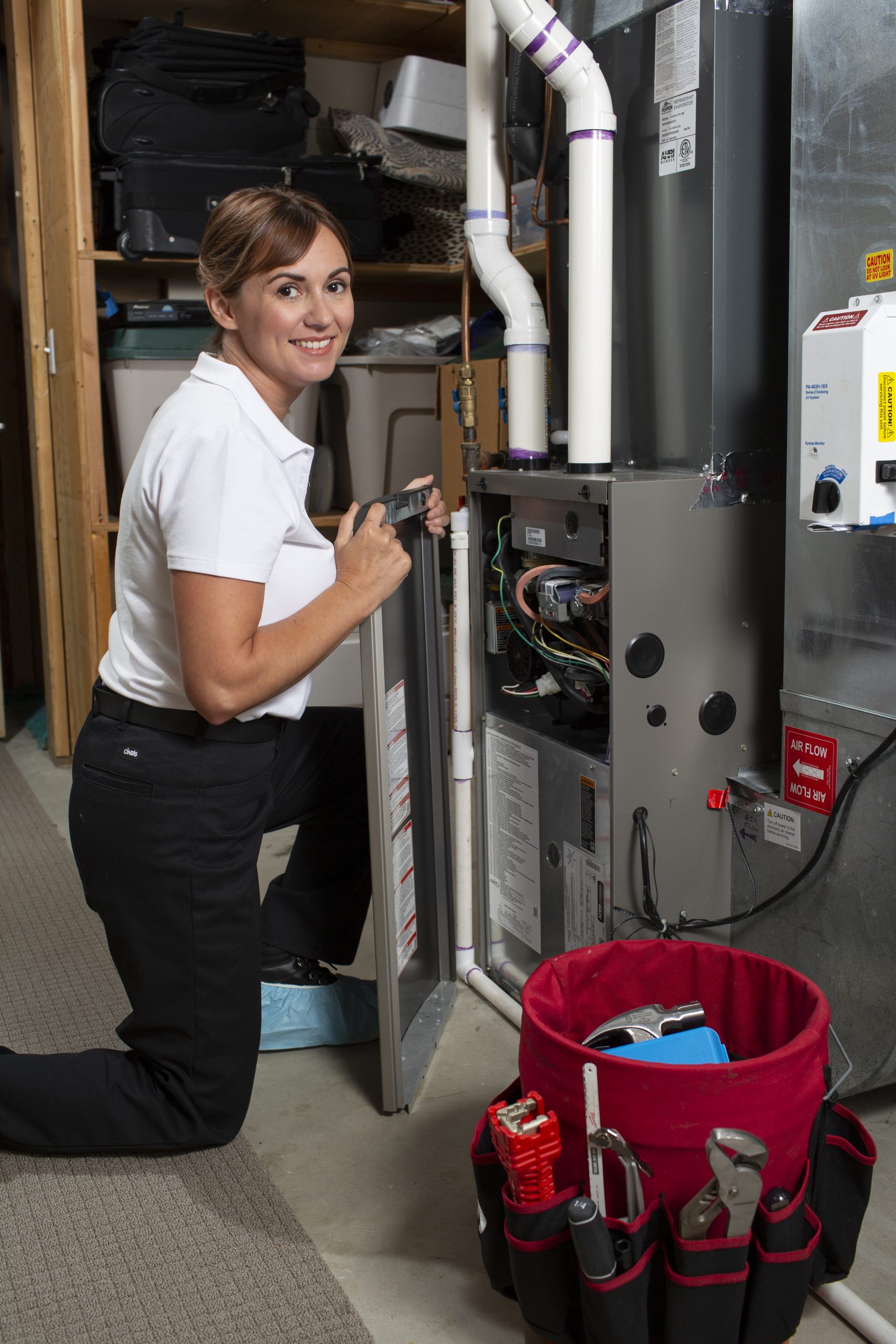
When a furnace starts making unusual noises, blowing cool air, cycling on and off, or failing to maintain a comfortable indoor temperature, scheduling professional service is often the next step. A little preparation before the technician arrives can make the appointment more efficient and help ensure that important symptoms are not overlooked.
For homeowners arranging furnace repair Orange County, knowing what information to gather, what basic checks are safe to perform, and how to prepare the work area can make the entire repair process easier.
Pay Attention to the Symptoms
Before the appointment, take note of exactly what the furnace has been doing. Instead of simply telling the technician that the furnace is “not working,” record specific symptoms.
For example, you may notice that the furnace turns on but produces little heat, shuts down after a few minutes, makes banging or rattling sounds, produces unusual odors, or struggles to heat certain rooms. You may also notice that the thermostat displays an error or that the system repeatedly starts and stops.
Writing these observations down can help the technician understand the problem more quickly.
Check the Thermostat
One of the simplest things to check before a service appointment is the thermostat. Make sure it is set to heating mode and that the desired temperature is higher than the current room temperature.
If the thermostat uses batteries, check whether they need replacement. Also note whether the thermostat display appears normal or shows an error message.
Do not assume that a thermostat problem means the furnace itself is defective. Communication problems between the thermostat and heating system can sometimes produce symptoms that resemble a furnace failure.
Inspect the Air Filter
A dirty or clogged filter can restrict airflow and make a furnace work harder. In some situations, restricted airflow can contribute to overheating or automatic safety shutdowns.
Before the technician arrives, inspect the filter and note its condition. If it is clearly due for replacement, install the correct size and type recommended for your system.
However, replacing the filter should not be considered a complete solution if the furnace continues to malfunction. Problems involving ignition, electrical components, combustion, the blower motor, controls, or heat exchanger require professional attention.
Keep Vents and Returns Clear
Walk through the home and check the supply vents and return-air grilles. Furniture, curtains, rugs, storage containers, and other household items can accidentally restrict airflow.
Keeping these areas accessible can help the furnace distribute heated air more effectively. It also gives the technician useful information about whether poor airflow might be contributing to the comfort problem.
If one room is consistently colder than the rest of the house, make a note of it and tell the technician during the appointment.
Clear Access to the Furnace
Technicians need sufficient working space around the furnace. If the equipment is located in a garage, closet, attic, utility room, crawlspace, or another confined area, remove unnecessary storage items from the immediate work area.
Clear access can make it easier for the technician to inspect the equipment, open appropriate service panels, test components, and identify the source of the problem.
You should not remove furnace panels yourself unless the equipment’s instructions specifically identify a panel as homeowner-accessible.
Gather Your Furnace Information
If possible, locate the furnace’s manufacturer, model number, and approximate installation date. This information can be useful when diagnosing problems and determining which replacement components may be appropriate.
You can also gather previous service records, maintenance receipts, warranty information, and notes about previous repairs.
If the furnace has experienced the same problem before, tell the technician what was repaired and when the issue returned.
Make a List of Questions
A repair appointment is a good opportunity to understand what caused the problem and what can be done to prevent similar issues.
Consider asking:
- What caused the furnace problem?
- Is the repair temporary or a long-term solution?
- Are any other components showing signs of wear?
- Is the furnace operating safely after the repair?
- Are there maintenance steps I should follow?
- Does the system need additional testing?
- What warning signs should I watch for in the future?
Clear questions can help you understand the recommended repair rather than simply focusing on getting the furnace running again.
Secure Pets and Prepare the Household
If you have pets, place them somewhere secure before the technician arrives. This can prevent accidental escapes and allow the technician to work without distractions.
It is also helpful to let household members know when the appointment is scheduled. If possible, have an adult available to explain the symptoms and answer questions about the furnace’s recent performance.
Do Not Attempt Dangerous Repairs Yourself
Homeowners can generally handle simple tasks such as checking thermostat settings, replacing an accessible filter, and removing obvious obstructions around vents. More complicated furnace work should be left to a qualified professional.
Do not attempt to adjust gas controls, modify combustion components, bypass safety switches, work on high-voltage electrical components, or disassemble internal furnace components. Gas combustion and electrical systems can create serious safety hazards when improperly handled.
If you smell gas, suspect carbon monoxide, see flames where they should not be, or encounter another immediate safety concern, leave the area and contact the appropriate emergency or utility service rather than waiting for a routine repair appointment.
Prepare for Possible Recommendations
After inspecting the furnace, a technician may recommend a repair, additional maintenance, replacement of a worn component, or further diagnostic testing.
A professional should be able to explain what was found and why a particular repair is being recommended. If multiple repairs are possible, ask about the differences in expected performance, longevity, and cost.
For an older furnace with repeated problems, the technician may also discuss whether continued repairs or eventual replacement should be considered. This does not necessarily mean replacement is immediately required; the decision should depend on the equipment’s condition, safety, repair needs, efficiency, and your household’s circumstances.
Why Preparation Matters for Orange County Homeowners
Orange County homes can have different heating requirements depending on the property, insulation, system design, and local climate conditions. Even though heating systems may not operate as heavily as they do in colder regions, a furnace still needs to be reliable when temperatures drop.
Preparing for an appointment allows the technician to spend more time diagnosing the actual issue instead of searching for basic information or working around unnecessary obstacles.
Whether the problem involves airflow, the thermostat, ignition, a blower component, electrical controls, or another part of the heating system, accurate information can help make the service visit more productive.
Final Checklist Before the Technician Arrives
Before your appointment, take a few minutes to:
- Write down unusual noises, odors, or performance problems.
- Check the thermostat settings and batteries if applicable.
- Inspect the air filter.
- Make sure vents and return grilles are not blocked.
- Clear storage items away from the furnace.
- Gather model and maintenance information.
- Keep previous repair records available.
- Secure pets.
- Write down questions for the technician.
- Avoid attempting gas, combustion, or complex electrical repairs yourself.
Conclusion
A furnace repair appointment does not have to be complicated. By observing the symptoms, checking simple homeowner-accessible items, clearing the equipment area, and gathering useful information, you can help the technician diagnose the problem more efficiently.
For homeowners arranging furnace repair Orange County, preparation is especially valuable because it creates a clearer picture of what the heating system has been experiencing. Most importantly, leave complex mechanical, electrical, gas, and combustion work to qualified professionals so the furnace can be repaired with safety as a priority.
