



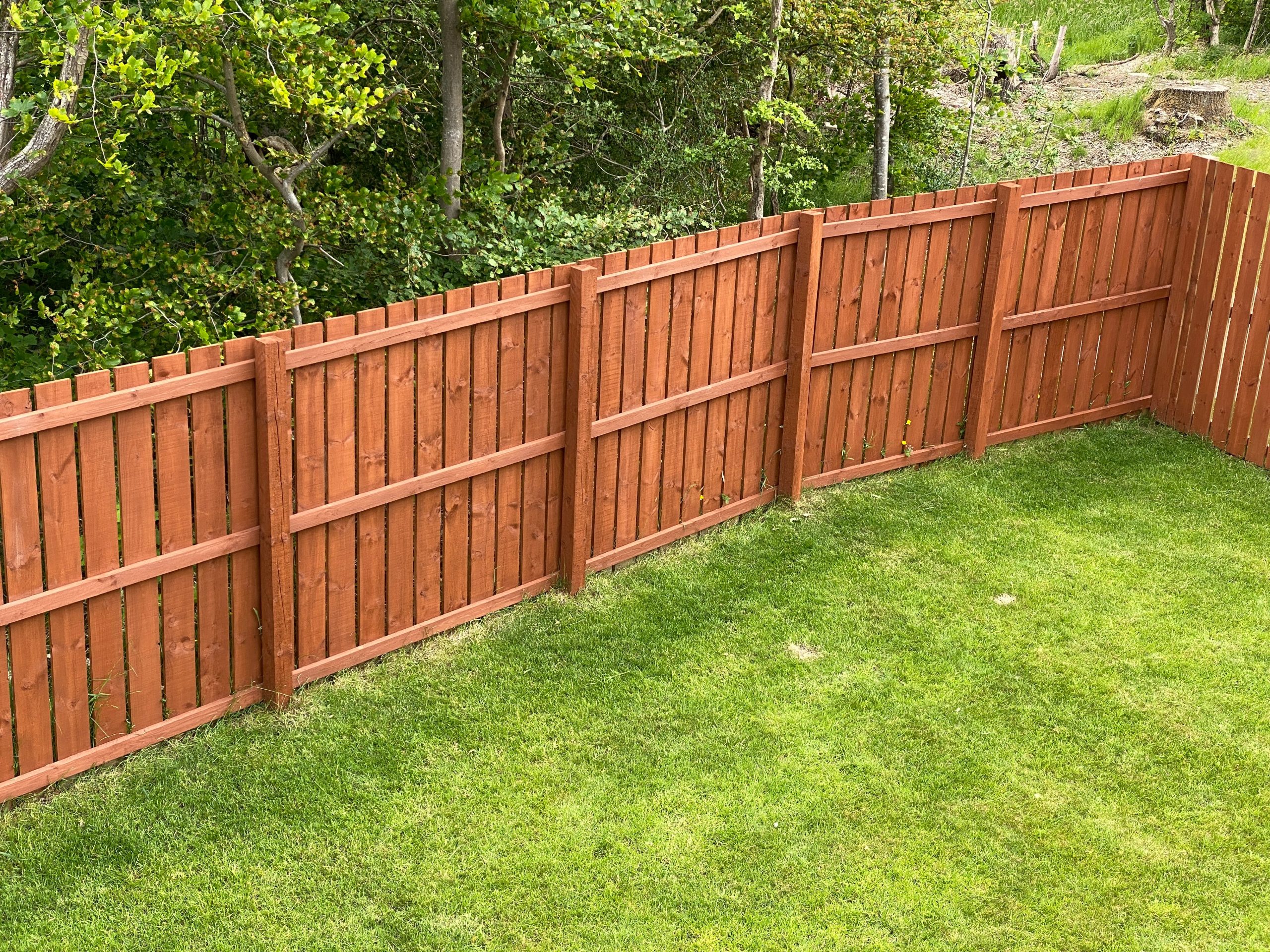
When planning a new fence, one of the most common questions homeowners ask is: how long do wood fences actually last? It’s a fair question—after all, a fence is both a functional investment and a visual feature of your property. The lifespan of a wood fence isn’t fixed; it depends on the type of wood, weather conditions, installation quality, and how well you maintain it over time. In this guide, we’ll break down everything you need to know so you can make informed decisions and get the most out of your fence.
Average Lifespan of Wood Fences
On average, wood fences last 10 to 20 years. However, this range can vary significantly:
- Basic untreated wood fences: 5–10 years
- Pressure-treated wood fences: 10–15 years
- High-quality wood (like cedar or redwood): 15–25 years
With proper care and maintenance, some wood fences can even last beyond 25 years, while neglected ones may deteriorate much faster.
Factors That Affect the Lifespan of Wood Fences
1. Type of Wood Used
Not all wood is created equal. The type you choose plays a major role in durability.
- Cedar: Naturally resistant to rot and insects, making it a popular long-lasting option
- Redwood: Highly durable and resistant to decay, but more expensive
- Pine (Pressure-Treated): Affordable and widely used, but requires regular maintenance
- Spruce/Fir: Budget-friendly but less resistant to weather and pests
Higher-quality wood typically costs more upfront but pays off in longevity.
2. Climate and Weather Conditions
Your local environment has a big impact on how long wood fences last.
- High humidity and rain can lead to rot and mold
- Extreme heat and sun exposure can cause warping and cracking
- Snow and freezing conditions can weaken structural integrity over time
If you live in an area with harsh weather, your fence will require more frequent upkeep.
- Installation Quality
Even the best materials won’t last long if the fence isn’t installed properly.
- Posts should be set deep enough (usually at least 2 feet into the ground)
- Proper drainage around posts helps prevent water damage
- Using galvanized or stainless steel fasteners prevents rust
A poorly installed fence may start leaning or rotting within just a few years.
4. Maintenance Routine
Regular maintenance is one of the most important factors in extending the life of wood fences.
Key maintenance tasks include:
- Cleaning the fence annually
- Applying sealant or stain every 2–3 years
- Inspecting for damage like loose boards or rot
- Repairing small issues before they become major problems
Neglecting maintenance is the fastest way to shorten your fence’s lifespan.
5. Pest and Insect Exposure
Wood is vulnerable to pests like termites and carpenter ants.
- Untreated wood is especially at risk
- Termite damage can weaken the structure quickly
- Preventative treatments and inspections help avoid costly repairs
Choosing naturally resistant wood or treated lumber can reduce this risk.
Signs Your Wood Fence Is Aging
Even with proper care, all wood fences eventually show signs of wear. Here’s what to watch for:
- Warping or twisting boards
- Rotting wood, especially near the base
- Loose or missing nails and screws
- Leaning or unstable posts
- Discoloration or fading
Catching these issues early can help extend the life of your fence through repairs.
How to Extend the Life of Your Wood Fence
If you want your wood fence to last as long as possible, a little effort goes a long way.
Seal and Stain Regularly
Applying a protective sealant or stain helps guard against moisture, UV rays, and insects.
Keep It Clean
Dirt and mildew can trap moisture. Washing your fence once a year helps prevent decay.
Ensure Proper Drainage
Avoid water pooling around the base of your fence posts.
Trim Nearby Vegetation
Plants and vines can hold moisture against the wood and speed up deterioration.
Perform Routine Inspections
Check for damage at least once or twice a year and fix issues promptly.
Repair vs. Replace: When to Decide
At some point, repairs may no longer be enough. Here’s how to decide:
- Repair if damage is minor and limited to a few boards or sections
- Replace if posts are rotting, the fence is leaning, or damage is widespread
If more than 20–30% of the fence is damaged, replacement is often more cost-effective.
Final Thoughts
Wood fences offer a classic look and natural charm, but their lifespan depends heavily on the choices you make—from materials to maintenance. While the average lifespan ranges from 10 to 20 years, a well-built and properly maintained fence can last much longer. By understanding what affects durability and taking proactive steps, you can protect your investment and enjoy your fence for years to come.
