



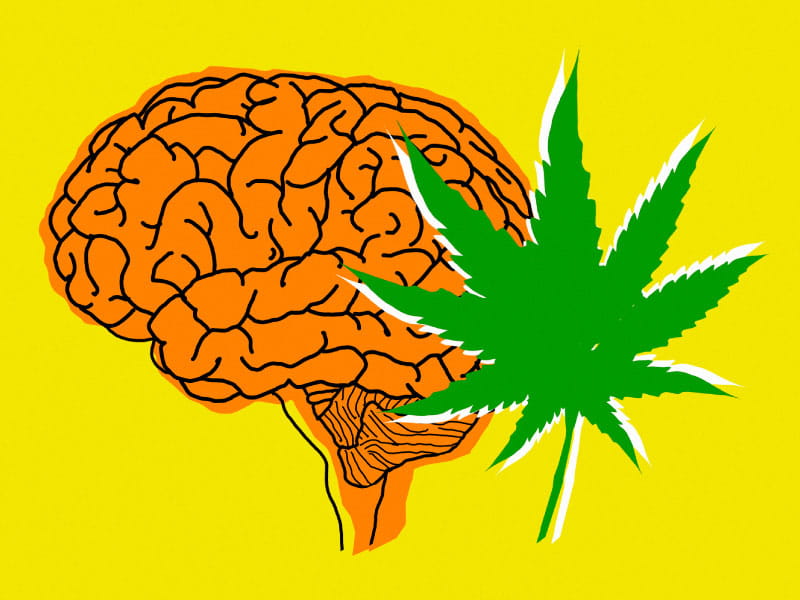
How Cannabis Interacts with the Brain
Cannabis primarily affects the brain through compounds called cannabinoids, the most well-known being THC (tetrahydrocannabinol). THC interacts with the brain’s endocannabinoid system, a network responsible for regulating mood, memory, appetite, and pain.
Contents
ToggleThis system includes receptors—especially CB1 receptors—found in areas like:
- The hippocampus (memory)
- The prefrontal cortex (decision-making)
- The amygdala (emotions)
When cannabis is used occasionally, these interactions are temporary. However, long-term use can lead to more persistent changes in how these brain regions function.
Memory and Learning: Subtle but Real Changes
One of the most consistently studied effects of long-term cannabis use is its impact on memory and learning. The hippocampus, which plays a key role in forming new memories, is particularly sensitive to THC.
Research suggests that heavy, long-term users may experience:
- Reduced ability to retain new information
- Difficulty concentrating over extended periods
- Slower processing of complex tasks
While some cognitive functions may recover after stopping use, studies indicate that prolonged exposure—especially starting in adolescence—can lead to longer-lasting effects.
Brain Structure and Function
Neuroscience imaging studies have revealed subtle structural and functional differences in the brains of long-term cannabis users.
Key findings include:
- Slight reductions in hippocampal volume
- Altered connectivity between brain regions
- Changes in reward system responsiveness
These changes don’t necessarily mean severe impairment, but they suggest the brain adapts to ongoing cannabis exposure. The degree of change often depends on factors like frequency of use, dosage, and age of onset.
Emotional Regulation and Mental Health
Long-term cannabis use has complex links to mental health. While some individuals use cannabis to manage anxiety or stress, neuroscience shows that chronic use may actually alter emotional regulation over time.
Possible effects include:
- Increased risk of anxiety disorders
- Heightened likelihood of depressive symptoms
- In some cases, a connection to psychosis, particularly in genetically vulnerable individuals
The amygdala, which governs emotional responses, can become more reactive or dysregulated with prolonged THC exposure.
Motivation and Reward System
Cannabis affects the brain’s dopamine system, which plays a crucial role in motivation and reward. Long-term use may lead to what some researchers describe as “blunted” reward sensitivity.
This can manifest as:
- Reduced motivation for goal-directed activities
- Lower responsiveness to natural rewards
- Increased reliance on cannabis for pleasure or relaxation
However, it’s important to note that these effects vary widely between individuals and are influenced by lifestyle, environment, and mental health.
Adolescent Use: A Critical Concern
Neuroscience strongly emphasizes that age matters. The brain continues developing into the mid-20s, particularly in areas responsible for decision-making and impulse control.
Long-term cannabis use during adolescence may:
- Interfere with normal brain development
- Increase risk of cognitive deficits
- Heighten vulnerability to mental health disorders
Because of this, many experts consider early and heavy use the most significant risk factor for long-term neurological impact.
Can the Brain Recover?
The brain is remarkably adaptable, thanks to a property called neuroplasticity. Some studies suggest that stopping cannabis use can lead to partial or even significant recovery in cognitive function over time.
Recovery depends on:
- Duration and intensity of use
- Age at which use began
- Overall health and lifestyle
Short-term users tend to recover more quickly, while long-term heavy users may experience slower or incomplete improvement.
Modern Trends and Accessibility
With cannabis becoming more accessible, many people are exploring new ways to obtain it, including online platforms. A common question today is where can you buy weed online, reflecting the shift toward digital marketplaces in regions where it is legal. While accessibility has increased, neuroscience reminds us that convenience should be balanced with awareness of potential long-term effects.
Final Thoughts
Neuroscience does not paint cannabis as purely harmful or harmless—it presents a nuanced picture. Long-term use can lead to measurable changes in brain function, particularly in memory, emotional regulation, and motivation. However, the extent of these effects varies widely depending on individual circumstances.
Understanding these findings empowers individuals to make informed decisions. As cannabis continues to evolve in both cultural and legal contexts, staying grounded in scientific evidence is essential for maintaining both brain health and overall well-being.
