



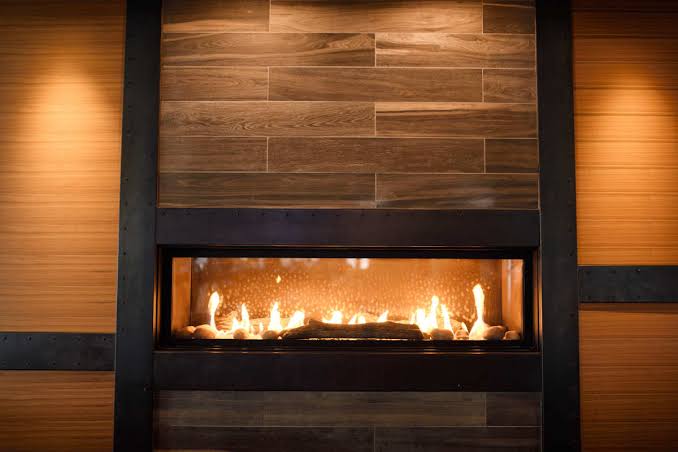
A fireplace can bring warmth and character to a Rockville home, particularly when temperatures fall and families begin spending more time indoors. Whether a fireplace is used every evening during winter or only on special occasions, the chimney connected to it plays an important role in moving smoke and combustion gases outside.
Because most of the chimney is difficult to see from inside the house, maintenance can easily be forgotten. Soot, creosote, leaves, animal nests, moisture, and other debris can accumulate over time. Structural components can also deteriorate as they are exposed to changing weather conditions.
For homeowners in Rockville, understanding how to care for a chimney can help preserve fireplace performance and reduce the possibility of unexpected problems.
Why Rockville Chimneys Need Regular Attention
A chimney is exposed to the elements throughout the year. Maryland weather can bring heavy rain, humidity, strong winds, snow, freezing temperatures, and rapid temperature changes. Each of these conditions can affect masonry and other chimney components.
Water is particularly problematic. If flashing, mortar joints, the chimney crown, or the cap becomes damaged, moisture can enter areas that are normally protected. Over time, this can contribute to cracked masonry, deteriorating mortar, staining, and other structural concerns.
Temperature changes can make existing damage worse. When moisture enters porous masonry and freezes, it expands. Repeated freezing and thawing can gradually weaken vulnerable areas.
Regular attention gives homeowners an opportunity to identify these issues before they become more extensive.
What Builds Up Inside a Chimney?
Wood-burning fireplaces produce smoke that contains various combustion byproducts. As smoke moves through the flue, some of these substances can settle along the interior walls.
Soot is one common residue, but creosote is particularly important because it is combustible. Creosote develops as smoke and other combustion products cool and condense inside the chimney. Depending on conditions, it can appear as a soft, flaky material or become thick and hardened.
The more frequently a fireplace is used, the more important it becomes to monitor the condition of the flue. Burning damp wood can also produce more smoke and contribute to increased deposits.
Removing accumulated material helps maintain a cleaner pathway for exhaust and allows professionals to identify potential concerns during the maintenance process.
Why Cleaning Is About More Than Appearance
A dirty chimney isn’t simply a cosmetic problem.
Excessive buildup can restrict airflow and affect how efficiently smoke leaves the fireplace. Heavy deposits can also provide combustible material inside the flue.
A chimney fire can generate extremely high temperatures and potentially damage components that aren’t designed to withstand such conditions. Damage may not always be obvious from the fireplace opening.
Regular cleaning is therefore part of responsible fireplace care, especially for households that use wood-burning appliances frequently.
Homeowners researchingchimney sweep services in Rockville, MD can consider professional maintenance when their chimney requires cleaning or when they aren’t certain about its current condition.
Watch for Changes in Fireplace Performance
Your fireplace can provide useful clues about the condition of its ventilation system.
Smoke that enters the living room instead of moving upward may indicate a draft or obstruction issue. Persistent smoky odors, difficulty starting or maintaining a fire, or noticeable changes in airflow should also be investigated.
Unusual sounds can provide another warning. Scratching, movement, or chirping noises may indicate that animals have entered the chimney. Birds and small mammals can build nests that interfere with ventilation.
A fireplace that behaves differently from previous seasons shouldn’t automatically be assumed to be experiencing a temporary issue. Changes in performance are worth discussing with a qualified professional.
The Chimney Cap Has an Important Job
The small structure covering the top of a chimney can protect the system from several external threats.
A properly functioning cap helps limit the amount of rain, leaves, branches, and other debris that can enter the flue. It can also make it more difficult for birds and other animals to access the chimney.
If the cap becomes damaged or displaced, the chimney may become more vulnerable to moisture and debris.
Homeowners can visually check the cap from a safe location, but they shouldn’t climb onto the roof simply to inspect it. Roof access can create its own safety risks. If there is a concern about the chimney top, a professional can evaluate it using appropriate equipment.
Moisture Problems Should Be Addressed Early
Water damage often develops gradually, which makes it easy to overlook.
Signs may include white staining on masonry, crumbling mortar, cracked bricks, damp odors, or water marks around the fireplace. These symptoms don’t always identify the exact source of the moisture, since water can travel through masonry before becoming visible.
Flashing around the chimney is another area that deserves attention. Damaged flashing can allow water to enter where the chimney passes through the roof.
Addressing moisture intrusion early can help protect the chimney and reduce the possibility of more extensive repairs later.
Choosing the Right Wood for Your Fireplace
Homeowners can also influence chimney condition through everyday fireplace habits.
Dry, properly seasoned firewood generally produces a cleaner burn than freshly cut or excessively wet wood. Damp wood tends to create more smoke, which can contribute to faster accumulation of deposits.
A fireplace should never be used to burn household trash, plastics, painted wood, treated lumber, or other materials that aren’t intended for combustion.
Using the appliance according to the manufacturer’s recommendations helps support proper operation and can reduce unnecessary stress on the chimney.
Inspection and Sweeping Serve Different Purposes
Chimney sweeping and inspection are often discussed together, but they aren’t identical.
Sweeping focuses on removing soot, creosote, and debris from the flue. Inspection focuses on evaluating the condition of the chimney and related components.
A professional may recommend both services depending on the chimney’s age, usage, condition, and maintenance history.
For example, a chimney that hasn’t been serviced for several years may require cleaning as well as an evaluation for hidden deterioration. A recently cleaned chimney may still require inspection if the homeowner notices unusual performance or if the fireplace system has been modified.
Understanding the difference can help homeowners choose the appropriate service rather than assuming that cleaning addresses every possible concern.
Preparing Before the Colder Months
Waiting until the first cold evening to discover a chimney problem can be inconvenient.
Before regular fireplace use begins, homeowners can look for visible signs of exterior deterioration and make sure the area around the fireplace is clear of unnecessary combustible materials.
Smoke and carbon monoxide alarms should also be installed and maintained according to applicable safety recommendations. Carbon monoxide is especially important because it cannot be detected through normal sight or smell.
If the fireplace hasn’t been used for a long period, professional evaluation can be particularly useful. Animals, debris, moisture, and structural changes may have affected the system while it was inactive.
Make Chimney Care Part of Homeownership
A chimney may seem like a simple part of the house, but it performs an essential function whenever a fireplace operates. Keeping it in good condition involves more than removing visible soot.
Homeowners should consider the entire system, including the flue, masonry, cap, crown, flashing, fireplace, and ventilation pathway. Regular cleaning, appropriate inspections, good burning practices, and prompt attention to warning signs can all contribute to better long-term performance.
For Rockville homeowners, seasonal weather makes proactive care particularly worthwhile. Addressing moisture intrusion, buildup, obstructions, and deterioration before they become serious can help protect both the fireplace and the surrounding structure.
A well-maintained chimney allows homeowners to enjoy their fireplace with greater confidence. Instead of waiting for smoke problems, water damage, or structural deterioration to demand attention, make chimney care a routine part of maintaining a safe, comfortable, and functional home.
