



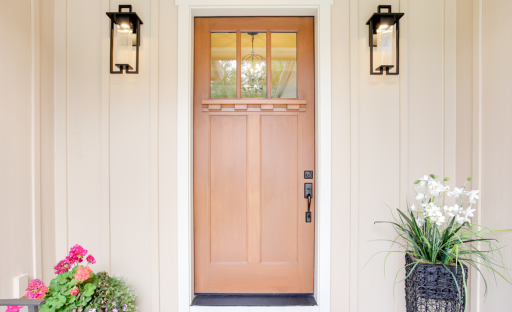
Picture this: After a weekend of hard work refinishing your front door, you step back to admire your handiwork, only to discover uneven coloring, drip marks, and a finish that feels tacky to the touch. What should have been a satisfying DIY project has turned into a frustrating disappointment.
If this scenario sounds familiar—or if you’re hoping to avoid it altogether—you’re in the right place. Refinishing an exterior wood door can transform your home’s curb appeal and protect your door from the elements, but it’s also a project where small mistakes can lead to disappointing results.
Unlike interior doors, exterior doors face harsh conditions: relentless sunlight, rain, temperature fluctuations, and daily use. This exposure makes proper refinishing not just about aesthetics, but about protection and longevity. While DIY refinishing can save money and provide a sense of accomplishment, knowing the common pitfalls beforehand can make the difference between amateur-looking results and a finish that looks professionally done.
In this guide, we’ll walk through the most common mistakes homeowners make when refinishing exterior wood doors and show you how to avoid them for beautiful, lasting results.
Understanding Your Door Before StartingMistake #1: Failing to identify the wood type and existing finish
One of the biggest mistakes happens before you even pick up a tool: not knowing what you’re working with. Different wood species respond differently to stains and finishes. Oak, with its open grain, absorbs stain readily, while maple and pine can become blotchy without proper preparation.
Take time to identify your door’s wood type before purchasing materials. If you’re unsure, take a clear photo to your local hardware store or consult with a door professional.
Similarly, understanding the existing finish is crucial. Is it varnish, polyurethane, or paint? Each requires a different approach to removal. A simple test: apply a small amount of denatured alcohol to an inconspicuous area. If the finish softens, it’s likely shellac. If acetone softens it, it’s probably lacquer. If neither affects it, you’re dealing with varnish or polyurethane.
Mistake #2: Overlooking structural damage
That beautiful stain won’t fix a door that’s structurally compromised. Before refinishing, carefully inspect your door for:
- Splitting or cracking wood
- Soft spots indicating rot
- Warping or swelling
- Loose joints between panels
These issues need addressing before refinishing begins. Filling minor cracks is straightforward, but significant rot or warping may require professional repair or even door replacement.
Mistake #3: Not properly assessing weather damage
Sun exposure often affects doors unevenly. The bottom half usually shows more wear than the top, and south or west-facing doors may have severe UV damage on one side while the other remains relatively intact.
Make a thorough assessment of your door’s condition to determine if certain areas need extra attention, such as additional sanding or specialized UV-blocking finishes.
Learn more about how weather damages wood doors
Preparation Errors to AvoidMistake #4: Skipping or rushing preparation
The quality of your refinishing project is directly proportional to the quality of your preparation. Rushing through prep work is a recipe for disappointment.
Proper preparation is at least 70% of a successful refinishing project. This includes thorough cleaning, complete hardware removal, proper sanding, and creating ideal working conditions. Skimping on these steps might save time initially but will cost you in the final appearance and durability.
Mistake #5: Failing to remove hardware properly
That “quick” approach of taping around hardware instead of removing it? It almost always results in sloppy edges and finishes that peel away from the taped areas.
Take the time to completely remove:
- Doorknobs and locks
- Strike plates
- Hinges (when possible)
- Weather stripping
- Kickplates
Use small bags or containers to keep track of screws and components, labeling each one clearly. This organization will save you frustration during reassembly.
Mistake #6: Inadequate cleaning before refinishing
Years of exposure leave exterior doors with layers of dirt, grime, and environmental residue that can prevent proper adhesion of your new finish.
Clean the door thoroughly with a mild detergent solution, avoiding harsh chemicals that can damage the wood. For stubborn grime, a mixture of warm water and TSP (trisodium phosphate) works well, but requires thorough rinsing afterward.
Mistake #7: Working in unsuitable weather conditions
The weather plays a crucial role in door refinishing success. Humidity above 80% or below 30% can cause problems with drying and curing. Similarly, temperatures below 50°F or above 90°F affect how finishes perform.
Check the weather forecast before starting and plan your project for days with moderate temperatures and humidity. Also consider direct sunlight—working in full sun can cause finishes to dry too quickly, resulting in lap marks and uneven application.
Stripping and Sanding MistakesMistake #8: Using the wrong stripping method
Chemical strippers and sanding each have their place in refinishing projects. Using the wrong approach wastes time and can damage your door.
For doors with intricate detailing or multiple layers of finish, chemical strippers often work best, allowing you to get into crevices that sandpaper can’t reach. For simpler doors or those with light finishes, sanding might be more efficient.
If using chemical strippers, common mistakes include:
- Not allowing sufficient dwell time (usually 15-30 minutes)
- Applying too thin a layer
- Not neutralizing the stripper afterward
- Working without proper ventilation
Mistake #9: Improper sanding techniques
Always sand with the grain of the wood, never against it or in circular motions. Cross-grain sanding creates scratches that become painfully visible once stain is applied.
Start with a medium-grit sandpaper (80-100 grit) to remove the old finish, then progressively move to finer grits (120, 150, 180, and finally 220 for the final sanding). This progression creates the smooth surface necessary for even stain absorption.
For panel doors, be careful not to sand through the veneer at edges where it’s typically thinnest. Use a sanding block for flat surfaces to ensure even pressure and avoid creating dips or uneven areas.
Mistake #10: Inadequate dust removal between steps
Even tiny dust particles can ruin an otherwise perfect finish, creating bumps, rough texture, or poor adhesion. After sanding, use multiple methods to ensure all dust is removed:
- Vacuum the door surface with a brush attachment
- Wipe with a tack cloth
- Follow with a microfiber cloth slightly dampened with mineral spirits
Allow the door to dry completely before moving to the staining phase.
Staining and Finishing ErrorsMistake #11: Skipping wood conditioner on blotch-prone woods
Some woods, particularly pine, maple, cherry, and birch, have uneven density that causes them to absorb stain unevenly, resulting in blotchy finishes. If your door is made from one of these species, pre-stain wood conditioner is not optional—it’s essential.
Apply the conditioner following the manufacturer’s instructions (typically 15 minutes before staining), and don’t skip areas thinking they won’t be noticeable. Blotching has a way of being painfully obvious in the finished product.
Mistake #12: Poor stain application techniques
Even with good preparation, stain application technique matters tremendously. Common mistakes include:
- Applying too much stain: Excess stain doesn’t penetrate the wood and creates a tacky, uneven surface. Apply moderately and wipe off excess after the recommended penetration time.
- Not stirring the stain thoroughly: Stain pigments settle, and an unmixed can results in inconsistent color.
- Uneven wiping technique: Wipe in the direction of the wood grain with consistent pressure.
- Allowing the stain to dry before wiping excess: This creates a blotchy, uneven appearance. Most stains should be wiped off within 5-15 minutes of application.
For panel doors, work in a logical sequence: stain the panels first, then the horizontal rails, and finally the vertical stiles. This approach minimizes overlap marks at the joints.
Mistake #13: Choosing the wrong exterior finish
Interior finishes simply won’t hold up on exterior doors. They lack the UV inhibitors and flexibility needed to withstand outdoor conditions.
For exterior doors, choose products specifically designed for outdoor use:
- Marine-grade varnish
- Exterior polyurethane with UV protection
- Spar urethane
Expect to apply at least three coats for adequate protection, allowing proper drying time between coats as specified by the manufacturer—typically 24 hours or more.
Mistake #14: Improper finish application
The perfect stain job can be ruined by poor topcoat application. Common finishing mistakes include:
- Shaking instead of stirring the finish: Shaking creates bubbles that become permanent once dried.
- Using low-quality brushes: Invest in a high-quality natural bristle brush for oil-based finishes or a synthetic brush for water-based products.
- Not sanding lightly between coats: A light sanding with 320-grit paper between coats creates better adhesion and a smoother final result.
- Applying in direct sunlight: This causes the finish to dry too quickly, leading to visible brush marks and poor leveling.
Learn more about properly refinishing exterior wood doors
Weather-Related MistakesMistake #15: Not accounting for sun exposure
Doors facing south or west receive more intense UV exposure, causing finishes to break down faster. For these doors:
- Choose finishes with the highest UV protection available
- Consider lighter stain colors, which reflect more sun than darker ones
- Plan on refinishing more frequently (every 2-3 years versus 4-5 for less exposed doors)
- Apply an additional coat of protective finish
Mistake #16: Inadequate bottom edge protection
The bottom edge of exterior doors is particularly vulnerable to water absorption, yet it’s often the most neglected area during refinishing.
Always seal the bottom edge of the door with multiple coats of finish, even if it isn’t visible. Water wicking up from the bottom is a primary cause of door failure, causing swelling, delamination, and rot.
Timing and Tool SelectionMistake #17: Underestimating the time required
A proper exterior door refinishing isn’t a one-day project. Realistic timelines include:
- Preparation and stripping: 1 day
- Sanding and repair: 1 day
- Staining: 1 day
- Applying finish coats: 2-3 days (including drying time between coats)
Plan your project for a period of consistently good weather, accounting for drying times that can’t be rushed.
Mistake #18: Using low-quality tools and materials
The difference between professional-looking results and amateur hour often comes down to the quality of tools and materials used.
Areas worth investing in:
- Quality brushes appropriate for your finish type
- High-grade sandpaper that cuts well and lasts longer
- Premium exterior finishes with UV protection
- Pre-stain conditioners for blotch-prone woods
The price difference between economy and premium products is often minimal compared to the time you’re investing in the project and the frequency of refinishing.
When to Consider Professional Door Refinishing
While DIY refinishing can be rewarding, some situations call for professional help:
- Doors with significant damage or rot
- Historic or antique doors with special value
- Highly detailed doors with intricate carvings
- Lack of proper workspace or tools
- Time constraints that might lead to rushed work
Professional residential door refinishing services offer expertise that comes from years of experience working with different wood types and finishes. They have specialized tools, controlled environments, and access to professional-grade products that may not be available to consumers.
Learn more about professional wood door refinishing services
Maintenance After RefinishingMistake #19: Neglecting ongoing maintenance
Even the best refinishing job requires maintenance to maximize its lifespan. Create a maintenance schedule that includes:
- Semi-annual inspection for signs of finish failure
- Cleaning with appropriate wood cleaners (avoid ammonia or harsh chemicals)
- Application of a refresher coat when the finish begins to look dull
- Immediate attention to any areas where the finish has cracked or peeled
With proper maintenance, an exterior door finish can last years longer before requiring complete refinishing.
Conclusion
Refinishing an exterior wood door is undoubtedly a project that rewards attention to detail and patience. By avoiding these common mistakes, you can achieve results that not only look beautiful but also provide lasting protection for your door.
Remember that proper preparation, quality materials, and correct application techniques are the foundation of success. Don’t rush the process, and pay special attention to the areas most vulnerable to weather damage.
If you find yourself overwhelmed by the process or want professional-level results without the learning curve, Desert Rose Door specializes in exterior door refinishing throughout Mesa, AZ and surrounding communities. Our experienced craftsmen understand the unique challenges of the Arizona climate and provide custom finishing solutions that enhance your door’s beauty while providing maximum protection.
Ready to transform your exterior door with expert refinishing? Contact Desert Rose Door today at 480-272-7074 for a consultation and personalized quote for your door refinishing project.
