



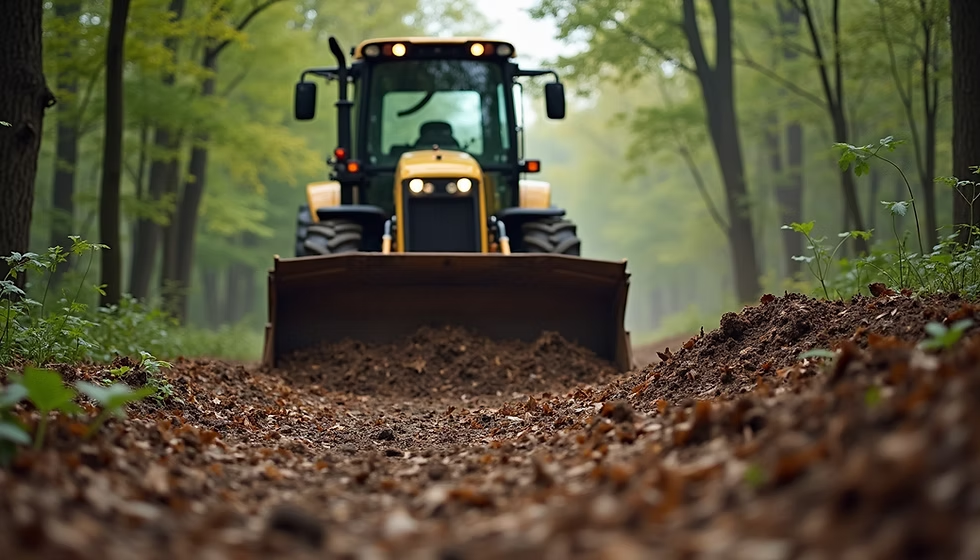
Land clearing is often associated with large bulldozers and expensive machinery. However, many property owners, gardeners, and small-scale farmers successfully perform land clearing using simple tools and practical techniques. Whether you’re preparing a garden, improving your property, or managing overgrown land, there are several effective ways to clear land without relying on heavy equipment.
Contents
ToggleBelow are some of the most efficient and environmentally friendly methods to accomplish land clearing using minimal tools.
1. Manual Clearing with Basic Hand Tools
One of the most traditional methods of land clearing is using basic hand tools. While this approach requires physical effort, it is highly effective for small to medium-sized areas.
Common tools used include:
-
Machetes
-
Hand saws
-
Pruning shears
-
Axes
-
Shovels
-
Hoes
These tools allow you to cut down small trees, remove brush, and dig out unwanted plants. Manual clearing also gives you greater control over which vegetation stays and which is removed, making it ideal for landscaping projects or garden preparation.
2. Cutting and Mulching Vegetation
Instead of removing every plant entirely, another useful land clearing technique is cutting vegetation and turning it into mulch. Small trees, branches, and shrubs can be cut down and chipped or shredded.
The resulting mulch can be reused to:
-
Improve soil moisture retention
-
Reduce weed growth
-
Add organic matter to the soil
This method not only clears the land but also benefits the soil, making it an eco-friendly solution for property owners.
3. Solarization for Weed and Grass Removal
Solarization is a natural method of land clearing that works especially well for eliminating weeds and grass. The process involves covering the ground with clear plastic sheets for several weeks during hot weather.
The trapped heat builds up underneath the plastic and kills weeds, seeds, and harmful soil organisms. Over time, the vegetation dies off, making the land easier to clear and prepare for planting or construction.
This technique is particularly effective for:
-
Garden beds
-
Small plots of land
-
Areas with stubborn weed growth
4. Controlled Burning (Where Permitted)
In some regions, controlled burning is a traditional land clearing method used to remove dry grass, brush, and small plants. When done carefully and in accordance with local regulations, burning can quickly clear vegetation and return nutrients to the soil.
However, safety precautions are essential. Always check local laws and fire safety guidelines before attempting this method. Controlled burning should only be performed under suitable weather conditions and with proper supervision.
5. Girdling Trees to Remove Larger Vegetation
For larger trees that are difficult to cut down without equipment, girdling can be an effective land clearing strategy. This technique involves removing a strip of bark around the tree trunk, which stops the flow of nutrients and gradually causes the tree to die.
Over time, the tree dries out and becomes easier to remove or cut down manually. Girdling is often used in areas where immediate removal is not necessary and where gradual land clearing is acceptable.
6. Using Livestock for Natural Clearing
Animals such as goats and sheep can assist in land clearing by naturally grazing on unwanted vegetation. Goats, in particular, are well known for eating shrubs, weeds, and small plants that other animals avoid.
Benefits of this method include:
-
Natural vegetation control
-
Reduced labor
-
Eco-friendly land management
Many landowners use temporary fencing to direct livestock to specific areas that need clearing.
7. Gradual Clearing and Composting
Another sustainable land clearing method involves removing vegetation gradually and composting the organic materials. Branches, leaves, and plant matter can be collected and turned into compost piles.
This process helps recycle nutrients back into the soil while slowly transforming overgrown land into usable space. Although it takes more time, gradual clearing is ideal for those who want an environmentally responsible approach.
Final Thoughts
Clearing land does not always require expensive machinery or professional equipment. With the right techniques and a bit of patience, effective land clearing can be achieved using simple tools, natural processes, and strategic planning.
Methods such as manual cutting, mulching, solarization, livestock grazing, and gradual composting offer practical alternatives that are both cost-effective and environmentally friendly. By choosing the right approach for your land size and vegetation type, you can successfully prepare your property for gardening, farming, or development without relying on heavy equipment.
