



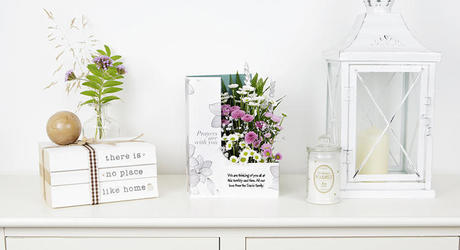
Grief is one of the most challenging experiences anyone can face. During such emotional times, even the simplest gesture of kindness can provide reassurance and comfort. While words alone cannot ease the pain of losing a loved one, thoughtful actions such as sending sympathy flowers accompanied by a heartfelt message can remind someone that they are surrounded by care and support.
Flowers have long been associated with remembrance, peace, and hope. Their beauty offers a gentle reminder that compassion exists even in life’s most difficult moments. Combined with a personal condolence message, they become a meaningful expression of sympathy that recipients often remember long after the flowers have faded.
When choosing thoughtful Sympathy Cards, pairing them with fresh flowers and a sincere personal message creates a comforting gesture that expresses compassion in a respectful and meaningful way.
Why Sympathy Flowers Continue to Be a Meaningful Gesture
Sending flowers after the loss of a loved one has been a tradition across many cultures for generations. Although customs may vary, the purpose remains the same—to express condolences, honor the memory of the deceased, and offer emotional support to grieving family members and friends.
Unlike spoken words, flowers provide a visual expression of sympathy that can brighten a difficult day. They create a peaceful atmosphere and serve as a reminder that others are thinking of those who are grieving.
Some reasons sympathy flowers remain meaningful include:
- They communicate care when words are difficult to find.
- They honor the memory of the person who has passed away.
- They provide comfort during funeral services or at home.
- They remind grieving families that they are not alone.
- They offer a respectful way to express condolences from a distance.
The gesture itself often speaks louder than lengthy conversations.
The Importance of a Personalised Condolence Message
While flowers are beautiful, the accompanying message often becomes the most treasured part of the gift. A sincere note can provide emotional reassurance and become something the recipient keeps for years.
Many people worry about finding the perfect words, but sympathy messages do not need to be elaborate. Honest and compassionate language is usually the most meaningful.
A thoughtful message should:
- Express genuine condolences.
- Acknowledge the loss.
- Offer comfort without trying to explain grief.
- Let the recipient know they are remembered.
- Provide encouragement and support.
The most comforting messages come from the heart rather than from complicated wording.
Choosing Flowers That Reflect Sympathy
Different flowers have traditionally been associated with remembrance and compassion. Understanding their symbolism can help create a more meaningful arrangement.
Lilies
Lilies are among the most popular sympathy flowers. They traditionally represent purity, peace, and the hope of renewal, making them a common choice for funerals and memorial services.
White Roses
White roses symbolize respect, reverence, innocence, and remembrance. Their elegant appearance conveys heartfelt sympathy while expressing admiration for the life that has been lived.
Chrysanthemums
In many European and Asian cultures, chrysanthemums are closely associated with honoring those who have passed away. They symbolize respect, loyalty, and remembrance.
Forget-Me-Nots
These delicate flowers represent lasting memories and enduring love. Their symbolic meaning makes them especially appropriate when expressing ongoing support for grieving families.
Seasonal Mixed Flowers
Seasonal floral arrangements combine beauty with freshness and often create a calm, comforting display suitable for expressing sympathy in a gentle way.
When Should Sympathy Flowers Be Sent?
Timing can be important when expressing condolences. Although many people choose to send flowers immediately after hearing about a loss, sympathy flowers remain appropriate even after the funeral.
Suitable occasions include:
- Shortly after learning of the passing.
- Before or during the funeral service.
- Following the funeral when visitors become fewer.
- On anniversaries or remembrance dates.
- During holidays when grief often feels more intense.
Receiving an unexpected gesture of kindness weeks later can provide significant emotional comfort.
Writing a Heartfelt Sympathy Message
Many people hesitate because they fear saying the wrong thing. Fortunately, sincerity matters far more than finding perfect words.
Keep It Simple
Simple messages often have the greatest emotional impact.
Examples include:
- Thinking of you during this difficult time.
- My heartfelt condolences to you and your family.
- Wishing you peace and comfort in the days ahead.
- You are in my thoughts and prayers.
- Sending love and strength during this difficult time.
Share a Personal Memory
If you knew the deceased, mentioning a positive memory can bring comfort.
For example:
- I will always remember their kindness.
- Their warmth touched everyone they met.
- Their generosity will never be forgotten.
- They made a lasting difference in so many lives.
Personal memories celebrate a life well lived.
Offer Practical Support
If possible, provide a specific offer rather than a general statement.
Instead of saying:
“Let me know if you need anything.”
Consider saying:
- I’m happy to help with meals this week.
- Please call if you need someone to talk to.
- I’d be glad to assist with errands whenever needed.
Specific support often feels more genuine and helpful.
Sympathy Flower Etiquette
While there are no strict rules, observing a few basic etiquette guidelines helps ensure your gesture is appropriate.
Consider the Family’s Preferences
Some families request charitable donations instead of flowers, while others welcome floral tributes. Respecting these wishes demonstrates sensitivity.
Choose Calm, Elegant Arrangements
Soft colors such as white, cream, pale pink, lavender, and light blue are commonly associated with sympathy because they create a peaceful atmosphere.
Include a Personal Card
Never send sympathy flowers without a message. Even a few heartfelt sentences make the gift more personal and meaningful.
Respect Cultural Traditions
Different cultures have different mourning customs. Being aware of religious or cultural practices helps ensure your gesture is respectful.
Supporting Someone Beyond the Funeral
Grief continues long after funeral services end. Many people receive the most support during the first few days, only to feel increasingly isolated afterward.
Meaningful ways to continue supporting someone include:
- Sending a thoughtful card several weeks later.
- Remembering important anniversaries.
- Checking in with a simple phone call or message.
- Offering practical assistance when needed.
- Listening without trying to fix their grief.
Consistent kindness often provides greater comfort than one-time gestures.
Why Thoughtful Gestures Leave a Lasting Impression
Sympathy is not about finding perfect words or expensive gifts. It is about showing compassion during a time when someone feels vulnerable and overwhelmed.
A bouquet of fresh flowers paired with a heartfelt message becomes a reminder that others care. Many grieving families remember these acts of kindness for years because they reflect genuine empathy rather than obligation.
Simple gestures often carry the greatest emotional value.
Conclusion
Expressing sympathy is never about removing someone’s grief—it is about reminding them they do not have to face it alone. Whether through carefully chosen flowers, a handwritten message, or a thoughtful act of kindness, sincere expressions of compassion can provide lasting comfort during life’s most difficult moments. Even a small gesture can make a meaningful difference to someone navigating loss.
Sending thoughtful Sympathy Cards together with a heartfelt personal message and beautiful flowers offers a respectful way to express condolences, honor cherished memories, and provide comfort to those experiencing grief.
Frequently Asked Questions
1. What flowers are most appropriate for expressing sympathy?
Lilies, white roses, chrysanthemums, and forget-me-nots are among the most meaningful sympathy flowers. They symbolize peace, remembrance, respect, purity, and lasting memories, making them suitable choices for expressing heartfelt condolences.
2. What should I write in a sympathy card?
Keep your message sincere and compassionate. Express your condolences, acknowledge the loss, and let the recipient know they are in your thoughts. A few honest words often provide more comfort than a lengthy message.
3. Is it appropriate to send sympathy flowers if I cannot attend the funeral?
Yes. Sending sympathy flowers is a respectful way to express condolences when you cannot be present in person. It lets the grieving family know they are remembered and supported despite the distance.
4. When is the best time to send sympathy flowers?
Sympathy flowers are commonly sent soon after learning about the loss, but they can also be sent after the funeral or on anniversaries and remembrance dates. Support is often appreciated long after formal services have ended.
5. Why are personalised condolence messages important?
A personalised message adds emotional value to your gesture. It shows genuine care, provides comfort during difficult moments, and often becomes a meaningful keepsake that grieving families treasure for many years.
