



Skincare has evolved significantly over the past decade, with advanced technologies becoming more accessible for everyday use. One innovation that has gained widespread attention is LED light therapy. Originally developed for clinical and medical settings, this non-invasive treatment is now commonly used by people looking to improve their skincare routine without harsh procedures or extended recovery time.
LED light therapy uses different wavelengths of light to target specific skin concerns, making it a versatile option for individuals with varying skincare goals. Whether someone wants to improve skin texture, reduce the appearance of blemishes, or support a youthful complexion, understanding how this technology works can help them make informed decisions.
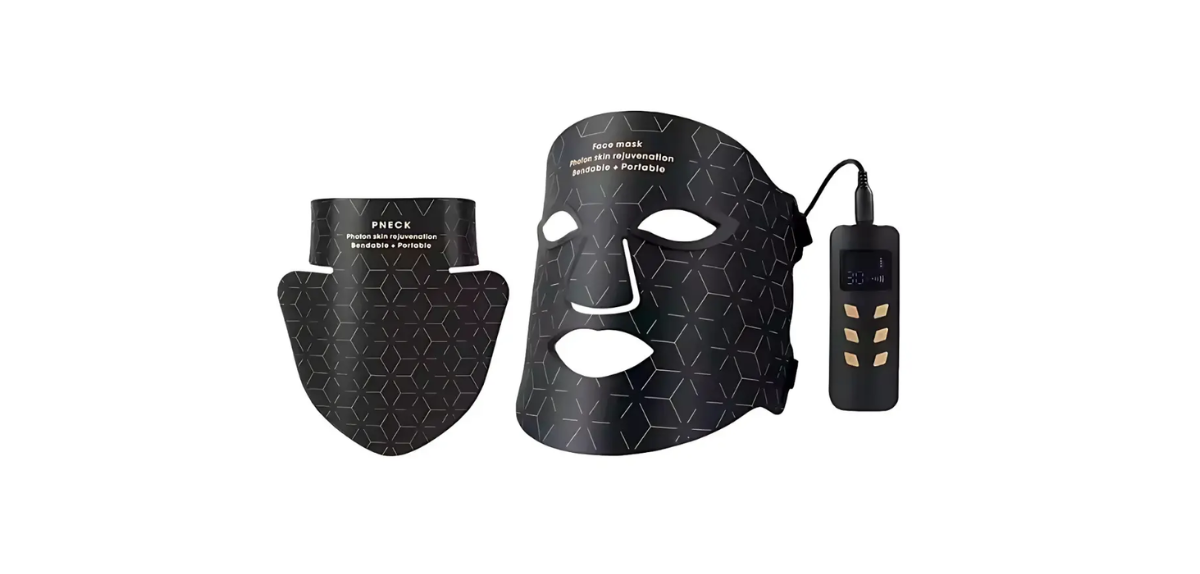
Many skincare enthusiasts choose a face and neck led mask because it allows light therapy to reach both commonly treated areas during a single skincare session.
What Is LED Light Therapy?
LED stands for Light Emitting Diode. Unlike ultraviolet (UV) light, LED therapy uses visible wavelengths that do not damage the skin. Instead, different colors of light penetrate the skin at varying depths to encourage natural biological processes.
The treatment works without causing burns, cuts, or peeling. This makes it an attractive option for people who prefer gentle skincare methods while maintaining consistent routines.
Over time, regular sessions may help improve the overall appearance of the skin by supporting natural repair processes.
How LED Light Interacts with the Skin
Human skin naturally responds to different wavelengths of light. Each wavelength travels to a different depth beneath the skin’s surface and stimulates various cellular activities.
When light reaches skin cells, it can encourage energy production within the mitochondria, often referred to as the “powerhouse” of the cell. Increased cellular energy supports normal skin renewal and maintenance.
Because different colors target different concerns, many modern LED systems include multiple light options rather than relying on a single wavelength.
Common LED Light Colors and Their Benefits
Red Light
Red light is among the most researched wavelengths in skincare.
It is commonly associated with:
- Supporting collagen production
- Improving skin elasticity
- Softening the appearance of fine lines
- Encouraging smoother-looking skin
- Supporting natural skin repair
Many people include red light sessions in anti-aging skincare routines due to its gentle nature.
Blue Light
Blue light primarily targets the surface of the skin.
Potential benefits include:
- Helping reduce acne-causing bacteria
- Supporting clearer-looking skin
- Minimizing breakouts
- Reducing excess oil appearance
It is often recommended for individuals with oily or acne-prone skin.
Green Light
Green light is frequently used to address uneven skin tone.
Possible benefits include:
- Improving the appearance of pigmentation
- Supporting brighter-looking skin
- Helping create a more even complexion
Although research continues, many users appreciate green light as part of pigmentation-focused skincare.
Yellow Light
Yellow light is generally considered soothing.
It may help:
- Reduce the appearance of redness
- Improve skin comfort
- Support healthy circulation
- Refresh tired-looking skin
People with sensitive skin often include yellow light in calming skincare routines.
Near-Infrared Light
Near-infrared light penetrates deeper than visible light.
It is often used for:
- Supporting deeper skin tissues
- Enhancing skin recovery
- Improving overall skin resilience
Although invisible to the eye, near-infrared technology plays an important role in many advanced LED devices.
Why Treat Both the Face and Neck?
Many skincare routines focus only on facial skin, but the neck experiences similar environmental exposure and natural aging.
Ignoring the neck can lead to visible differences between the two areas over time.
Treating both regions together offers several advantages:
- More balanced skincare
- Consistent appearance
- Improved overall routine
- Better coverage of commonly exposed skin
- Convenient treatment sessions
Since neck skin is generally thinner than facial skin, maintaining consistent care can be especially beneficial.
Benefits of Regular LED Therapy
While results vary from person to person, consistent LED therapy may support healthier-looking skin in several ways.
Improved Skin Texture
Regular sessions may help smooth rough areas and promote a softer surface.
This can make skincare products apply more evenly while enhancing the skin’s natural appearance.
Healthier Complexion
Many users report brighter-looking skin after several weeks of consistent use.
Improved cellular activity may contribute to a fresher appearance over time.
Support for Collagen
Collagen naturally declines with age.
Although LED therapy does not replace collagen instantly, supporting natural collagen production may help reduce the appearance of aging over time.
Gentle Skincare Option
Unlike aggressive treatments, LED therapy generally requires no downtime.
Most people can return to their normal routine immediately after treatment.
How to Use LED Therapy Effectively
Consistency is one of the most important factors in achieving noticeable improvements.
A typical routine may include:
- Cleanse the skin thoroughly.
- Remove makeup completely.
- Dry the skin gently.
- Select the appropriate light setting.
- Complete the recommended treatment duration.
- Apply moisturizer afterward.
- Use sunscreen during daytime routines.
Following manufacturer instructions is always recommended for safe and effective use.
Combining LED Therapy with Skincare Products
LED therapy works best when paired with a balanced skincare routine.
Helpful products include:
- Gentle cleansers
- Hydrating serums
- Moisturizers
- Hyaluronic acid
- Peptide-based products
- Sunscreen
Avoid using highly irritating ingredients immediately before treatment unless advised by a skincare professional.
Who May Benefit from LED Therapy?
LED treatments may be suitable for many adults looking to improve their skincare routine.
People often consider LED therapy if they want to address:
- Fine lines
- Dull skin
- Uneven texture
- Mild acne
- Redness
- Early signs of aging
- Overall skin maintenance
However, individuals with certain medical conditions or photosensitivity should consult a healthcare professional before beginning treatment.
Safety Considerations
LED light therapy is generally considered safe when used correctly.
For the best experience:
- Follow usage instructions carefully.
- Avoid staring directly into bright LEDs.
- Wear protective eyewear if recommended.
- Keep devices clean.
- Do not exceed suggested treatment times.
- Stop use if unusual irritation develops.
Responsible use contributes to both safety and consistent results.
Managing Expectations
One of the biggest misconceptions about LED therapy is expecting immediate transformation.
Visible improvements usually require patience.
Factors affecting results include:
- Age
- Skin type
- Lifestyle
- Sun exposure
- Hydration
- Overall skincare routine
- Consistency of treatments
Most people notice gradual improvements over several weeks rather than overnight changes.
Lifestyle Habits That Support Better Skin
Technology works best alongside healthy daily habits.
Simple lifestyle practices include:
- Drinking enough water
- Eating nutrient-rich foods
- Getting quality sleep
- Managing stress
- Wearing sunscreen daily
- Avoiding smoking
- Following a consistent skincare routine
These habits support overall skin health while complementing LED treatments.
Conclusion
LED light therapy has become a valuable addition to modern skincare because it offers a gentle, non-invasive way to support healthier-looking skin. By understanding the role of different light wavelengths and maintaining realistic expectations, users can make informed choices that fit their skincare goals. Consistency, proper skincare habits, and safe usage remain the key factors in achieving the best long-term results.
For individuals interested in supporting both facial and neck skincare in one routine, learning about a face and neck led mask can provide additional insight into how comprehensive LED light therapy fits into modern skincare practices.
FAQs
1. How often should LED light therapy be used?
Most people begin with three to five sessions each week, depending on the device instructions and their skincare goals. Consistency is more important than long sessions. After several weeks, many users transition to maintenance treatments once or twice weekly while continuing a healthy skincare routine.
2. Is LED light therapy suitable for sensitive skin?
LED therapy is generally considered gentle because it does not involve heat damage or harsh chemicals. However, individuals with highly sensitive skin, certain medical conditions, or light sensitivity should consult a healthcare professional before starting treatments to ensure it is appropriate for their circumstances.
3. Can LED light therapy replace a skincare routine?
No. LED therapy works best as a complement to daily skincare rather than a replacement. Cleansing, moisturizing, sun protection, and maintaining healthy lifestyle habits remain essential. Combining these practices with consistent LED sessions often provides more balanced and long-lasting skincare results.
4. How long does it take to notice results?
Results vary based on skin type, treatment consistency, and the concerns being addressed. Some people observe subtle improvements after several weeks, while others require longer periods. Maintaining realistic expectations and following recommended treatment schedules helps achieve the most noticeable long-term improvements.
5. Are there any side effects associated with LED light therapy?
When used correctly, LED light therapy is generally well tolerated by most users. Mild temporary redness may occasionally occur but usually resolves quickly. Following the manufacturer’s guidelines, avoiding excessive treatment durations, and seeking medical advice if unusual reactions appear can help ensure safe use.
