



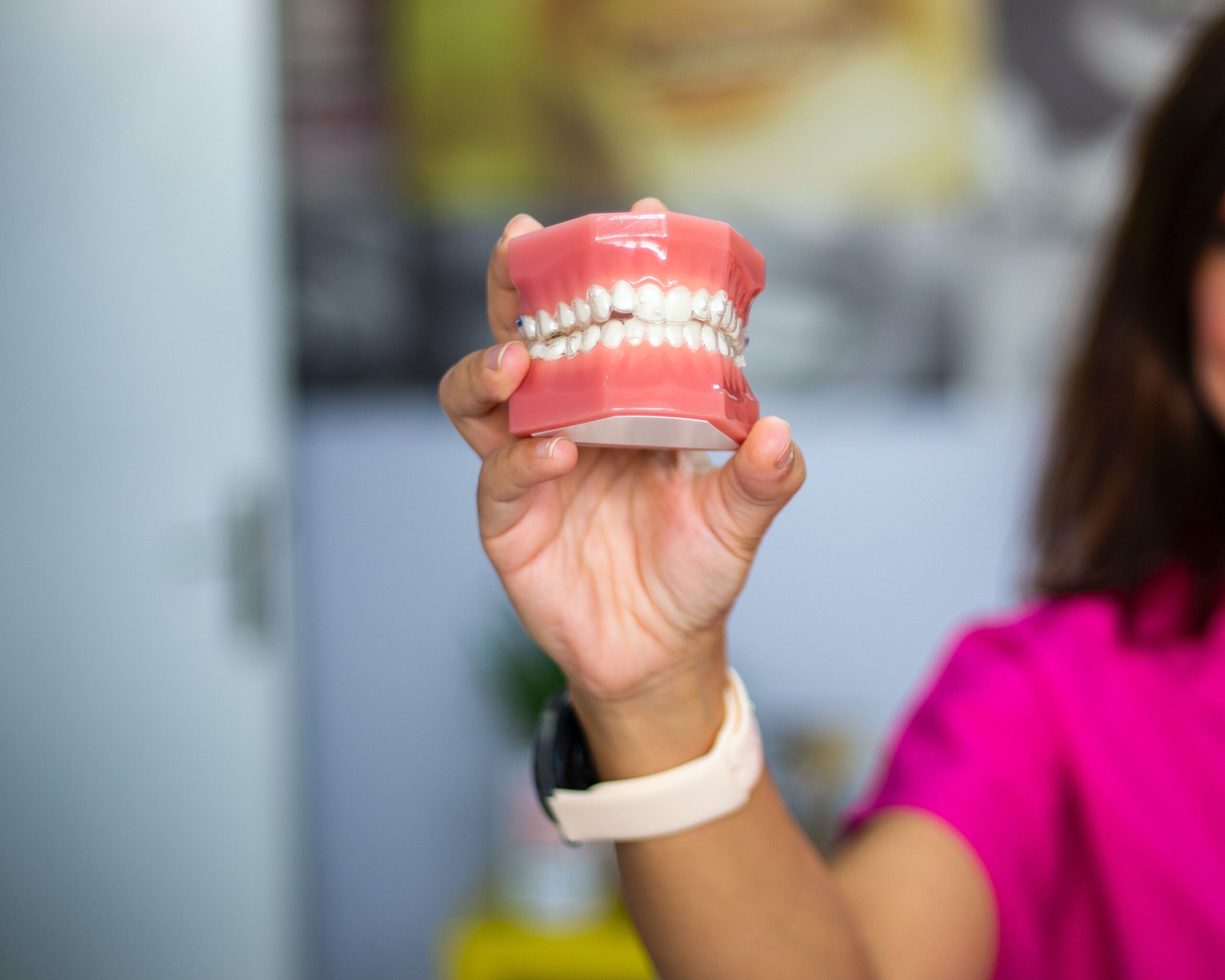
Many people assume that straight teeth are purely about aesthetics and photo-ready smiles. However, the way upper and lower teeth come together plays a massive role in overall physical comfort throughout the day. When the jaw sits out of alignment, simple actions like chewing lunch or talking during a work meeting can put hidden stress on surrounding muscles.
An improper bite often causes the jaw joint and attached muscles to work twice as hard just to close the mouth properly. Over time, that constant muscular strain can trigger unexpected aches in the neck, shoulders, and head. Correcting those underlying structural issues brings long-lasting physical relief that goes far beyond cosmetic appearance.
Recognizing the Early Signs of Bite Strain
A misaligned bite rarely stays quiet, as the body usually sends clear signals when something is off. Many individuals wake up with tight jaw muscles or dull headaches without realizing their teeth are the actual culprit. Clenching or grinding during sleep is a common reaction when the jaw cannot find a natural resting position.
Eating certain tough or chewy foods might also cause quick fatigue in the facial muscles. Ignoring these early warning signs allows minor joint irritation to gradually turn into chronic facial pain over time.
Seeking evaluation from a skilled dentist can help catch these subtle issues before they disrupt daily routines. Taking early action prevents long-term discomfort while restoring natural ease to everyday movements like chewing and speaking.
Relieving Chronic Headaches and Facial Pain
Frequent tension headaches are one of the most frustrating side effects of an uneven bite, occurring when teeth fail to fit together smoothly and cause inflammation in the temporomandibular joint near the ears. That deep joint inflammation easily radiates upward into the temples to create persistent pressure, but realigning the bite distributes chewing forces evenly across the entire arch of teeth. Once the jaw muscles stop overcompensating, the constant muscular tension dissolves completely, allowing many patients to notice a dramatic drop in daily headaches almost immediately after completing proper bite adjustments.
Improving Digestion and Chewing Efficiency
Chewing serves as the very first step in a healthy digestive process. When an uneven bite prevents teeth from meeting correctly, breaking down tough meats or crisp vegetables becomes surprisingly difficult. People often resort to swallowing larger pieces of food, which places extra strain on the stomach and intestines.
Proper alignment restores full chewing power so every meal breaks down efficiently without extra effort. Food digests much smoother when the mouth does its job effectively from the start. Taking the extra work off the stomach helps prevent uncomfortable bloating and sluggish digestion after eating.
Protecting Teeth From Unnecessary Wear
An unbalanced bite acts like a misaligned tire on a car, causing uneven wear and tear over time. Certain teeth end up absorbing far more pressure than they were ever designed to handle during normal chewing. That uneven force can chip enamel, crack outer surfaces, or make teeth sensitive to cold drinks. Without timely intervention, this structural stress often leads to extensive dental repairs down the road.
Straightening the bite shields natural enamel from premature breakdown and costly damage. Balanced pressure ensures every tooth shares the workload equally during daily meals. Protecting that protective outer layer of enamel preserves healthy teeth for decades of comfortable use.
Reclaiming Daily Comfort and Well-Being
Living with constant jaw tension or unexplained facial aches takes a heavy toll on daily energy, but resolving structural bite issues releases stored physical strain so individuals can navigate their days without lingering pain. Simple pleasures like enjoying a favorite meal or laughing with friends become completely stress-free again once modern dental care restores natural harmony to the jaw. Ultimately, fixing an uneven bite represents a meaningful investment in long-term health and personal comfort, empowering people to live fully without physical discomfort holding them back.
