



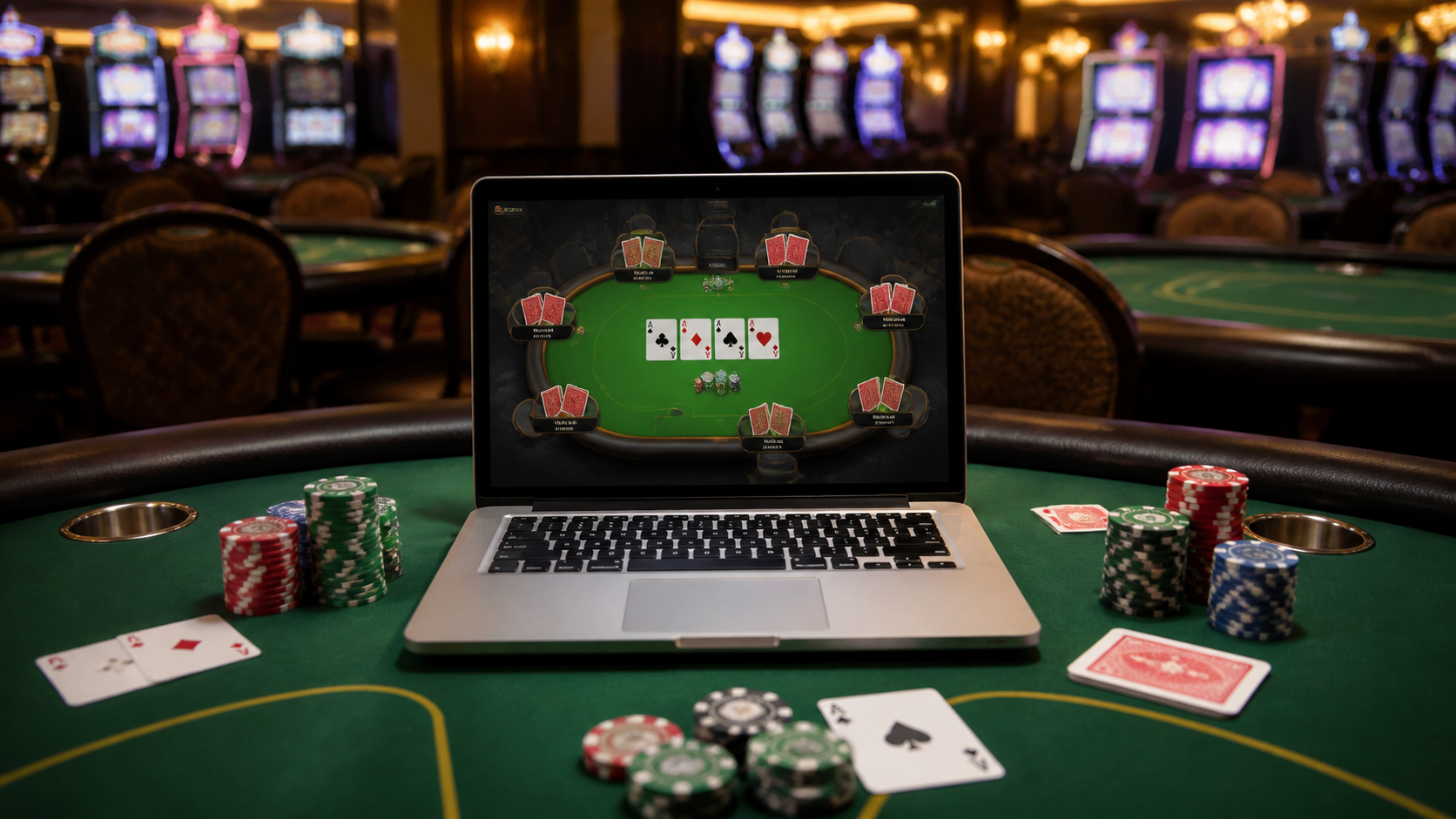
Texas poker online has become one of the most approachable ways to learn, practice, and enjoy poker without needing to sit at a physical table. For many players, the appeal is not only convenience but also the chance to study the game at a comfortable pace, revisit hands, and build better habits through repetition. Still, the online version of Texas Hold’em brings its own rhythm, pace, and decision-making demands, so it helps to approach it with a clear plan rather than casual guesswork.
Whether someone is exploring poker for the first time or returning after a break, understanding how online tables work can make the experience more rewarding. The game may look familiar on the surface, but the environment changes how quickly hands move, how much information is available, and how easy it is to make rushed decisions. A thoughtful approach can improve both confidence and enjoyment.
Understanding the Basics of Online Texas Hold’em
At its core, Texas Hold’em follows the same familiar structure online as it does in person. Each player receives two private cards, and five community cards are dealt in stages. The goal is to make the best five-card hand using any combination of those cards. What changes online is the pace and the way players interact with the table. There is less physical presence to read, but there is often more hand volume, which means decisions come faster and patterns can appear more quickly.
For new players, that pace can be both helpful and challenging. It is helpful because mistakes can be reviewed more easily and the game can be learned through repeated exposure. It is challenging because time pressure can push people into calling too often, chasing weak hands, or missing the importance of position. Before focusing on advanced strategy, it is worth becoming comfortable with the hand rankings, betting rounds, and basic table flow.
Online poker also rewards consistency. A player who understands the fundamentals tends to make steadier choices than someone who depends on instinct alone. Even simple habits, such as noticing when a hand is strong enough to continue and when it should be folded, can make a meaningful difference over time.
Choosing Tables and Reading the Environment
One of the biggest advantages of online play is that players can choose from different table types and pacing styles. Some tables are faster and more aggressive, while others are calmer and better suited to learning. The choice matters because a table that fits a player’s experience level can create a smoother and less stressful session.
It also helps to think about the table as a living environment rather than a fixed setting. Players bring different habits, and those habits shape the action. Some tables see frequent raises and re-raises, while others involve more passive play and more multiway pots. Paying attention to these patterns gives a player useful context for decision-making. The goal is not to memorize opponents, but to understand the general tone of the table and adjust accordingly.
When assessing where to play, consider the following:
- How quickly the table moves and whether that pace feels manageable
- How many players typically see each flop
- Whether betting tends to be cautious or aggressive
- How comfortable the interface feels during fast decisions
- Whether the table gives enough room to think through each hand
These practical details may sound simple, but they strongly affect the quality of the experience. A player who is comfortable with the pace is less likely to make avoidable errors and more likely to stay focused for longer sessions.
Building Strong Habits for Better Decisions
Good poker habits matter online because the game can move quickly enough to reward discipline and punish impatience. Players who develop a few steady routines often find it easier to make clear decisions even in tough spots. One of the most valuable habits is to think in terms of ranges rather than only in terms of a single hand. Instead of asking, “Do I have the best hand right now?” it is often more useful to ask what kinds of hands an opponent could reasonably have and how your own hand performs against that group.
Position is another habit that deserves attention. Acting later in a hand gives more information and can make decision-making simpler. Because of that, players in later position often have more flexibility, while early-position play usually requires a tighter approach. This does not mean every hand must be played cautiously, but it does mean that table position should influence how much risk feels justified.
Bankroll discipline is also important, even for casual play. Online sessions can become unpredictable, and it is easy to overestimate a short-term result. A steady approach, with clear limits for time and stakes, helps keep the experience enjoyable. If a session starts to feel emotionally charged, taking a break is often better than trying to force recovery in the middle of a run of bad hands.
Common mistakes to avoid
Several mistakes show up again and again in online poker. The most common is playing too many hands simply because the game is available and action arrives quickly. Another is ignoring position and entering pots without a clear plan. A third is chasing losses by increasing stakes or becoming overly aggressive after a few setbacks. These habits can make even a skilled player look erratic.
It also helps to avoid overvaluing a single strong-looking hand. Online poker often creates situations where a top pair or an overpair feels powerful, but the board texture and betting history may tell a more complicated story. The better habit is to ask whether the hand remains strong against the kinds of holdings that realistically continue betting.
Building a review routine
Players who want to improve usually benefit from reviewing difficult hands after the session rather than during the heat of play. A quick note about a confusing decision can reveal patterns over time: too many loose calls, too many cautious folds, or repeated struggles in the blinds. This kind of self-review does not need to be formal to be useful. Even a short reflection can turn a casual session into a learning opportunity.
How Strategy Changes in the Online Setting
Strategy in online poker is shaped by the speed of the game and the relative lack of physical tells. Because players cannot rely on body language, they tend to use betting patterns, timing, and table context more heavily. That does not make online poker less skillful; it simply shifts the kind of information that matters most.
The faster pace also means that aggression can carry more weight. Well-timed bets and raises often help define the hand and create clearer decisions later. At the same time, constant aggression without purpose can become predictable. A balanced strategy usually works better than one that tries to force action in every spot. Players should be willing to apply pressure when the situation supports it, but also willing to check, call, or fold when the board and betting suggest caution.
This is also where a resource like texas poker online can be useful as a reference point for players who want to understand the format more fully before spending real time at the tables. A practical guide can help frame the basics, but actual improvement still comes from making measured decisions and learning from each session.
Another strategic difference is the impact of sample size. Online play often gives players many more hands in a shorter period, which can create larger swings. A few good or bad outcomes do not necessarily reflect the quality of a decision. This is one reason long-term thinking matters. A good hand can lose and a weak hand can win; the key is making decisions that hold up over time rather than reacting only to the last result.
Responsible Play and Long-Term Enjoyment
The most sustainable way to approach poker online is to treat it as a game of decisions rather than a shortcut to excitement. That mindset encourages patience, self-control, and a more realistic view of results. Players who set limits on time and stakes usually find it easier to enjoy the game without letting it spill into frustration. Short, focused sessions often produce better concentration than long, unfocused ones.
It also helps to know when to stop. If attention is fading, emotions are rising, or decisions are becoming rushed, continuing to play is rarely the smartest move. The value of poker comes not only from winning pots but also from the challenge of making thoughtful choices under pressure. When the game is approached with that attitude, it becomes easier to keep it engaging and manageable.
For newer players, responsible play also includes accepting that progress is gradual. Understanding pot odds, reading table dynamics, and recognizing patterns all improve through repetition. There is no need to rush mastery. A patient approach leaves room for better habits to form naturally and makes the learning curve feel less intimidating.
Final Thoughts on Playing Online Poker Well
Texas Hold’em online can be a rewarding format because it combines familiar poker fundamentals with a faster, more flexible environment. Players who pay attention to table pace, position, hand selection, and emotional control are usually better prepared to handle the game’s swings and opportunities. The online setting may remove some of the social cues found in live poker, but it also opens the door to more practice and clearer self-review.
The most useful mindset is a steady one. Focus on making sound decisions, learning from each session, and choosing games that match your comfort level. Over time, that approach tends to build both confidence and a deeper understanding of the game, which is often the real reward of playing well.
