



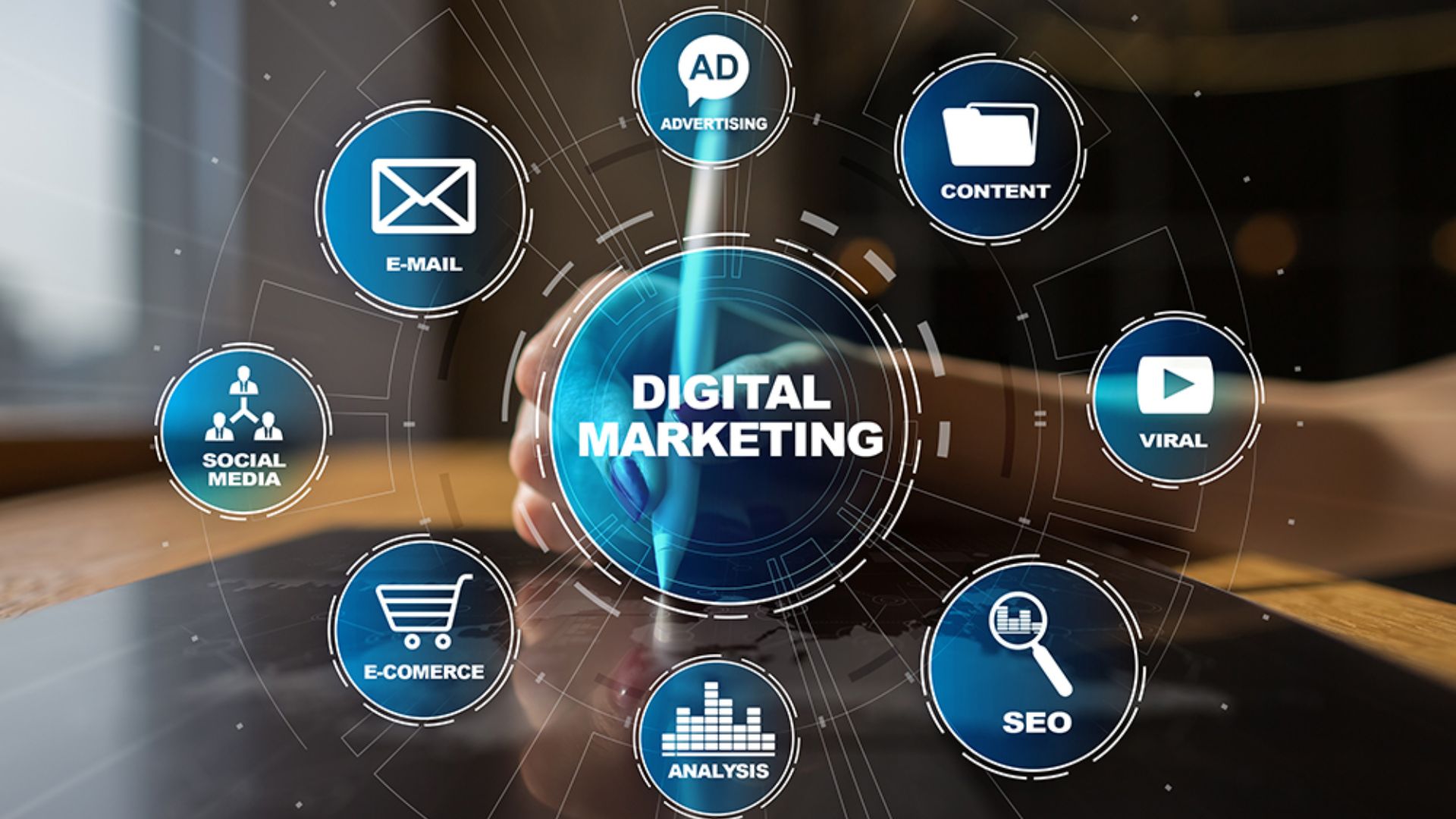
Website traffic continues to evolve as consumer behavior, search engine algorithms, and digital technologies change. Businesses that rely on outdated traffic strategies often struggle to maintain visibility and conversions. Modern digital marketers must understand emerging trends to stay competitive, attract qualified audiences, and maximize their return on investment. Monitoring these developments allows brands to adjust their marketing efforts before competitors gain an advantage.
The Shift Toward Quality Over Quantity
One of the biggest changes in digital marketing is the growing importance of high-quality traffic instead of simply increasing visitor numbers. Search engines and analytics platforms now measure engagement signals such as time spent on a page, bounce rates, and user interactions. A smaller audience that actively engages with content is far more valuable than thousands of visitors who leave immediately.
Businesses are focusing on attracting users who genuinely need their products or services. This strategy improves conversion rates, customer satisfaction, and long-term business growth.
Artificial Intelligence Is Transforming Traffic Generation
Artificial intelligence has become a powerful tool for digital marketers. AI helps identify audience preferences, predict customer behavior, automate content recommendations, and optimize advertising campaigns. These capabilities allow businesses to deliver personalized experiences that encourage visitors to stay longer and interact more with websites.
As AI technology continues to improve, marketers can make faster, data-driven decisions that increase website performance and marketing efficiency.
Search Intent Is More Important Than Keywords Alone
Modern search engines are increasingly focused on understanding user intent instead of matching exact keyword phrases. Content that directly answers user questions, solves problems, and provides valuable information performs better than pages created solely for keyword optimization.
Digital marketers should research audience needs carefully and produce content that aligns with every stage of the customer journey, from awareness to purchase.
Mobile-First Experiences Continue to Dominate
Most internet users now browse websites using smartphones and tablets. This trend has made mobile optimization an essential part of every digital marketing strategy. Fast loading speeds, responsive layouts, and simple navigation help create positive user experiences that encourage visitors to remain on the site.
A mobile-friendly website also improves search engine visibility, making it easier for potential customers to discover your business.
Video Content Drives Higher Engagement
Video has become one of the fastest-growing sources of website traffic. Short educational videos, product demonstrations, customer testimonials, and live broadcasts capture attention more effectively than text alone.
Adding relevant video content to websites increases user engagement, improves information retention, and encourages visitors to explore additional pages, strengthening overall website performance.
First-Party Data Is Becoming More Valuable
As privacy regulations evolve and third-party cookies become less reliable, businesses are investing in first-party data collection. Email subscriptions, customer accounts, surveys, and loyalty programs help organizations gather valuable insights directly from their audiences.
Using this information responsibly allows marketers to create personalized campaigns while respecting user privacy and building stronger customer relationships.
The Growing Role of Paid Traffic Strategies
Organic traffic remains important, but many businesses also invest in paid campaigns to accelerate growth. When combined with strong content, optimized landing pages, and audience targeting, marketers may choose to buy website visitors as part of a broader digital marketing strategy designed to increase exposure, test campaigns, and attract potential customers who are likely to engage with their brand.
User Experience Directly Impacts Traffic Performance
Search engines increasingly reward websites that provide excellent user experiences. Clean website design, intuitive navigation, fast loading pages, accessible content, and secure browsing all contribute to higher rankings and better visitor retention.
A positive user experience not only increases traffic but also improves conversion rates and customer trust over time.
Data Analytics Drives Smarter Marketing Decisions
Successful marketers rely on analytics to understand where visitors come from, how they interact with content, and what influences conversions. Regular analysis helps identify high-performing channels, optimize campaigns, and eliminate ineffective marketing efforts.
By continuously measuring performance, businesses can adapt quickly to changing consumer behaviors and maintain sustainable traffic growth.
Conclusion
Website traffic trends continue to evolve as technology, consumer expectations, and search engines become more sophisticated. Digital marketers who prioritize user experience, leverage artificial intelligence, create valuable content, optimize for mobile users, and make informed decisions through analytics will remain ahead of the competition. Staying aware of these trends enables businesses to attract the right audience, build stronger customer relationships, and achieve consistent long-term growth in an increasingly competitive digital landscape.
